Why We Removed Three Statistics From Our Homepage

For years the front page of this site opened with three numbers. Fifty per cent of men and women cheat at least once in their marriage. People who suspect their partner is cheating are right 85% of the time. Seventy per cent of married women and 54% of married men never find out about their spouse’s infidelity.

They are gone. We went looking for the studies behind them and could not find any. Not a weak study, not a dated one. Nothing at all.

Where those numbers actually came from

They came from other websites. That is the whole provenance. Infidelity statistics circulate around the private investigation industry the way a good story circulates around a pub, and each site that repeats a figure lends it a little more weight to the next site that copies it. Eventually a number that nobody measured is on a hundred pages and looks like common knowledge.

The 85% figure is the clearest example. Think about what it would take to measure it. You would need a large sample of people who suspected their partner of cheating, a reliable way of establishing whether each partner was in fact cheating, and no selection bias in who agreed to take part. No such study exists in Australia or anywhere else. The number is a guess that hardened into a fact through repetition.

The other two are the same. A range of 50% for lifetime infidelity is roughly double the highest credible measured figure. And 70% of married women being unaware of a partner’s infidelity is, by definition, not something a survey can establish, because the people in that category are the ones who would answer no.

What we put in their place

Two statements, both linked to the research behind them.

The first is the closest thing to a solid measured infidelity figure that exists in the English-speaking world. A US Institute for Family Studies analysis of General Social Survey data found that 20% of married men and 13% of married women reported having sex with someone other than their spouse while married. The General Social Survey is a long-running, properly sampled American survey, and the figure is self-reported, which almost certainly makes it an undercount. We say it is US data, because it is.

The second is Australian. In a Relationships Australia survey of around 1,800 visitors to its website, most respondents said emotional disconnection is the main cause of infidelity. Note what that survey measures and what it does not. It asks people about causes and perceptions. It does not measure how many Australians have actually cheated, which is why we do not quote a percentage from it.

The Australian number does not exist

This is the part most sites get wrong. There is no Australian equivalent of the Institute for Family Studies figure. No properly sampled national study has measured how many Australians have been unfaithful. So when you see “40 to 70% of Australian marriages experience an affair”, or “66% of Australian couples”, or any other figure attributed to Australian marriages, one of two things has happened. Either an overseas statistic has been relabelled as Australian, or a perception survey has been misread as a behavioural one.

We would rather say we do not know than quote a number we cannot stand behind.

Our own results are our own data

One number on our sites is ours to quote, and that is our success rate. Across the group we describe it as around 95%, and we always say what it rests on: our own client outcomes over 20 years. It is not a published study and we do not present it as one.

It is also worth being precise about what it counts. A successful matter is one where the client got a clear answer, and sometimes the clear answer is that a partner has been faithful the whole time. That is a good outcome, and it is included. We do not claim that 95% of our clients discover an affair, because that would be a different claim and not one the evidence supports.

Why bother

Partly because search engines and AI systems increasingly cross-check claims against their sources, and a page full of unsourced percentages is a liability rather than an asset. But mostly because of who reads these pages. People land here at one of the worst points in their life, trying to work out whether their instincts are right. Feeding them an invented statistic to make them feel less alone is not a kindness. Telling them what is actually known, and being honest about what is not, is.

If you are at that point now, the useful thing is not a percentage. It is a clear answer about your own situation. That is what we do.

How to Track a Person Using Modern Tools and Apps

Introduction
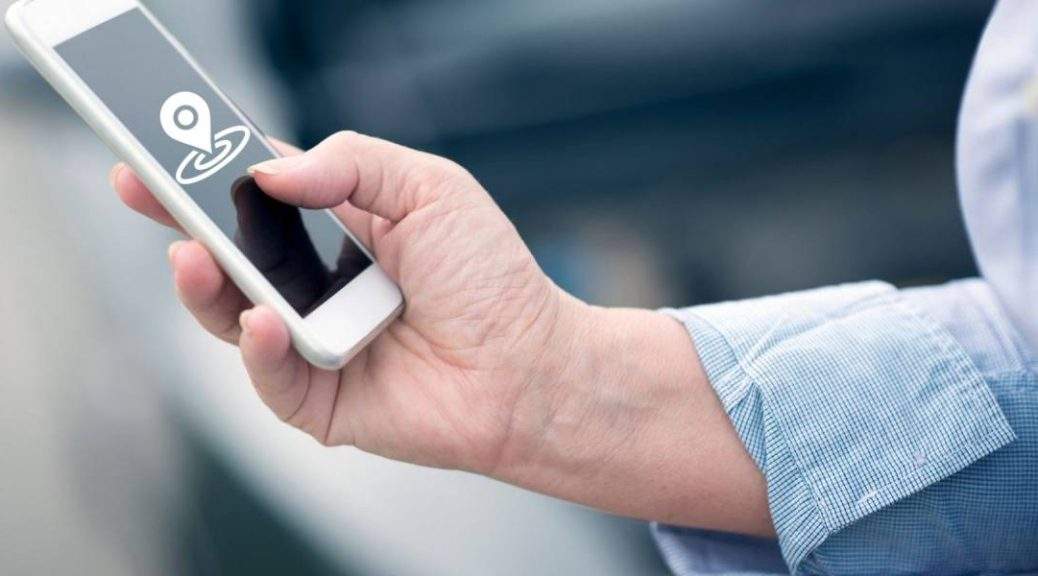
A mobile phone displaying a tracking app with a map and location pin on its screen, set against the backdrop of a dimly lit private investigator's office.

In today’s tech-driven world, tracking a person using modern tools and apps has become more accessible and nuanced, serving various needs from personal safety to business operations. This guide provides an in-depth look at these technologies, emphasizing responsible usage. We also discuss the vital role of private investigators and the advantages of mobile tracking and monitoring software.

Understanding Digital Footprints: Online Tracking

In the realm of tracking, digital footprints are foundational. Every online interaction and activity leaves a trace, forming a digital footprint that can be invaluable for tracking purposes.

Social Media Analysis

Social media platforms are a goldmine of information for tracking. Users often share their locations, activities, and plans, either directly through check-ins and posts or indirectly through photos and status updates. Analyzing these can provide insights into a person’s habits, preferences, and current whereabouts. For instance, geo-tagged photos can reveal a person’s location at a specific time, while routine posts can indicate their daily patterns.

Email and Communication Trails

Emails are not just about the content; they can also be a significant source of tracking data. Many email services embed metadata that can reveal the sender’s location. Furthermore, analyzing communication patterns can provide insights into a person’s network, habits, and preferences. This information can be crucial in investigations, be it for personal, legal, or business purposes.

GPS and Mobile Tracking Technology

GPS technology has revolutionized tracking, offering precise and real-time location data.

GPS Devices

Dedicated GPS devices provide accurate location tracking and can be used in various scenarios, from vehicle tracking to personal safety devices. Their discreet nature allows for covert tracking when necessary, making them invaluable in sensitive situations like monitoring valuable assets or individuals.

Smartphone Tracking Apps

Smartphones, equipped with GPS, have opened up a new dimension in tracking. Apps designed for location sharing, parental control, or personal safety offer various degrees of tracking capabilities. Some apps provide real-time location sharing with family and friends, while others are designed for more discrete monitoring, offering features like location history, geofencing, and alerts.

Innovative Tracking Technologies: Beyond Basics

Emerging technologies are taking tracking beyond traditional methods, offering enhanced capabilities and broader applications.

Drones and Aerial Surveillance

Drones equipped with cameras provide a unique vantage point for tracking, especially in areas where ground access is difficult. They are increasingly used in search and rescue operations, wildlife monitoring, and even in agricultural land management.

Biometric Tracking

This technology uses biological markers like facial recognition, fingerprints, and even gait analysis for tracking and identification. It’s becoming more prevalent in security, law enforcement, and even in consumer electronics for authentication purposes.

The Benefits of Mobile Tracking and Monitoring Software

Mobile tracking and monitoring software have become essential tools in today’s world, offering a blend of convenience, real-time data, and versatile features.

  • Personal Safety and Business Operations: These applications are critical for personal safety, allowing individuals to share their location with loved ones. For businesses, they provide insights into field operations, helping in resource allocation and productivity enhancement.
  • Features Like Geofencing and Speed Alerts: Advanced features like geofencing set boundaries for a device’s movement, alerting the user when these are crossed. Speed alerts are useful in monitoring driving habits, particularly for fleet management.

Legal Aspects of Tracking Individuals

Adhering to legal and ethical standards is crucial in tracking to ensure responsible usage.

Domestic Laws in Australia

In Australia, the legal landscape surrounding tracking activities is intricate, emphasizing the need for strict adherence to domestic laws. Whether for personal or business purposes, understanding and complying with these laws is crucial to ensure that tracking practices are both ethical and legal.

International Regulations

For international tracking, it is crucial to understand and comply with global regulations, which can vary significantly from one country to another.

The Benefits of Mobile Tracking and Monitoring Software

Mobile tracking and monitoring software provide real-time location data, essential for personal safety and business operations. They offer convenience and a range of features like geofencing and speed alerts, making them versatile for various tracking needs.

Practical Applications of Tracking Technologies

Safety and Security: For Personal Safety or Monitoring Loved Ones

The use of tracking technologies for safety and security is one of their most valuable applications. This section explores how these tools can be used in various scenarios:

  • Child Safety: Parents can monitor their children’s whereabouts, ensuring they are safe during school hours, after-school activities, or even when at a friend’s house.
  • Elderly Care: For families with elderly members, especially those with conditions like Alzheimer’s, GPS tracking devices can be a lifeline, providing real-time location information and ensuring their safety.
  • Personal Security for Travelers: Individuals traveling to unfamiliar or potentially unsafe areas can use tracking apps to share their location with trusted contacts, providing a safety net in case of emergencies.
  • Emergency Response: In emergency situations, like natural disasters or accidents, tracking technologies can be used by rescue teams to locate and reach individuals in need of assistance more quickly.

Business Applications: In Managing Field Operations and Enhancing Productivity

In the business realm, tracking technologies play a pivotal role in streamlining operations and boosting productivity:

  • Fleet Management: Businesses with a fleet of vehicles use GPS tracking for real-time monitoring, route optimization, and maintenance scheduling. This not only improves efficiency but also helps in reducing operational costs.
  • Employee Monitoring: Companies can track the movement of field employees to ensure they are meeting clients, reaching job sites on time, and effectively managing their work hours.
  • Asset Tracking: Businesses can keep track of valuable assets, machinery, or equipment, minimizing the risk of theft and misplacement.
  • Supply Chain and Logistics: Tracking technologies are crucial in logistics, helping to monitor the movement of goods, optimizing delivery routes, and providing customers with real-time updates about their orders.

The Importance of Hiring a Private Investigator

In scenarios where tracking goes beyond the use of basic tools, the expertise of a private investigator becomes indispensable.

Legal and Ethical Expertise

Private investigators navigate the complex landscape of legal and ethical considerations in tracking. They ensure that all tracking activities comply with the law, avoiding potential legal issues that can arise from unauthorized surveillance.

Advanced Surveillance Skills

Private investigators possess a skill set that extends beyond digital tracking. They are adept at physical surveillance, gathering information through various means, and interpreting data in a way that typical tracking tools cannot.

Comprehensive Investigative Techniques

Beyond surveillance, private investigators employ a range of investigative techniques. This includes background checks, interviewing relevant individuals, and accessing public records that are not readily available to the general public. They can piece together information from various sources to form a comprehensive understanding of the subject’s behavior, movements, and social connections.

Customized Investigation Strategies

Each tracking case is unique, and private investigators understand the importance of customizing their approach to fit the specific requirements of each situation. Whether it’s a case of a missing person, suspicion of infidelity, or a business-related investigation, PIs tailor their methods to ensure the most effective outcome. This bespoke approach ensures that the investigation is not only thorough but also targeted and efficient.

Conclusion

Modern tracking tools and apps, when used responsibly and legally, offer significant benefits for personal and professional use. The inclusion of private investigators in complex situations ensures ethical compliance and professional handling of sensitive data.

Additionally, our company, Sydney Private Investigations, specializes in these areas. We not only provide expert private investigation services but also offer sophisticated mobile tracking and monitoring software. Our solutions are designed to cater to both individual and business needs, ensuring top-notch service and reliability. Whether you need to keep tabs on a loved one for safety reasons, monitor employee movements, or require in-depth investigation services, Sydney Private Investigations is equipped to assist. Contact us to explore how our services can provide you with the peace of mind and the information you need in today’s fast-paced and interconnected world.

Skip Tracing Purposes and Principles

Introduction
Private investigator in conducting surveillance and skip tracing investigation

Skip tracing is an intriguing and essential process used across various industries, from debt collection to private investigation. In this blog post, we will explore the purposes and principles of skip tracing, demystifying its techniques, legality, and applications.

What is Skip Tracing?

At its core, skip tracing is the art of locating a person who is missing or cannot be easily found. This process is often employed by professionals who need to contact someone for legal, financial, or personal reasons. The term ‘skip’ refers to the person being searched for (derived from the phrase “to skip town”), and ‘tracing’ means to locate or track.

Skip Tracing Agency

A skip tracing agency specializes in finding individuals for their clients. These agencies employ experienced professionals who are adept at using various skip tracing techniques.

Skip Tracing Investigation

A skip tracing investigation is a thorough process that starts with compiling all known information about the subject. This includes analyzing past addresses, known associates, and any other relevant details. The tracer then employs various techniques, ranging from database searches to on-the-ground inquiries, to determine the current whereabouts of the individual.

What is It Used For?

Skip tracing serves several purposes across different sectors. In debt recovery, it helps locate debtors who have fallen off the radar. Legal professionals use it to find witnesses or parties in legal proceedings. It’s also employed in the real estate sector to locate property owners, and in personal contexts, it can help find missing persons.

It’s Meaning

Skip tracing is the practice of locating someone who is not readily found using standard search methods. It typically involves piecing together bits of information to track down the individual’s latest location. Skip tracers use a mix of public records, digital tools, and sometimes physical searches to achieve this.

Skip Tracing Techniques

Skip tracing is a methodical process that involves various techniques to locate a person who is missing or hard to find. Here are some of the commonly used techniques, along with explanations for each:

Public Record Searches

Skip tracers often start with public records, which include birth records, marriage licenses, court records, voter registrations, and property records. These documents can provide valuable clues about a person’s whereabouts or lead to other sources of information.

Credit Bureau Reports

Accessing credit reports can yield significant information about a person’s financial transactions, including recent credit applications, loan information, and address details. This data can indicate where a person might currently be living or working.

Database Searches

Professional skip tracers have access to specialized databases that aggregate information from various public and private sources. These databases can provide current and historical addresses, phone numbers, employment information, and even relationships with other individuals.

Social Media and Internet Searches

In today’s digital age, social media platforms and online profiles can be a goldmine of information. Skip tracers use these platforms to gather clues about a person’s location, activities, and contacts. This method requires careful analysis of online behavior patterns, friends’ lists, and geographical tags in posts or pictures.

Surveillance and Field Work

Sometimes,it requires physical surveillance or visiting the last known addresses. This hands-on approach can uncover new information that isn’t available through online or database searches, such as a person’s daily routine or interactions with others.

Interviews and Human Intelligence

Speaking with relatives, friends, neighbors, or colleagues of the person can provide critical insights. These interviews can uncover details not found in public records or databases, such as the subject’s recent behavior or undisclosed plans.

Utility Searches

Checking with utility companies for water, electricity, gas, or telephone services can help in locating a person. If the individual has recently set up or transferred services, this could indicate their current residence.

Professional Networking

Skip tracers often network with other professionals like private investigators, law enforcement officials, or legal professionals. These connections can offer exclusive information and assistance in tracing an individual..

Background Checks

Comprehensive background checks can bring together various pieces of information, providing a more complete picture of the individual’s current situation, past behaviors, and potential whereabouts.

The Legality of Skip Tracing

Anonymous woman consulting with private investigator for skip tracing assistance

One of the crucial aspects of skip tracing is understanding its legality. Is skip tracing legal? Yes, it is legal as long as it is conducted within the boundaries of the law, respecting privacy and data protection regulations.

Tracing in Australia

Tracing in Australia, like in many other countries, is a common practice used by various agencies and individuals. The process adheres to Australian laws and regulations, ensuring ethical and legal compliance.

 Tracing Services

Many agencies offer tracing services. These services are used by businesses and individuals who need to find someone but lack the resources or expertise to do so themselves.

Example: Debt Collection Agencies

In the context of debt collection, skip tracing services are invaluable. Agencies use these services to locate debtors who have defaulted on payments and cannot be found through usual communication channels.

Example: Legal Investigations

Legal professionals often utilize tracing to find witnesses, defendants, or other relevant individuals in legal cases.

Skip Tracing Prices

The cost of skip tracing can vary greatly. Skip tracing prices depend on the complexity of the case, the resources required, and the expertise of the skip tracer.

Skip Tracing Tools

There are various tools used in tracing. These range from public records and databases to more advanced software that can analyze and cross-reference large amounts of data.

  • Public Records: Vital records, court records, and other public documents.
  • Databases: Specialized databases that collate information from multiple sources.
  • Online Resources: Social media and other online platforms can provide valuable clues.

The Role of Private Investigators in Skip Tracing

In many cases, the complexities of skip tracing necessitate the involvement of a professional private investigator. But why exactly should one consider hiring a private investigator for skip tracing?

Expertise and Experience

Private investigators bring a level of expertise and experience that is often unmatched by other professionals. They are trained in the art of information gathering and have a deep understanding of the legal and ethical boundaries within which they must operate. This expertise is particularly crucial in complex cases where the subject may be deliberately evading detection or where the available information is scarce or misleading.

Access to Advanced Tools and Resources

Private investigators have access to advanced skip tracing tools and resources that are not readily available to the public. These include specialized databases, surveillance equipment, and a network of contacts that can provide critical information. This access enables them to gather more comprehensive data, analyze it effectively, and follow leads that might otherwise be inaccessible.

Time and Resource Efficiency

Tracing can be a time-consuming process, requiring hours of research, analysis, and legwork. For businesses or individuals, dedicating this amount of time to finding someone can be impractical and costly. Private investigators, on the other hand, are dedicated to this task, ensuring a more efficient use of time and resources.

Legal Compliance

Navigating the legalities of skip tracing can be challenging, especially when it involves crossing state or national boundaries. Private investigators are knowledgeable about the laws and regulations pertaining to privacy, data protection, and surveillance. Their involvement ensures that the skip tracing process remains compliant with legal standards, thereby minimizing the risk of legal repercussions.

Handling Sensitive Situations

Skip tracing often involves sensitive situations, such as locating a missing family member or a person involved in a legal dispute. Private investigators are skilled in handling these situations with the necessary discretion and sensitivity. Their professional approach ensures that the process is conducted respectfully, maintaining the dignity and privacy of all parties involved.

Conclusion

Understanding the principles and purposes of tracing is crucial for anyone in industries where locating individuals is a part of their job. By employing ethical and effective tracing techniques, professionals can achieve their objectives while adhering to legal standards. The involvement of a private investigator can be particularly beneficial, offering expertise, access to specialized tools, and ensuring compliance with legal and ethical guidelines.

In this context, our company, Sydney Private Investigation, stands ready to assist you with your skip tracing needs. We specialize in providing comprehensive skip tracing services, leveraging our expertise and access to advanced resources to ensure successful outcomes. Whether you are dealing with a legal matter, debt recovery, or personal search, our team of skilled professionals is equipped to handle the complexities of your case. At Triumph Australia, we prioritize discretion, efficiency, and legal compliance, offering tailor-made solutions to meet your specific requirements. Contact us to learn more about how we can assist you in your tracing endeavors, ensuring results that align with your objectives and legal standards.

How to Find Out Who Hired a Private Investigator

Introduction to Who Hired a Private Investigator

 A private investigator, clad in a trench coat and fedora, is discretely taking photographs with a camera. The detective is peeking from behind a wall in a dimly lit alleyway, capturing images of a suspect for a case.

Discovering that a private investigator is digging into your life can be unsettling. You might wonder, “Who has a reason to hire a private investigator  to scrutinize my activities?” In this comprehensive guide, we’ll walk you through the steps to unveil the mystery.

Understanding Private Investigators

Private investigators, often called PIs or private inspectors, are professionals hired for factual investigations, research, surveillance, and collecting evidence. It’s crucial to know what private investigators can legally do, as their actions are bound by law, especially in regions like Australia.

  • What They Do: They conduct various assignments, from personal matters to legal investigations.
  • Skills and Techniques: Private investigators use various skills and techniques, often discreetly, to gather information.

How to Hire a Private Investigator

Knowing who can hire a private investigator is the first step in unraveling the mystery. Almost anyone can hire a PI, including individuals, law firms, and companies.

Is It Legal to Hire a Private Investigator

Yes, it is legal to hire a private investigator, but they must operate within legal boundaries. Understanding these boundaries helps you know your rights and protects you from potential privacy invasion.

How Much Do Private Investigators Cost

The cost of hiring a PI varies based on the complexity of the task and the duration of the investigation. It’s vital to have a clear understanding of the potential expenses involved.

Initial Steps to Take

Discovering that you may be under the scrutiny of a private investigator can be daunting, but taking the proper initial steps is crucial for clarity and peace of mind. Here’s an expanded look at what you should consider:

Gathering Information

Start by meticulously documenting any unusual behavior or occurrences that have led you to believe you are being watched. This could be consistent with unfamiliar faces around your home or workplace, strange vehicles parked nearby, or unexpected friend requests and messages on social media. Pay attention to patterns and timings, which can provide vital clues.

Utilizing Online Resources

The internet is a powerful tool that can aid in your investigation. You can conduct reverse image searches to identify unknown individuals, use online databases to look up suspicious phone numbers, and explore social media to uncover potential connections. Be sure to cover your digital tracks by using private browsing modes and secure your online profiles to prevent further intrusion.

Approaching the Situation

Once you’ve gathered enough information, it’s time to decide on how to approach the situation:

Direct Confrontation

If you’ve identified the investigator or have strong suspicions, consider confronting them directly. While this approach can yield immediate answers, it’s essential to remain calm and collected. A confrontation could escalate the situation or cause the investigator to cease their activities before you uncover the truth.

Seeking Legal Help

If you feel overwhelmed or need help with how to proceed, consulting with a legal professional can provide clarity and guidance. An attorney can help you understand your rights, advise you on the best course of action, and assist in identifying the person who hired the private investigator. They can also take legal action if their privacy rights have been violated.

Securing Your Privacy

In the digital era, your online presence is as significant as your physical one. Here are ways to bolster your privacy:

Use Encrypted Communication Tools

Opt for messaging apps and email services that offer end-to-end encryption to ensure your communications remain confidential. This is especially important when discussing sensitive information or planning your next steps.

Regularly Update Your Privacy Settings on Social Networks

Social media platforms are a goldmine of personal information for private investigators. Regularly review and update your privacy settings to limit who can view your profile and posts. Be wary of accepting friend requests from people you don’t know.

Be Mindful of the Information You Share Online

Consider the potential implications before posting anything online. Even seemingly harmless information can provide valuable clues to a private investigator. Practice restraint and caution, and educate yourself on best practices for online privacy.

Understanding the Legal Landscape

Knowing your legal rights and the legal boundaries private investigators must adhere to. In Australia, for example, there are specific laws and regulations governing the actions of private investigators.

The Ethical Considerations

Private investigations operate in a grey area, balancing obtaining information and respecting individual privacy.

  • Respecting Privacy: Both investigators and the subjects of investigations should uphold privacy standards.
  • Understanding Legal Boundaries: It’s essential for everyone involved to be aware of and adhere to legal boundaries.
  • The Role of Transparency: Transparency can help to mitigate misunderstandings and ensure ethical conduct in private investigations.

Breaking the Chain of Surveillance

When you realize that you are being watched or investigated, it can create a sense of vulnerability and discomfort. Hiring your private investigator can be a strategic move to break this surveillance chain. Your investigator can work to identify the other party’s investigator, understand their motives, and help you regain control of the situation.

Uncovering Motives

Understanding why someone is investigating you is as crucial as knowing who is behind it. A private investigator on your side can dig deeper to uncover the motives behind the surveillance. Are you being investigated for legal reasons, personal vendettas, or corporate competition? Knowing the “why” helps in formulating a response plan.

Legal Protection and Building a Case

If the investigation against you is found to be unjust, invasive, or illegal, having your private investigator can be invaluable in building a legal case. They can gather evidence of unlawful surveillance, harassment, or any other illegal activities, which can then be used to protect your rights and interests in a court of law.

Professional Expertise and Resources

Private investigators can access resources and databases that the average person does not. They also bring extensive experience and expertise in surveillance, research, and information gathering. By hiring a private investigator, you leverage their skills to unravel the mystery efficiently and discreetly.

Peace of Mind and Closure

Living with the nagging thought that someone is prying into your personal life can be stressful. Hiring a private investigator can provide peace of mind by bringing the situation to light. Knowing who is behind the surveillance and understanding their motives can offer closure, allowing you to move forward.

Conclusion to Who Hired a Private Investigator

In conclusion, navigating the complex and often unnerving world of private investigations requires strategic thinking and proactive measures. By hiring a private investigator to reveal who scrutinizes your life and why, you reclaim control, ensuring your privacy and peace of mind. This approach not only helps in understanding and mitigating the current situation but also aids in fortifying your defenses against potential future invasions of privacy.

At Sydney Private Investigations, we understand the intricacies and sensitivities that come with being under surveillance. Our team of experienced and discreet professionals is dedicated to providing top-notch investigative services to uncover the truth and protect your interests. We leverage our extensive resources, expertise, and knowledge of local contexts to deliver results efficiently and confidentially. With Sydney Private Investigations, you can trust that you are in capable hands, and we are committed to ensuring your privacy and security every step of the way.

Spy Listening Device in Australia

Introduction

A close-up view of a spy listening device being discreetly inserted into an ear.

Ever thought of eavesdropping on a conversation or ensuring the safety of your loved ones from a distance? Whether you’re a professional investigator or a curious individual, spy listening devices might pique your interest. You might wonder: What is a spy listening device, and why might I need one? So, let’s dive into this ultimate guide to unravel the mysteries of spy listening devices in Australia.

Overview of Spy Listening Device

When we talk about spy listening devices, we are referring to specialized gadgets that allow users to listen in on conversations or other sounds without being present at the location. These devices often look like regular, everyday items to stay hidden in plain sight.

What is a Spy Listening Device?

A spy listening device is a tool that captures sound from a distance. Due to the clandestine nature of their use, these devices are often designed to be discreet, mimicking the appearance of everyday objects to avoid detection.

 Why Would Someone Need a Spy Listening Device?

Security Purposes

These devices can be used to monitor the safety of family members or protect properties from potential threats. They’re great for keeping an eye (or ear) on your family’s safety. You can also use them to protect your home or office from surprises.

Professional Investigations

In professional investigations, the details can make or break a case. Detectives and private investigators face challenges that require more than just keen observation – they need reliable tools. Spy listening devices have become an integral part of their toolkit. Whether it’s to capture a confession, overhear a clandestine meeting, or simply gather clues discreetly, these devices ensure that investigators don’t miss out on crucial information.

Personal Use

The allure of the unknown is irresistible to many. For some, spy listening devices are a way to quench their curiosity. Imagine being able to hear the chirping of birds from a distance or eavesdrop on nature without disturbing its flow. Then there are the budding detectives, inspired by movies or novels, wanting to try their hand at solving little mysteries around them. For them, these devices are not just tools but a gateway to adventure.

Remember, while these devices can be handy, it’s essential to use them responsibly and within the confines of the law.

Types of Spy Listening Devices

There are two primary categories: wired and wireless. Let’s break them down.

Wired Devices 

When you think of wired spy listening devices, imagine gadgets directly tethered to a recording apparatus.  Interference is a genuine concern in our modern world, filled with countless wireless devices. With wired spy listening tools, this problem is virtually eliminated. There’s no risk of signals from other devices disrupting your recording. Wired devices generally have a reliable power source, like a connection to the primary device or a battery, ensuring consistent operation without unexpected power losses. Examples of Wired Devices:

  •  Button microphones: Hidden inside clothing
  •  Wall microphones: Detect sounds through walls

Wireless Devices

Wireless devices are like stealthy ninjas in the realm of spy-listening gadgets. They’re designed for optimal flexibility and discretion.  Wireless devices aren’t tethered to any physical recording device, unlike their wired counterparts. They work by transmitting audio signals to a remote receiver, sometimes even miles away. This means you can place them virtually anywhere — from a living room shelf to the corner of an office desk — without being restricted by cables. 

With wireless devices, you can discreetly place the device in an optimal listening position without drawing attention. For the user, a significant perk is the ability to move around freely without needing to be near the device. This means you can monitor audio from a safe and inconspicuous distance. Examples of Wireless Devices: 

  • GSM bugs: Utilize mobile networks for broad coverage.
  • Bluetooth bugs: Offer short-range connectivity but are very discreet.
  • Live Listening Device: This incredible device offers many features, making it a standout option. 

Wireless devices provide flexibility and practicality, making them popular among professionals and hobbyists.

Features to Consider 

When you’re thinking of buying a spy listening device, there are some key features to keep in mind:

Battery Life

In the world of spy devices, battery life is paramount. Imagine being in the middle of a critical surveillance task, and your device powers down – not an ideal situation! The duration your device can operate before recharging plays a significant role in its efficiency. A robust battery life ensures you can capture hours, if not days, of audio without constant monitoring or frequent recharging. 

Range

The range defines the breadth of your listening horizon. Essentially, it answers the question: How distant can a conversation be for you to pick it up clearly? This is particularly vital if you’re a professional investigator or if circumstances require you to maintain a considerable distance from the source of the sound. 

Discreteness

Let’s face it: the best spy is the one that goes unnoticed. This holds for spy listening devices as well. You wouldn’t want your equipment to scream, “Hey, I’m a listening device!” It should be tiny enough to remain hidden or designed to mimic everyday objects seamlessly. 

Buying Guide  of Spy Listening Device

A spy engaged in covert surveillance using a sophisticated spy listening device.

Got your checklist ready? Great! Now, let’s guide you on purchasing a suitable device.

 Tips for Purchasing

  •  Check for reviews and ratings.
  •  Ensure the device fits your specific needs.
  •  Don’t sacrifice quality for price.

 Where to Buy

 Why Invest in a Spy Listening Device?

 Buying a spy listening device often stems from a desire to enhance personal or professional security. It can act as an added layer of protection for families, ensuring that loved ones, especially children or the elderly, are safe even when you’re not around. For business owners, such devices can safeguard assets, ensure confidential meetings remain private, or monitor employee productivity in real time. Moreover, journalists and investigators can use these tools to gather critical information discreetly. A spy listening device provides peace of mind, a sense of control, and a way to gather vital insights in various situations. Investing in one ensures you’re always a step ahead, equipped with knowledge others might not have access to.

Conclusion

Spy listening devices are not just pieces of technology; they’re transformative tools that can significantly influence outcomes in personal and professional settings. For detectives, journalists, or even concerned parents, they can serve as invaluable aids, providing insights that might otherwise remain hidden. But as the adage goes, “With great power comes great responsibility.” While these devices offer many advantages, it’s essential to remember their use’s ethical and legal considerations. Australia has its set of laws and regulations concerning surveillance and privacy, and it’s crucial to be aware and respectful of these. 

At Sydney Private Investigations, our expertise isn’t just limited to investigative services. While we pride ourselves on offering top-notch professional investigations, we also understand the importance of having the right tools for the job. That’s why we provide a range of high-quality spy devices tailored to fit various needs. Whether you’re a professional seeking advanced equipment or an individual keen on personal security, our selection promises quality and discretion. Partner with us, and you’re not just buying a device; you’re investing in peace of mind, backed by a team that understands the intricacies of the field.

Spy Recording Device Selection Guide

Introduction

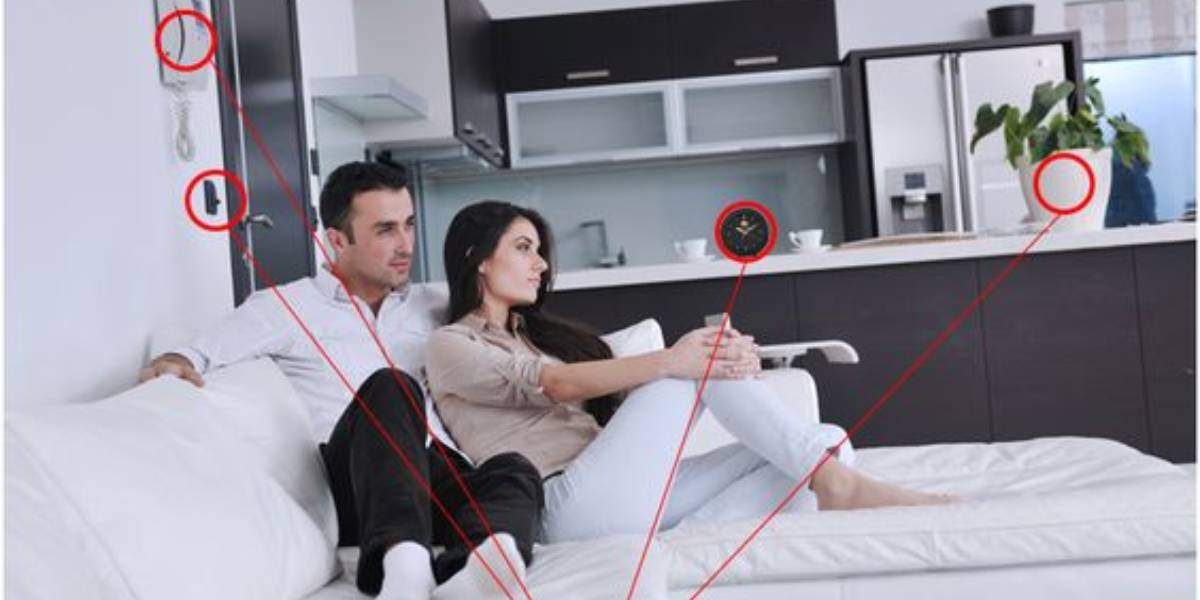
Husband and wife in living room, surrounded by spy recording device.

Whether you’re a private investigator, a journalist conducting undercover research, or simply someone who wants to ensure they’re not missing important information in meetings, a spy recording device can be an invaluable tool. The market is full of various models, each with its strengths and weaknesses, and it can be tough to know which one is the right choice for your needs. In this guide, we’ll walk you through the key considerations to keep in mind when selecting a spy recording device.

Understanding Your Needs 

First things first: you need to understand your specific needs and the environment in which you’ll be using the device. This will help you make an informed decision.

  • Duration of Recording: How long do you need to record at a time? Some devices offer extended battery life, while others may need frequent recharging.
  • Sound Quality: This is critical if you’re using the device for professional purposes. Look for devices with high sound quality and noise reduction capabilities.
  • Discretion: How discreet does your device need to be? If you’re conducting undercover investigations, you’ll need a device that can blend seamlessly into its environment.

Choosing the Right Spy Recording Device

Battery Life

If you need to record long meetings or discussions, you’ll need a device with a long-lasting battery. Some of the top-notch devices offer up to 24 hours of continuous recording on a single charge. Always check the battery specifications before buying a spy recording device.

Sound Quality

One of the biggest challenges when recording covertly is maintaining sound quality. The best spy recording devices come equipped with noise reduction technology and high-quality microphones to capture clear and crisp audio, even in noisy environments.

Discreteness

If your recording needs to be discreet, you’ll want a device that’s easy to hide or that looks like an everyday object. Many modern spy recording devices are designed to look like regular items such as pens, keychains, or USB sticks, making them virtually unnoticeable.

 Additional Features to Consider

Beyond the basics, there are a few other features you might want to consider when choosing a spy recording device.

  • Voice-Activated Recording: This feature starts recording when it detects sound, saving battery life and storage space.
  • Date and Time Stamping: Helpful for keeping track of when each recording was made.
  • Storage Capacity: Look for devices with ample storage if you’re planning to record lengthy sessions.

Whether you’re investigating a case, conducting an interview, or simply wanting to record a conversation, a well-chosen spy recording device can make all the difference. Choose wisely, and happy recording!

How to Choose the Right Device for Your Needs

Choosing the right spy recording device can be a daunting task. With a plethora of options available on the market, it’s crucial to understand your needs, the technicalities of these devices, and how you can select the best one for you. Whether you’re a journalist, private investigator, law enforcement officer, or simply a curious enthusiast, this guide will assist you in making the best choice. An example of a spy recording device that can be a great deal is a camera clock with live streaming that you can connect to your phone through an application that you can access anytime.

Identifying Your Requirements

Before you delve into the nitty-gritty of spy recording devices, it’s vital to know exactly what you need. 

  • Recording Time: Understand how long you’ll need to record in one go. Depending on your requirement, you might need a device with extended battery life or frequent recharging.
  • Sound Clarity: If the purpose is professional, you must prioritize sound quality. Opt for devices offering exceptional sound quality and noise reduction.
  • Stealth: How hidden does your device need to be? For covert operations, you’ll need a device that seamlessly blends into its surroundings.

Choosing the Ideal Spy Recording Device

Personified spy recording device in a lively setting.

Extended Battery Life

For those lengthy meetings or all-night stakeouts, a device with long-lasting battery life is a must. High-end devices can offer a staggering 24 hours or more of continuous recording on a single charge. Don’t forget to verify the battery specifics before making a purchase.

Superior Sound Quality

Maintaining excellent sound quality can be tricky during covert operations. Top-of-the-line spy recording devices come with advanced noise reduction technology and premium microphones to capture clear audio even in bustling environments.

Inconspicuous Design

Stealth is key in covert recording. Devices that are easy to conceal or mimic everyday items like pens, keychains, or USB drives can go unnoticed and are perfect for undercover operations.

Extra Features to Look Out For

Certain additional features can significantly enhance the functionality of your spy recording device:

  • Voice-Activated Recording: This handy feature activates the recording when it detects noise, preserving both battery life and storage space.
  •  Timestamps: Having the date and time for each recording can be incredibly useful for reference.
  •  Ample Storage: Choose devices with large storage capacities if you plan to record long sessions.

 Consider User Reviews and Ratings

Before making a decision, it’s always wise to look at user reviews and ratings. These can give you real-life insights into the device’s performance and reliability. Keep in mind that even the best brands may have products that fall short of expectations.

Budget

While it might be tempting to go for the most expensive device thinking it’s the best, it’s important to consider your budget. Often, you can find devices with excellent features at a reasonable price. Remember, the most expensive doesn’t always mean the best.

The Importance of a Spy Recording Device

Before we wrap things up, let’s learn the reasons why a spy recording device can be a valuable tool. There are numerous situations where discreet recording is essential.

For instance, journalists often find themselves in situations where they need to record conversations without attracting attention. A spy recording device allows them to do so, enabling them to focus on the conversation rather than worrying about taking notes.

Similarly, private investigators and law enforcement officers can use these devices to gather evidence without alerting the person they’re investigating. In the corporate world, these devices can be handy during important meetings or negotiations where every detail matters. Even for personal use, a spy recording device can be invaluable. You might want to record a lecture to review later, capture memories without being obtrusive, or gather evidence of harassment or bullying.

Conclusion

In conclusion, choosing the perfect spy recording device comes down to understanding your specific needs and matching them with the right product. Consider factors like battery life, sound quality, discretion, additional features, user reviews, and your budget. A well-chosen device can provide you with accurate and reliable recordings, making it a vital tool in your arsenal.

At Sydney Private Investigations, we understand the significance of thorough surveillance. As experts in private investigations, we have been delivering professional, reliable, and discreet services to our clients for years. We believe that accurate information is the cornerstone of any investigation, and the right tools are crucial in obtaining that information. That’s why, in addition to our investigative services, we also offer a wide range of high-quality spy devices, including top-of-the-line spy recording devices.

Recognizing the Signs of Financial Infidelity

Introduction

A married couple looking distressed on the couch while examining finances with a calculator, hinting at financial infidelity issues.

Financial trust forms the bedrock of healthy relationships. However, financial infidelity – hiding or lying about financial matters – can quickly destabilize this foundation. Recognizing the signs of such deception is vital to maintaining financial and emotional stability in relationships. Let’s learn more about how to spot the red flags of economic deceit.

What is Financial Infidelity

Financial Infidelity is no different from other forms of betrayal. Just as one would hide an affair, financial infidelity involves concealing monetary matters. However, the implications can stretch beyond trust issues, affecting the very financial fabric of a relationship.

Like many other countries, the prevalence in Australia isn’t immune to this issue. With the mounting societal pressures and easy access to financial instruments, financial deceit is becoming all too common. According to a piece in The Guardian, many couples find monetary deceit even more hurtful than a physical affair.

Causes of Financial Infidelity 

To combat an issue, one must first understand its root causes. When it comes to financial deceit, multiple factors play a part:

  • Societal Pressures: Living in a world that often equates value with material worth, many feel pressured to spend beyond their means.
  • Personal Financial Struggles: Sometimes, it’s about personal battles – be it debt, bad financial decisions, or simply the fear of judgment. 
  • Relationship Dynamics: Money discussions can be tricky, primarily if a power imbalance or differing financial goals exist. 

Consequences of Financial Deceit 

Financial dishonesty carries more than emotional repercussions. It often translates to tangible financial repercussions that strain a relationship’s resources.

Emotional Strain

Trust, once lost, is hard to regain. A partner’s financial deceit can sow distrust, leading to relationship breakdowns. As The Guardian aptly puts it, financial infidelity can sometimes hurt more than an affair, leading to heightened anxiety and distrust.

Financial Ramifications Money hidden or lied about can have dire consequences:

  • Unpaid bills lead to debt accumulation
  •  Assets not accounted for during crucial decisions
  • Potential legal implications during separations or financial audits

Recognizing Signs of Financial Infidelity 

Awareness is the first step toward resolution. Here are some signs to look out for:

Hidden Purchases

Coming across unexplained receipts or noticing new assets without prior discussion can cause concern. It might be an innocent oversight or a deliberate act of keeping certain expenses hidden. Either way, such discoveries should be addressed openly to understand the motive behind the secrecy.

Secret Bank Accounts

Discovering a bank statement, a notification from a previously unknown account, or stumbling upon hidden credit cards can be unsettling. Such clandestine financial moves typically indicate a lack of transparency and may hint at deeper economic issues or deceit.

 Altered Financial Documents

If you notice inconsistencies in your financial paperwork, missing documents, or any signs that suggest tampering, it’s a red flag. Altered financial documents can indicate an attempt to hide specific monetary actions or the state of one’s finances.

In a relationship, financial honesty is just as crucial as emotional trust. It’s imperative to watch for these signs and address concerns head-on, ensuring both partners are on the same financial page. 

Combatting Financial Infidelity Facing the issue head-on is the best approach. Here’s how:

Open Communication 

Even when challenging, starting a dialogue about finances is vital for building and maintaining trust in a relationship. Money matters can often be taboo or sensitive for many couples, but avoiding it can lead to misunderstandings and secrets. By initiating regular conversations about both individual and shared financial goals, expenses, and any concerns, couples can build a foundation of financial transparency. This minimizes the likelihood of financial secrets and fosters a sense of collective responsibility and partnership in managing money.

Seek External Help

At times, seeking external assistance can be beneficial. Financial counseling or therapy can provide an unbiased perspective, offering couples tools and strategies to understand each other’s financial outlook, address any underlying issues, and chart a path forward. With the guidance of a trained professional, couples can learn to navigate financial challenges together, strengthening their monetary and emotional bond. Communication and transparency are key to preventing and resolving financial infidelity.

Financial Infidelity: Beyond the Monetary Value

 While at its core, financial infidelity revolves around concealing money or assets, the true gravity of such deceit extends far beyond dollar signs. When partners aren’t honest about their financial habits, it often unveils deeper underlying issues. 

The Psychology Behind Financial Infidelity
A glimpse into the weight of financial infidelity borne from the dice and cards.

Man in distress surrounded by gambling paraphernalia, illustrating the dark side of financial infidelity tied to gambling debts.

 Ever wondered why some people resort to financial infidelity? Let’s dig down  into the human psyche:

  • The Need for Independence: Some individuals have “secret money” or a hidden account as their safety net or escape route. It gives them a sense of independence, especially if they feel financially confined or controlled in the relationship.
  • Fear of Judgement: No one likes being judged. Many hide financial missteps or poor decisions out of fear of disappointment or being judged by their partner.
  • The Thrill of the Secret: Believe it or not, some people get a rush out of keeping secrets. The sheer thrill of having a secret stash or making clandestine purchases can be exhilarating for some. However, sometimes they will hide their expenses for they use it for cheating or even gambling.

The Digital Age and Financial Infidelity 

Modern technology, enriching our lives with comfort and convenience, has a hidden edge that has implications for relationships. With the rise of the digital era, committing financial infidelity has inadvertently become more accessible:

Digital Footprints

Online shopping, e-wallets, and digital banking are a double-edged sword. While they have greatly simplified transactions and brought the world to our fingertips, they have also created avenues to hide financial activities. These hidden transactions can be carried out with just a click of a button, leading to unaccounted purchases or transfers that could be symptoms of financial infidelity.

Cryptocurrencies

The world of digital currencies like Bitcoin has brought an entirely new dimension to personal finance. Cryptocurrencies, decentralized and often conducted under pseudonyms, have made tracking financial transactions a real challenge. This lack of transparency offers a unique opportunity for those inclined to hide assets from their partners, making financial infidelity even more complex to uncover.

Rebuilding Trust After Financial Infidelity

Recognizing and confronting financial deceit is one thing, but how does one rebuild the lost trust?

  • Transparency is Key: Both partners should have access to all financial accounts, statements, and passwords.
  • Joint Financial Goals: Setting shared financial goals can steer the relationship towards collective financial harmony.
  • Consistent Check-ins: Regular financial “date nights” where partners discuss their finances can be a preventive measure against future deceit.
  • Educating Together: Attending financial literacy workshops or seminars as a couple can foster economic unity and understanding. 

The Role of Private Investigators in Unearthing Financial Infidelity

In cases where suspicions of financial infidelity persist, or direct conversations yield no clarity, hiring a private investigator might be the prudent next step. A trained eye can unearth what’s buried deep:

Expertise in Financial Tracking

Private investigators possess the skills and tools to trace hidden assets, undisclosed bank accounts, and covert financial dealings that might be difficult for the average person to discover. They can also investigate online through social media and online reports to find hints about the expenses.

Discreet Investigations

One of the advantages of hiring a professional is their ability to conduct investigations discreetly. This ensures the relationship doesn’t suffer undue strain unless tangible evidence is found.

Corroborating Suspicions

Sometimes, it’s not just about unveiling hidden assets but also about validating one’s suspicions. Knowing the truth, whether it confirms or dispels doubts, can offer peace of mind.

Legal Ramifications

In situations that might lead to legal disputes or divorce, evidence gathered by a private investigator can be invaluable. Their findings can provide a solid foundation for legal proceedings, protecting one’s financial interests.

Conclusion

Recognizing the signs of financial infidelity is crucial to safeguarding a relationship’s emotional and financial health. By understanding the causes, recognizing the symptoms, and taking proactive steps, couples can build a trust-filled, transparent financial future. While it’s always hoped that open dialogue can resolve issues, there are scenarios where professional intervention becomes necessary. In the intricate dance of financial trust, a private investigator can shine a light on the shadows, ensuring that the truth comes to the fore, no matter how concealed.

If you’re seeking experts in the field, consider contacting Spousebusters. Our team has a proven track record and specializes in handling sensitive matters, particularly those involving spouses. For a broader spectrum of investigative services, our sister company, Sydney Private Investigations, offers comprehensive solutions tailored to individual needs. We’re committed to delivering the truth with discretion, professionalism, and expertise.

Personal GPS Tracker Its Role in Infidelity Investigations

Introduction

Woman holding a personal GPS tracker and checking her phone.

When the suspicion of infidelity lingers, it can cast a dark shadow over a relationship. Proving or disproving these doubts is crucial to either healing or moving on. A tool that’s gaining popularity in such investigations is the personal GPS tracker. But how efficient are they? Today, we’ll explore the effectiveness of private GPS trackers in infidelity investigations.

Understanding the Personal GPS Tracker

GPS tracking devices have come a long way from helping you navigate roads. A personal GPS tracker is a compact device that uses the Global Positioning System (GPS) to determine and track its precise location. Let’s understand why these devices have found their place in infidelity investigations.

Real-time location

One of the primary features that make a personal GPS tracker an invaluable tool in infidelity investigations is its ability to provide real-time location data. This feature allows for constant and immediate tracking of an individual’s whereabouts. Why does real-time location data matter in infidelity investigations?

  •  Timely Surveillance: With real-time location tracking, investigators can monitor a subject’s activities as they happen. This immediacy can help capture evidence of infidelity that might otherwise be missed.
  • Uncover Patterns: Regular tracking can help identify patterns in a person’s behavior. Frequent visits to a particular location at specific times.

Geo-fencing

Geo-fencing is an advanced feature offered by many personal GPS trackers, proving to be a strategic tool in infidelity investigations. This technology allows you to set virtual boundaries on a digital map and receive alerts when the tracked individual enters or leaves these predefined zones.

Discreetness

The success of infidelity investigations often hinges on the discreetness of the tools and methods used. Discretion ensures that the investigation proceeds without knowing the person being investigated, preventing them from altering their behavior or tampering with evidence.

Here’s why discreetness is vital in infidelity investigations:

  • Unaltered Behavior: If the person under suspicion knows they’re being monitored, they’re likely to change their behavior, making it more challenging to gather accurate evidence.
  • Preserve Relationships: In situations where suspicions prove unfounded, maintaining discretion can avoid unnecessary harm to the relationship.
  • Prevent Escalation: Discreet investigations help to avoid confrontations or escalation of the situation.

Tools like the personal GPS tracker, social media monitoring, digital forensics, and surveillance cameras all ensure discreetness in infidelity investigations.

Why Use a Personal GPS Tracker for Infidelity Investigations? 

A man looking suspiciously at his wife, contemplating a personal GPS tracker.

The primary objective of an infidelity investigation is to gather concrete proof. So, why use a personal GPS tracker? The reasons are:

  • Documenting evidence– GPS trackers record travel history. This data can be vital evidence in an investigation.
  • Reduced workforce– Trackers cut down the need for physical surveillance, saving time and resources.
  • Minimized risk– GPS trackers lessen the risk of getting caught, ensuring the investigation remains covert.

GPS Trackers in Action: Real-Life Examples

To give you a sense of how personal GPS trackers operate in infidelity investigations, here are a couple of examples:

 The Late-Night Mystery

A woman suspected her husband of cheating because he’d often come home late from work. A personal GPS tracker was placed in his car. The tracker’s data revealed that he visited a particular address frequently during his ‘late nights.’ Further investigation confirmed an extramarital affair.

The Mysterious Trips

A man noticed that his wife took unexplained trips often. He used a GPS tracker to track her movements. The tracker’s geo-fencing feature alerted him every time she left the city. Confronting her with this evidence led to a confession of infidelity.

The Role of Technology in Infidelity Investigations

As we delve deeper into the 21st century, technology, including infidelity investigations, continues to play a more significant role in our lives. The personal GPS tracker is a prime example of this trend. But it isn’t the only tech tool investigators use to uncover the truth. Other notable technology includes:

Social media monitoring

In the era of digital communications, social media has become a rich source of information and can be used effectively in infidelity investigations. By monitoring social media activity, investigators can gain insights into a person’s interactions, movements, and emotional state.

Why is social media monitoring necessary?

Unearth hidden interactions: Social media can reveal conversations, comments, likes, and shares that indicate a closer-than-normal relationship with someone else.

Track movements

Check-ins, photo geotags, and status updates can provide additional data to corroborate the information from a personal GPS tracker. The ability to track movements is central to infidelity investigations. Private GPS trackers are instrumental in these cases because they can accurately and discreetly monitor a person’s actions.

Gather photographic evidence

In the world of infidelity investigations, a picture is indeed worth a thousand words. Gathering photographic evidence can often be the deciding factor in these sensitive cases. Be it surveillance cameras, smartphone cameras, or other covert devices, the ability to capture images discreetly can lend significant weight to the collected evidence.

Digital forensics

Digital or computer forensics is another significant technological development instrumental in modern-day infidelity investigations. This process involves identifying, preserving, extracting, and documenting digital evidence, such as text messages, emails, browsing history, and other digital files.

Surveillance cameras

In addition to personal GPS trackers and digital forensics, surveillance cameras are another critical tool in infidelity investigations. These cameras can discreetly capture video evidence of suspicious activities, serving as unbiased and silent observers.

When used appropriately and legally, each of these tools enhances an investigator’s ability to uncover the truth.

Legal Considerations When Using a Personal GPS Tracker

While personal GPS trackers can be incredibly helpful in infidelity investigations, it’s essential to use them within the bounds of the law. The legality of using a GPS tracker can vary depending on the jurisdiction. Therefore, it’s crucial to understand:

  •  Ownership rights: In many regions, placing a GPS tracker on a vehicle you own is legal. However, putting it on a car owned by someone else may be against the law.
  • Privacy laws: Invading someone’s privacy can have legal repercussions. Be sure to understand privacy laws in your jurisdiction.
  • Consent: In some cases, you need the permission of the person you’re tracking.

 Legal missteps can complicate your situation further, so professional guidance is crucial.

 The Emotional Impact of Infidelity Investigations

An infidelity investigation, though necessary, can be emotionally draining. Utilizing a personal GPS tracker and other technology might bring you the truth, but it also brings stress and anxiety. It’s essential to be prepared for the emotional impact and seek support when needed.

Choosing the Right Personal GPS Tracker

 When choosing a personal GPS tracker for infidelity investigations, you should consider the following:

  • Battery life–  Look for devices with extended battery life for uninterrupted tracking.
  • Size and design– The device should be compact and easy to hide.
  • Data accuracy– The device should provide accurate location data.

The Verdict: Efficiency of Personal GPS Tracker in Infidelity Investigations

Evaluating the efficiency of personal GPS trackers in infidelity investigations brings us to an undeniable conclusion. With their real-time tracking, discreetness, and ability to document evidence, GPS trackers are undeniably powerful tools for such investigations.

However, it’s crucial to remember that while a GPS tracker can provide the ‘where’ and ‘when,’ it doesn’t always offer the ‘why.’ A professional investigator can contextualize the GPS data, filling in the gaps in the story.

Conclusion

 The efficient use of a personal GPS tracker in infidelity investigations is undisputed. When paired with the expertise of a private investigator, it becomes a powerful tool for uncovering the truth.

Sydney Private Investigations understands the emotional turmoil that suspicions of infidelity can cause. Our team of skilled private investigators, armed with the latest technology, including personal GPS trackers, is dedicated to providing accurate and timely results. We offer a discreet, empathetic approach, ensuring our clients feel supported during the investigation. Our commitment is to provide clarity and closure, helping you move forward, no matter the study’s outcome. Trust Sydney Private Investigations for your peace of mind as we navigate through the shadows of doubt into the light of truth. Contact us today for more information.

Spy Devices and Techniques for Detecting Hidden Surveillance

Introduction

A suspicious woman being closely examined by authorities for using spy devices

In today’s digital era, privacy has become a valuable commodity. With technological advancements, it’s easier than ever to invade someone’s privacy using spy devices. Hence, it’s essential to know how to detect hidden surveillance equipment.

In this blog post, we’re going to uncover various techniques to find these devices and protect your privacy.

Understanding Spy Devices

Firstly, we need to understand what a spy device is. A spy device is a piece of equipment designed to monitor and record someone’s actions without their knowledge. This can range from audio bugs, GPS trackers, to hidden cameras. These devices can be discreetly placed in homes, offices, or cars to invade one’s privacy.

Visual Inspection: Your First Line of Defense

One of the most straightforward ways to detect hidden surveillance equipment is through a thorough visual inspection. Spy devices, although small and inconspicuous, often leave signs of their presence. Here are a few things to look out for:

  • Unusual wires or cables: Spy devices need power to operate. Look for unusual wires or out-of-place cables that don’t seem to connect to any obvious device.
  • Unfamiliar objects: This could be a new picture frame, clock, or smoke detector. These are common places to hide a spy device.
  • Tiny holes or discolorations: This could indicate a hidden microphone or camera lens.

 Detecting RF Signals 

Spy devices often transmit information using Radio Frequency (RF). Detecting these RF signals can help identify any hidden equipment. Here’s how you can do this:

Using an RF Detector

An RF detector is a handheld device that can detect the presence of RF signals. To use one:

  • Turn off all wireless devices in the area.
  • Slowly walk around the room with the detector.
  • Look for a spike in the RF signal, which could indicate a hidden device.

Using Your Mobile Phone

Your mobile phone can also be used to detect RF signals. However, it’s less accurate than a professional RF detector. Here’s a quick guide:

  • Place a call on your phone.
  • Walk around the room while on the call.
  • Listen for any unusual interference or buzzing. This could be a sign of an active spy device.

Using Infrared Light to Find Hidden Cameras 

Hidden cameras often use infrared (IR) for night vision. You can use an infrared detector or even your smartphone to find these cameras. Here’s how:

  • Turn off all the lights in the room.
  • Scan the room with the IR detector or your phone’s camera.
  • Look for any unusual red or white spots. These could be IR lights from a hidden camera.

Professional Help for Detection

Despite your best efforts, some spy devices are incredibly advanced and hard to detect. In such cases, consider hiring a spy device investigator.
These experts have advanced tools and the experience to uncover even the most well-hidden devices.

The Best Defense Against Spy Devices 

Detecting spy devices is essential, but taking steps to prevent them from being installed in the first place is just as critical. Here are a few strategies to help you maintain your privacy:

  •  Regular Inspections: Regularly inspect your living and workspaces for unfamiliar items or changes.
  • Secure Your Wi-Fi: Many modern spy devices rely on Wi-Fi to transmit data. Ensuring your Wi-Fi network is secure can prevent these devices from operating.
  • Vet Service Personnel: Be aware of who you allow into your space. Make sure service personnel, like cleaners or repairmen, are from a reputable company.

Legal Consequences for Using Spy Devices

Using spy devices to invade someone’s privacy isn’t just unethical; it’s often illegal. The specifics vary by region, but in many places, using these devices without consent can lead to severe penalties, including hefty fines and jail time. If you find a hidden surveillance device and believe it was placed without your consent, it’s crucial to contact local law enforcement to handle the situation properly.

Apps and Software for Detection

Technology has also come to the rescue in detecting hidden devices. There are various apps and software available on the market that you can install on your smartphone. These can help detect the presence of hidden cameras or microphones by scanning for certain signals or infrared light often used by these devices.

  • Hidden Camera Detector: This app uses your smartphone’s magnetometer to detect magnetic fields that might be caused by hidden devices.
  • Glint Finder: This app uses the retro-reflective property of the camera lenses to detect hidden cameras. It uses your smartphone’s flashlight to send out a beam of light, and if a camera is present, the light will reflect back at you, and you’ll see it as a bright point of light.

 Remember, your privacy is important. Stay informed, stay vigilant, and take the necessary steps to keep your personal spaces safe from hidden surveillance equipment.

Conclusion

In conclusion, privacy invasion through the use of spy devices is an increasing concern in today’s digital age. Regular visual inspections, using tools like RF detectors and infrared sensors, and securing your Wi-Fi network can help you detect and prevent these hidden surveillance devices. Moreover, if you suspect illegal use of these devices, it’s essential to understand the legal consequences for those responsible and take the necessary actions.

At Sydney Private Investigations, we understand the importance of your privacy. We have a team of seasoned professionals who can help you detect hidden surveillance equipment, ensuring that your home, office, or vehicle is free from any prying eyes. Our services don’t just stop there; we also offer various spy devices for legal and ethical use. Whether you need to monitor your properties for security or to ensure the safety of your loved ones, we have the right tools for you. Our devices are user-friendly and come with complete guidance on their usage.

Remember, maintaining your privacy isn’t an option, it’s a necessity. With Sydney Private Investigations by your side, you can rest assured that your privacy is our top priority. We’re here to help you navigate the complicated world of spy devices, so reach out to us today for any assistance you may need.

Personal GPS Tracker Its Efficiency in Infidelity Investigations

Introduction

A personal GPS tracker device displaying a detailed city map.

When the suspicion of infidelity lingers, it can cast a dark shadow over a relationship. Proving or disproving these doubts is crucial to either healing or moving on. A tool that’s gaining popularity in such investigations is the personal GPS tracker. But how efficient are they? Today, we’ll explore the effectiveness of private GPS trackers in infidelity investigations.

Understanding the Personal GPS Tracker

GPS tracking devices have come a long way from helping you navigate roads. A personal GPS tracker is a compact device that uses the Global Positioning System (GPS) to determine and track its precise location. Let’s understand why these devices have found their place in infidelity investigations.

Real-time location

One of the primary features that make a personal GPS tracker an invaluable tool in infidelity investigations is its ability to provide real-time location data. This feature allows for constant and immediate tracking of an individual’s whereabouts. Why does real-time location data matter in infidelity investigations?

  • Timely Surveillance: With real-time location tracking, investigators can monitor a subject’s activities as they happen. This immediacy can help capture evidence of infidelity that might otherwise be missed.
  • Uncover Patterns: Regular tracking can help identify patterns in a person’s behavior. Frequent visits to a particular location at specific times.

Geo-fencing

Geo-fencing is an advanced feature offered by many personal GPS trackers, proving to be a strategic tool in infidelity investigations. This technology allows you to set virtual boundaries on a digital map and receive alerts when the tracked individual enters or leaves these predefined zones.

Discreetness

The success of infidelity investigations often hinges on the discreetness of the tools and methods used. Discretion ensures that the investigation proceeds without knowing the person being investigated, preventing them from altering their behavior or tampering with evidence.

Here’s why discreetness is vital in infidelity investigations:

  • Unaltered Behavior: If the person under suspicion knows they’re being monitored, they’re likely to change their behavior, making it more challenging to gather accurate evidence.
  • Preserve Relationships: In situations where suspicions prove unfounded, maintaining discretion can avoid unnecessary harm to the relationship.
  • Prevent Escalation: Discreet investigations help to avoid confrontations or escalation of the situation.

Tools like the personal GPS tracker, social media monitoring, digital forensics, and surveillance cameras all ensure discreetness in infidelity investigations.


Why Use a Personal GPS Tracker for Infidelity Investigations?

The primary objective of an infidelity investigation is to gather concrete proof. So, why use a personal GPS tracker? The reasons are:

  •  Documenting evidence- GPS trackers record travel history. This data can be vital evidence in an investigation.
  • Reduced workforce- Trackers cut down the need for physical surveillance, saving time and resources.
  • Minimized risk- GPS trackers lessen the risk of getting caught, ensuring the investigation remains covert.

GPS Trackers in Action: Real-Life Examples

To give you a sense of how personal GPS trackers operate in infidelity investigations, here are a couple of examples:

 The Late-Night Mystery

A woman suspected her husband of cheating because he’d often come home late from work. A personal GPS tracker was placed in his car. The tracker’s data revealed that he visited a particular address frequently during his ‘late nights.’ Further investigation confirmed an extramarital affair.

The Mysterious Trips

A man noticed that his wife took unexplained trips often. He used a GPS tracker to track her movements. The tracker’s geo-fencing feature alerted him every time she left the city. Confronting her with this evidence led to a confession of infidelity.

The Role of Technology in Infidelity Investigations

As we delve deeper into the 21st century, technology, including infidelity investigations, continues to play a more significant role in our lives. The personal GPS tracker is a prime example of this trend. But it isn’t the only tech tool investigators use to uncover the truth. Other notable technology includes:

Social media monitoring

In the era of digital communications, social media has become a rich source of information and can be used effectively in infidelity investigations. By monitoring social media activity, investigators can gain insights into a person’s interactions, movements, and emotional state.

Why is social media monitoring necessary?

Unearth hidden interactions: Social media can reveal conversations, comments, likes, and shares that indicate a closer-than-normal relationship with someone else.

Track movements

Check-ins, photo geotags, and status updates can provide additional data to corroborate the information from a personal GPS tracker. The ability to track movements is central to infidelity investigations. Private GPS trackers are instrumental in these cases because they can accurately and discreetly monitor a person’s actions.

Gather photographic evidence

In the world of infidelity investigations, a picture is indeed worth a thousand words. Gathering photographic evidence can often be the deciding factor in these sensitive cases. Be it surveillance cameras, smartphone cameras, or other covert devices, the ability to capture images discreetly can lend significant weight to the collected evidence.

Digital forensics

Digital or computer forensics is another significant technological development instrumental in modern-day infidelity investigations. This process involves identifying, preserving, extracting, and documenting digital evidence, such as text messages, emails, browsing history, and other digital files.

Surveillance cameras

In addition to personal GPS trackers and digital forensics, surveillance cameras are another critical tool in infidelity investigations. These cameras can discreetly capture video evidence of suspicious activities, serving as unbiased and silent observers.

When used appropriately and legally, each of these tools enhances an investigator’s ability to uncover the truth.

Legal Considerations When Using a Personal GPS Tracker

While personal GPS trackers can be incredibly helpful in infidelity investigations, it’s essential to use them within the bounds of the law. The legality of using a GPS tracker can vary depending on the jurisdiction. Therefore, it’s crucial to understand:

  •  Ownership rights: In many regions, placing a GPS tracker on a vehicle you own is legal. However, putting it on a car owned by someone else may be against the law.
  • Privacy laws: Invading someone’s privacy can have legal repercussions. Be sure to understand privacy laws in your jurisdiction.
  • Consent: In some cases, you need the permission of the person you’re tracking.

 Legal missteps can complicate your situation further, so professional guidance is crucial.

The Emotional Impact of Infidelity Investigations

An infidelity investigation, though necessary, can be emotionally draining. Utilizing a personal GPS tracker and other technology might bring you the truth, but it also brings stress and anxiety. It’s essential to be prepared for the emotional impact and seek support when needed.

Choosing the Right Personal GPS Tracker

When choosing a personal GPS tracker for infidelity investigations, you should consider the following:

  • Battery life-  Look for devices with extended battery life for uninterrupted tracking.
  • Size and design- The device should be compact and easy to hide.
  • Data accuracy- The device should provide accurate location data.

The Verdict: Efficiency of Personal GPS Tracker in Infidelity Investigations

Evaluating the efficiency of personal GPS trackers in infidelity investigations brings us to an undeniable conclusion. With their real-time tracking, discreetness, and ability to document evidence, GPS trackers are undeniably powerful tools for such investigations.

However, it’s crucial to remember that while a GPS tracker can provide the ‘where’ and ‘when,’ it doesn’t always offer the ‘why.’ A professional investigator can contextualize the GPS data, filling in the gaps in the story.

Conclusion

The efficient use of a personal GPS tracker in infidelity investigations is undisputed. When paired with the expertise of a private investigator, it becomes a powerful tool for uncovering the truth.

Sydney Private Investigations understands the emotional turmoil that suspicions of infidelity can cause. Our team of skilled private investigators, armed with the latest technology, including personal GPS trackers, is dedicated to providing accurate and timely results. We offer a discreet, empathetic approach, ensuring our clients feel supported during the investigation. Our commitment is to provide clarity and closure, helping you move forward, no matter the study’s outcome. Trust Sydney Private Investigations for your peace of mind as we navigate through the shadows of doubt into the light of truth. Contact us today for more information.

What Do Private Investigators Do?

Have you ever come across a private investigator and wondered what they do? Private investigators are professionals who work to uncover information that is hidden from the public. They may be hired by individuals, corporations, or law enforcement agencies to conduct surveillance, gather evidence, or perform background checks.

In this article, we will explore some of the key responsibilities of private investigators and discuss what it takes to succeed in this exciting and challenging career. If you’re interested in pursuing a career as a private investigator, keep reading to learn more about what the job entails and what skills you’ll need to succeed.

What Is A Private Investigator?

Private investigators typically have a wide range of skills and knowledge related to investigation techniques, forensics, and computer analysis. They typically have a background in law or criminal justice, as well as experience working in security or another field that involves surveillance.

In order to become a private investigator, you will typically need to obtain certification from your state or local government. This usually involves completing an educational program and passing an exam that tests your knowledge of investigative techniques and laws related to private investigation.

Private investigators often work on a variety of different cases, depending on their clients’ needs. Some of the most common types of cases that private investigators take on include:

  1. Computer forensics, which involves recovering deleted data or other information from computers
  2. Surveillance, which involves conducting surveillance on an individual or company to gather information about their activities
  3. Background checks, which involve digging into a person’s criminal or financial history to uncover any red flags
  4. Process serving, which involves delivering legal documents like subpoenas or court summons to individuals who are involved in a legal case

Overall, private investigators are an important part of the legal system, helping to uncover evidence and shed light on what might otherwise be hidden from the public. If you’re interested in pursuing a career as a private investigator, do your research to learn more about what it takes to become certified and what types of cases you might work on. With the right combination of skills, knowledge, and determination, you could go on to have a successful and rewarding career as a private investigator.

If you’re still unsure of what it takes to become a private investigator, talk to local professionals in this field or reach out to online resources for more information. With the right preparation and training, you can be well on your way to a successful career as a private eye!

Here are some of the most common cases that private investigators take on:

Infidelity

There are private investigations agencies that only caters to infidelity issues. They are equipped with all the advanced tools, such as spy cameras and GPS trackers to help them effectively gather evidence on their clients’ cheating partners. In Australia, Sydney Private Investigators offer infidelity investigations and provide clients with the evidence they need to make informed decisions about what actions to take.

Most of the time, private investigators are hired by one of the spouses to find proof of infidelity. This is done in order to strengthen their case for divorce or child custody, or simply to help them get closure after discovering that their partner has been unfaithful.

Corporate Espionage

Private investigators may also be hired by corporations to uncover instances of corporate espionage or other types of illegal activity. This could involve investigating competitors or suppliers, or looking into the activities of employees who may be leaking sensitive information to rivals.

Many companies make use of private investigators as a way to protect their intellectual property and confidential business strategies. By discovering instances of corporate espionage, they can take steps to prevent losses in revenue and reputation.

Background Checks

Private investigators may also be hired to conduct background checks on individuals for a variety of reasons, such as employment screening or visa applications. These checks usually involve searching public records and databases, in order to uncover any criminal history or other information that could be relevant to the hiring process.

Missing Persons

Private investigators may also be hired by individuals or families in order to find missing loved ones. These investigations can take a wide range of forms, from straightforward searches to more specialized services like forensic genealogy. Regardless of the circumstances or the person being searched for, private investigators are often able to gather valuable information that can help bring closure to these cases.

Criminal Defense

Finally, private investigators may also be hired by individuals who are facing criminal charges. These investigations can involve gathering evidence to support a client’s case or uncovering new leads that could help clear their name. In some cases, private investigators may even work with the police or district attorney’s office to uncover information that could be helpful in a criminal trial.

Whether you’re hoping to pursue a career as a private investigator or simply want more information about what this line of work involves, there are many resources available online and in your community to help you learn more about what it takes to succeed in this field. With the right preparation and training, you can be well on your way to a successful career as a private eye!

Mobile Phone Monitoring Software