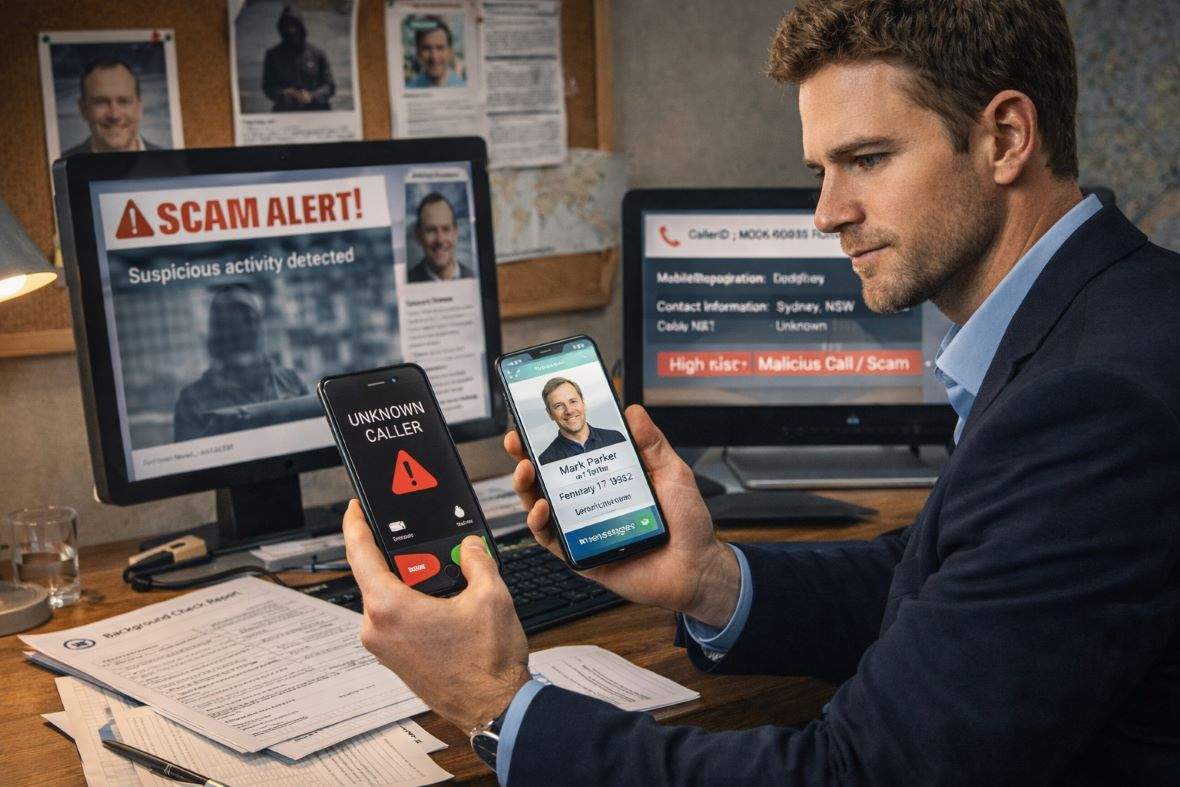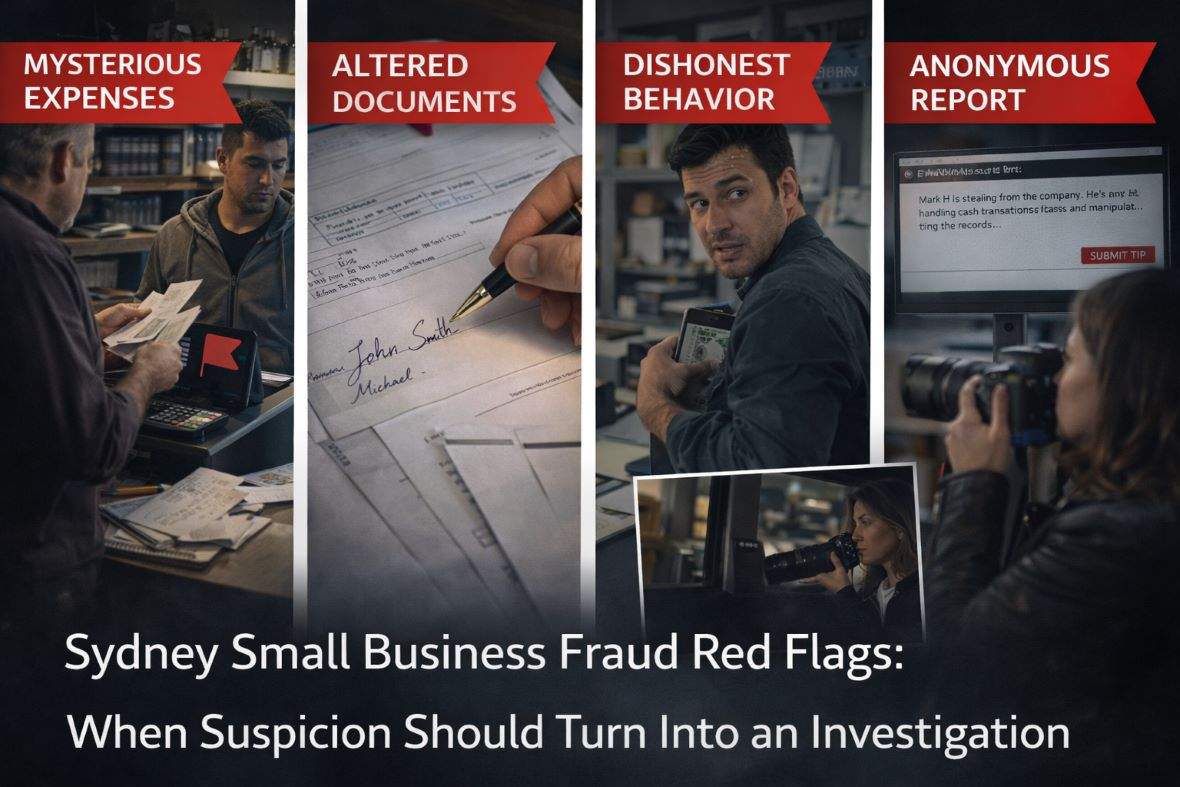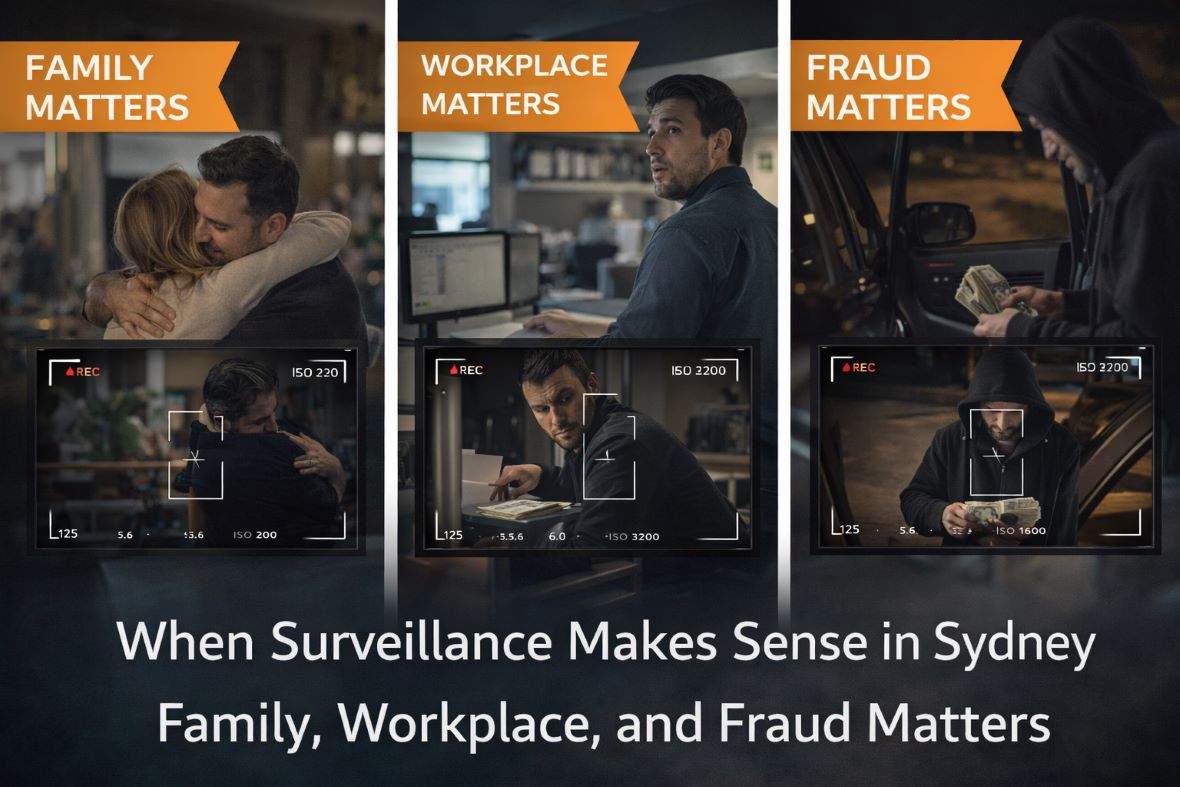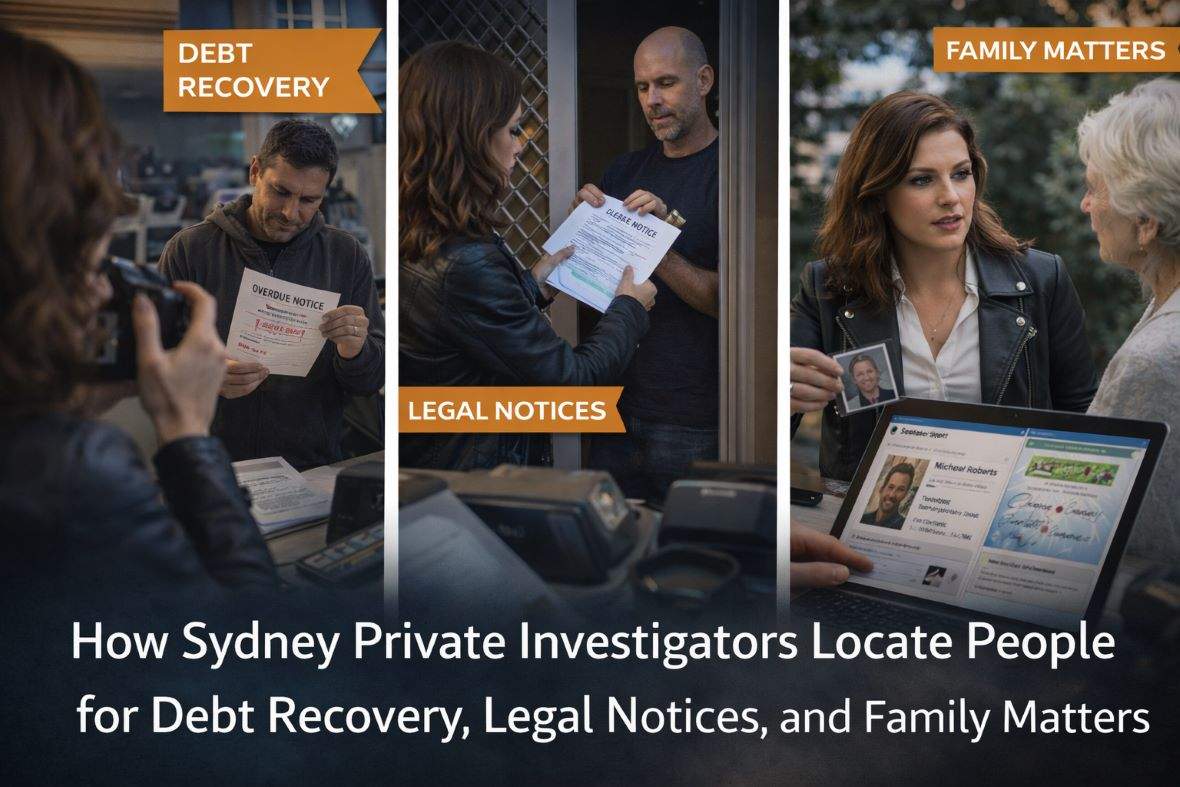
When confidential information ends up in the wrong hands, it rarely plays out like a movie. It looks like a rival undercutting your bid by a few dollars, a client list that suddenly isn’t exclusive, or meeting details that “shouldn’t be public” but somehow are. This is what Espionage Investigation means in real life: the facts and traces left behind when someone leaks, copies, records, or tracks. A private investigator can provide the insights needed to uncover the source of these leaks and hold the responsible parties accountable.
If you’re in Sydney and you suspect espionage, your most significant risks are simple. You can act too late and let the trail go cold. Or you can mishandle sensitive info and turn it into something you can’t use, for HR, for a lawyer, or in court. A Sydney Private Investigator focuses on lawful, court-ready facts and tight confidentiality, not reckless spying.

Espionage investigations often involve a mix of physical and digital material. A Private Investigator may deal with:
The catch is that this type of information is easy to damage unintentionally. A single edited video, a forwarded email chain, or a “cleaned up” audio clip can raise questions about what changed and why.
This is where the chain of custody matters. In plain terms, it’s a simple paper trail that answers the questions: who had the item, when they had it, and where it was stored. If the timeline is messy, a good fact can start to look unreliable.
You can also hurt your case by confronting someone too early. Once a suspect thinks they’re being watched, they change their behaviour. They delete files, swap devices, warn allies, or shift leaks to a quieter channel. That makes it harder for a Private Investigator to prove what happened and who did it.
If you suspect bugging or planted devices, you’ll usually get better outcomes by treating the location like a scene you don’t disturb, then getting professional help, including the importance of bug sweeps in Australia.
Most leaks come from three places, and they often overlap.
Insiders can copy files to personal email, take photos of documents, print after-hours, or share “just enough” detail to help a competitor. It can be malicious or sloppy.
Devices can include hidden recorders in meeting rooms, a camera aimed at a whiteboard, or a tracker placed on a vehicle used for site visits.
Digital access is often the quiet culprit: shared passwords, old staff accounts still active, or email rules that auto-forward messages. You might notice patterns like repeated undercut bids, rivals showing up where only your team should be, or private meeting topics getting discussed outside the room.
Before you call, write down what you already know. Keep it boring and factual. A short timeline helps more than a long theory.
Don’t search desks, don’t install spyware, and don’t hack accounts. Also, don’t tip off the person you suspect. Your job at this stage is to protect what exists and preserve context.

A Sydney Private Investigator works best when the scope is clear and the evidence plan is lawful. You’re not paying for chaos. You’re paying for a careful process that holds up under scrutiny.
Most cases start with a confidential intake. You explain what’s happening, who is affected, and what decisions you need to make (stop a leak, identify a source, support HR action, or brief a lawyer). The investigator then narrows the focus to evidence that can be legally gathered, without creating new risks for you or your staff.
Next comes risk control. That can mean limiting who knows about the investigation, setting safer communication channels, and avoiding actions that might provoke retaliation. In espionage cases, loose talk spreads fast.
Evidence collection can include lawful surveillance, witness interviews, checks of publicly visible activity, and documentation of device findings. When surveillance is part of the plan, you’ll want to understand what a local team can do and how they report it, including Sydney private investigator surveillance services.
From there, the investigator validates findings. One data point is rarely enough. A solid case usually ties together multiple sources, such as matching access timing with observed behaviour or linking device placement with meeting schedules.
Finally, you get a report that’s written for real use. It should read like a timeline, not a thriller.
A practical workflow often looks like this:
Good notes matter because they capture context you can’t recreate later. They often include time, location, weather and lighting, who observed what, and how the material was stored right after collection.
An espionage investigation is only helpful if it stays under control. A professional Private Investigator protects it with:
Need-to-know sharing: only the right people get updates.
Restricted access: fewer hands touching the material.
Preserved originals: original files and media are kept intact.
Documented transfers: if evidence moves, the movement is logged.
This is why “helpful” edits can backfire. Screenshots, re-exported videos, renamed files, and noise-reduced audio can look like manipulation, even if you meant well.
If you already have material, do three things. Keep the original files, don’t edit them, and write down how you got them (date, device, who provided it, where they were stored).
In NSW, a Sydney Private Investigator still has to follow the law. If evidence is gathered the wrong way, it can become unusable, and it can expose you to penalties. That’s a bad trade, even if you feel pressured to act fast.
A Private Investigator can’t wiretap calls, intercept emails, or access accounts without permission. They also can’t “break in” to get proof, even if you own the business and feel wronged. For most clients, the safest path is lawful observation, consent-based access, and strong reporting that explains how each piece of information was obtained.
If you want a plain-language view of boundaries, review the legal limits of private investigators.
Recording and tracking have strict limits. Consent and ownership matter. What you can see from public places is treated differently from what you can capture inside private spaces. Private conversations are treated with extra care.
Before any step starts, ask your investigator to explain what’s legal for your situation. If they won’t explain it clearly, don’t proceed.
Some cases need more than one skill set.
A PI may bring in cyber forensics if you suspect malware, suspicious forwarding rules, or device compromise. You may also need your internal IT team to lock down passwords, remove stale access, and tighten permissions.
A lawyer steps in when you need injunctions, employee misconduct action, or court filings. Your Private Investigator gathers facts. Your lawyer uses those facts to take legal action.

When you’re dealing with Espionage Investigation Information, the real work is quiet and methodical. You protect originals, limit who knows, and stick to lawful steps that can withstand questioning. A Sydney Private Investigator helps you move from suspicion to documented facts, without turning the situation into a bigger problem.
Your next step is simple: write down your timeline, lock down access where you can, and stop casual sharing. Then speak with a licensed Private Investigator in Sydney to set a lawful plan and keep your evidence usable.
No. Confrontation can destroy evidence and change behaviour fast. Stay calm, document facts, and let a Private Investigator plan the next step.
Share only what’s needed. Keep the originals, don’t edit them, and use a secure transfer method agreed upon with the investigator. Keep a simple list of what you sent and when you sent it.
It can be, if it’s collected legally and documented well. A clear timeline, preserved originals, and a chain of custody usually matter more than fancy tools.
A Sydney Private Investigator can help you confirm whether a dating profile exists and whether it likely belongs to your spouse, without crossing legal lines. A professional can’t hack Tinder, Bumble, or Hinge, and they can’t break into private messages or accounts. What they can do is look for lawful signals of identity and recent use, then document findings properly.
That uneasy feeling can sit in your stomach for weeks. You notice small changes, you ask a simple question, and the answer doesn’t quite match the facts. If you suspect your spouse is on a dating site, you don’t need drama or guesses; you need clear answers.
Doing it the right way matters in NSW. Legal, well-documented proof protects you, supports safety, and avoids evidence that falls apart under scrutiny.

Signs aren’t proof. They’re more like smoke. Sometimes there’s a fire, sometimes it’s burnt.
Navigating the world of dating apps can be both exciting and a little complex! It’s always insightful to recognise changes in behaviour, but let’s keep an open mind and avoid jumping to conclusions. Here are some intriguing patterns to watch for:
Remember, trust is super important! Instead of looking through someone’s things, it’s better to talk openly and ask questions if you’re unsure. If you still have doubts that your spouse is cheating, getting help from a Sydney Private Investigator can be a wise choice. Always stay positive and keep talking to each other!
Some clues show up in plain sight, even when someone thinks they’re being careful.
You might see new “single-style” selfies, a sudden refresh of profile photos, or a shift toward flirty captions. You might also notice new followers that don’t make sense, a private account flipping public, or a new username that’s more “brand-like” than personal. Another typical move is removing relationship status or posting stories that look designed to attract strangers.
Still, be careful with what you assume. Dating profiles can be old, copied, or fake. Even a real profile might have been made years ago and forgotten. That’s why verification matters.

A Sydney Private Investigator builds proof the same way a careful journalist would: lawful access, repeatable checks, and clean documentation. They don’t have special doors into Tinder, Bumble, or Hinge. They also can’t see private messages. What they can do is use normal-user access, open-source research, and (when lawful) device checks to confirm identity and activity.
One practical method a Sydney Private Investigator uses is running searches in apps with real accounts. The investigator can adjust the distance to look near places your spouse visits often, such as your home, her work, the gym, or neighbourhoods she likes.
They don’t just look for a name; they try to find someone who matches your spouse. They look for clues like:
Apps have rules that can change what they show. Some apps keep profiles hidden, some only show people, and the results can change based on your settings and the time you check. When the investigator finds someone who appears to be a match, they take screenshots and note the time to keep everything clear and easy to understand.
If a picture of someone is visible on social media, a Sydney Private Investigator can sometimes find clues through specialised searches and public records. The goal is simple: to show that a dating profile isn’t just “similar,” but is really connected to the same person.
This can happen if the same picture appears on different websites, if the person uses the same nickname across platforms, or if their Instagram account has the same types of images and posts as their dating profile. A good match usually depends on several things that fit together, not just one lucky guess.
A Sydney Private Investigator cannot break into a phone, guess passwords, or install spyware. If you legally own or share a device, or you have explicit consent, there may be lawful checks available, such as verifying whether certain apps are installed, reviewing app store download history, or spotting sign-up confirmation emails.
In some cases, properly conducted digital forensics may recover artifacts indicating app use, even if the app was deleted. The key is legality and clean handling. If access isn’t lawful, a good investigator won’t touch it.
Finding a profile is one thing. Proving it’s active is another.
A Sydney Private Investigator looks for signs of recent use, such as updated photos, a changed bio, new linked accounts, or “active” indicators in an app. Then they may compare those digital signals to real-world behaviour, such as unexplained absences or meetups.
When needed, surveillance investigation from public places can confirm whether dating activity leads to in-person meetings and help build a timeline with dates, times, and context.

When you’re investing in answers, it’s essential to understand what those answers should look like on paper. Clear, detailed documentation is crucial. You should expect comprehensive reports that outline the methods used, present findings with supporting evidence, and include properly dated information. Reliable answers will include photographic evidence when applicable, timestamps, and thorough explanations of the investigative process. Having this clarity not only provides assurance of the findings’ validity but also ensures that the information can withstand scrutiny if needed.
You can usually expect:
Strong proof has a clear source, clear time context, and minimal editing. It should read like a record, not an argument.
Some actions can create legal risk, personal danger, or destroy trust before you even know the truth:
Instead, decide what you actually need: peace of mind, separation planning, or information for family law discussions. If you want a sense of the services an investigator may offer across cases, and need help to see what you need.
When you suspect your spouse is on a dating site, the safest path is steady and fact-based. Notice patterns, don’t treat guesses like proof, and avoid shortcuts that can expose you to legal and personal risk. If you hire a Sydney Private Investigator, they can confirm identity matches and recent-use signals using lawful methods, without hacking, spyware, or access to private messages.
If you’re ready to move from suspicion to clarity, gather what you already know (recent photos, likely usernames, usual suburbs, known emails), then speak with a licensed investigator about options that fit your goal and protect your proof.
Can a Sydney Private Investigator find a Tinder or Bumble profile if your Spouse uses a different name?
In some cases, yes. Many profiles can still be identified by matching photos, consistent locations (like distance settings near home or work), and unique details in bios, such as hobbies, job hints, or repeated phrases. However, some apps may conceal profiles based on user settings, so it might take time and several search attempts to find them.
How do you tell if a dating profile is active and not an old account?
You look for recent change signals. That can include new photos, a re-reshed bio, updated prompts, or new linked social accounts. Some apps show activity indicators, but many don’t, so you rely on the whole picture. A Sydney Private Investigator may also compare app findings with real-world patterns, like repeated meetups or schedule shifts.
Is it legal to check her phone or computer for dating apps?
It depends on lawful access and consent. A Sydney Private Investigator won’t hack into a device or install spyware, even if you’re desperate for answers. If you share a device legally, there may be limited checks that are acceptable, like installed apps or app store history. When access isn’t clear, it’s smarter to stay hands-off and use lawful methods.