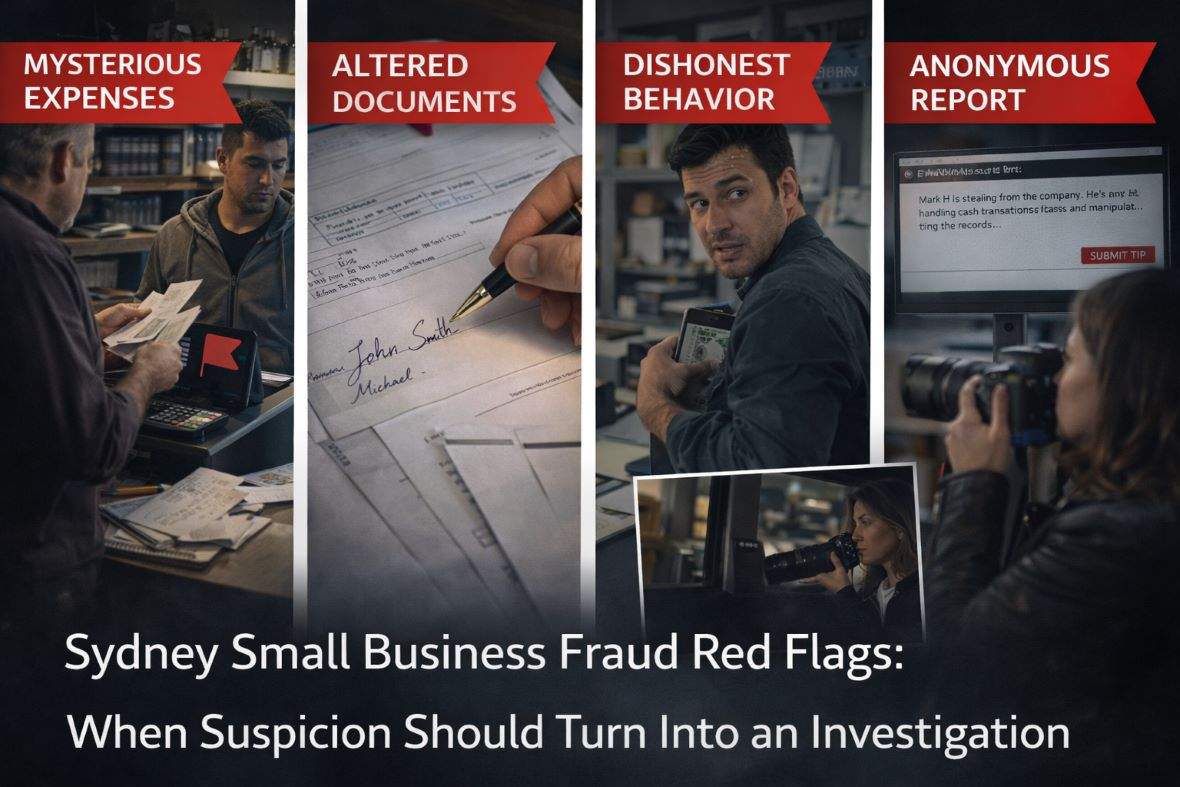
Small-business fraud in Sydney rarely starts with a single dramatic moment. More often, it shows up as a pattern: numbers that stop matching, records that keep needing “fixing,” unexplained access, or a staff member or supplier relationship that no longer makes commercial sense. The point is not to assume fraud too early. It is to recognise when ordinary business noise has become a fact-finding problem. ACFE’s 2024 fraud reporting found that weak internal controls and override of existing controls were among the most common organisational weaknesses behind occupational fraud, and tips remained the most common detection method.
Counting Red Flags
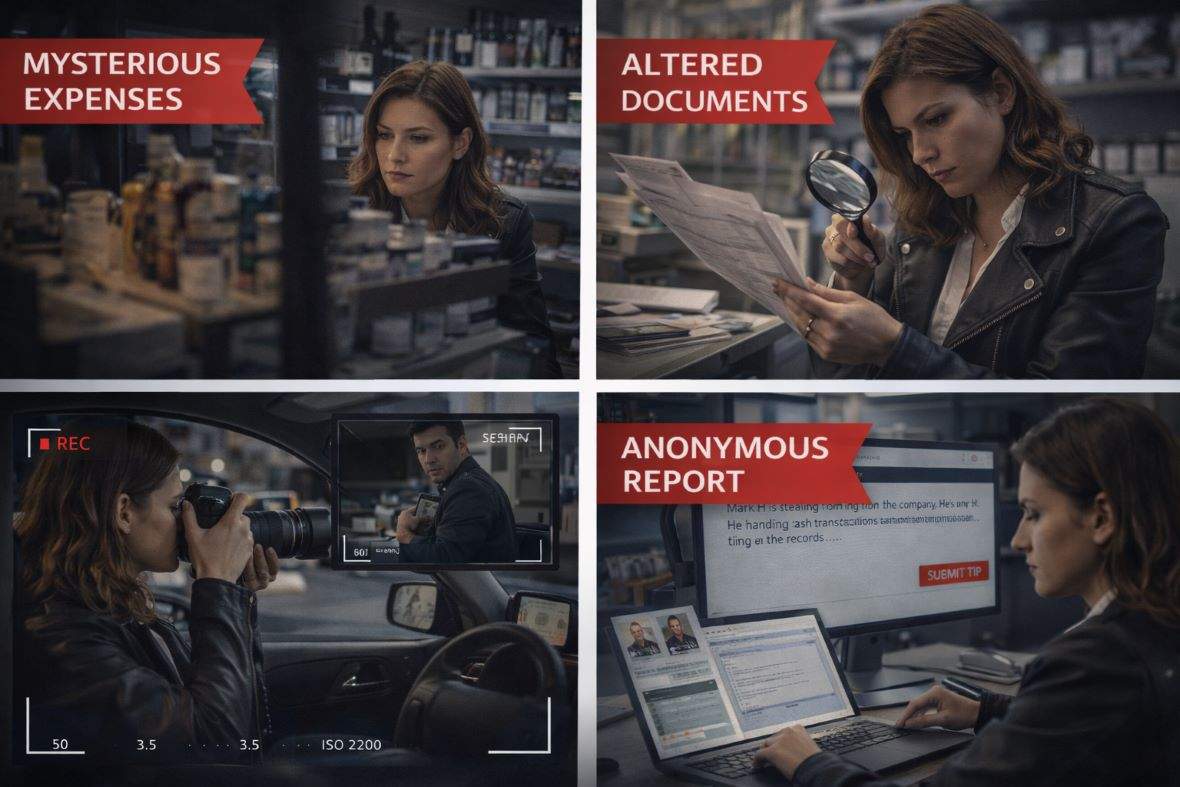
The first red flag is repetition. One refund error, one stock discrepancy, or one payroll correction may be a mistake. Repeated anomalies around the same shift, login, approval point, or person are different. That is especially true when the issue disappears during leave, spikes at closeout times, or keeps being explained away without a clean audit trail. In small businesses, fraud often hides inside ordinary processes rather than outside them.
The second red flag is control concentration. Suspicion should rise when one person can receive stock, amend records, approve exceptions, and explain away discrepancies with little review from anyone else. ACFE’s 2024 report found that a lack of internal controls and control overrides were major weaknesses in fraud cases, which is exactly why “trusted” employees with unchecked access can become a business risk. (Anchin, Block & Anchin LLP)
The third red flag is behaviour that changes in response to scrutiny. A normally cooperative employee who resists leave, avoids handover, becomes defensive about audits, or insists only they can manage a process may not be committing fraud, but that behaviour becomes more significant when it sits beside missing stock, strange refunds, unexplained overtime, or supplier irregularities. Tips and internal reporting matter here, too. ACFE says tips are the leading fraud-detection method, meaning complaints from staff, customers, or contractors should be taken seriously when they align with operational warning signs. (ACFE)
The fourth red flag is false urgency or payment pressure from outside the business. ASIC has warned that small businesses are being targeted by false billing, investment, and remote-access scams, especially during periods of cost pressure and insolvency stress. If your business starts receiving aggressive payment requests, invoice changes, bank details updates, or “urgent” renewal notices that do not fit the usual pattern, suspicion should shift quickly from annoyance to verification. (ASIC)
Suspicion to Investigation
So when should suspicion turn into an investigation? Usually, when one or more of these are true:
- the losses or irregularities are repeated, not isolated
- the issue involves money, stock, customer data, or serious trust
- internal records no longer explain what happened
- there is a risk evidence will be overwritten, deleted, or aligned
- the matter could lead to dismissal, insurer involvement, police referral, or civil recovery
At that point, the smartest move is not to rush into an accusation. It is to preserve records, narrow the question, and follow a fair process. Fair Work says theft and fraud can amount to serious misconduct, but small businesses still need a valid reason, a fair process, records of that process, and an opportunity for the employee to respond. The Fair Work Commission’s conduct guidance also makes clear that misconduct decisions turn on evidence, not just suspicion or loss of confidence. (Fair Work Ombudsman)
What to consider in hiring a private investigator in Sydney
When considering hiring a private investigator in Sydney, it’s essential to understand the context and reasons behind this decision. Businesses may face various challenges, including internal theft, employee misconduct, or disputes that require thorough investigation. Securing POS records, stock reports, timesheets, access logs, emails, delivery paperwork, and any existing CCTV or device logs that are lawfully available is usually the first step in addressing these issues.
If a matter becomes serious, repeated, or contested, it may be prudent to involve a licensed private investigator. Engaging a professional ensures that the investigation is conducted ethically and within the law, which is critical for maintaining the integrity of the findings. In NSW, private investigators operate under a Class 2E licence category, emphasising the importance of hiring someone who adheres to a regulated framework. This not only provides peace of mind but also ensures that any evidence gathered is admissible in potential legal proceedings.