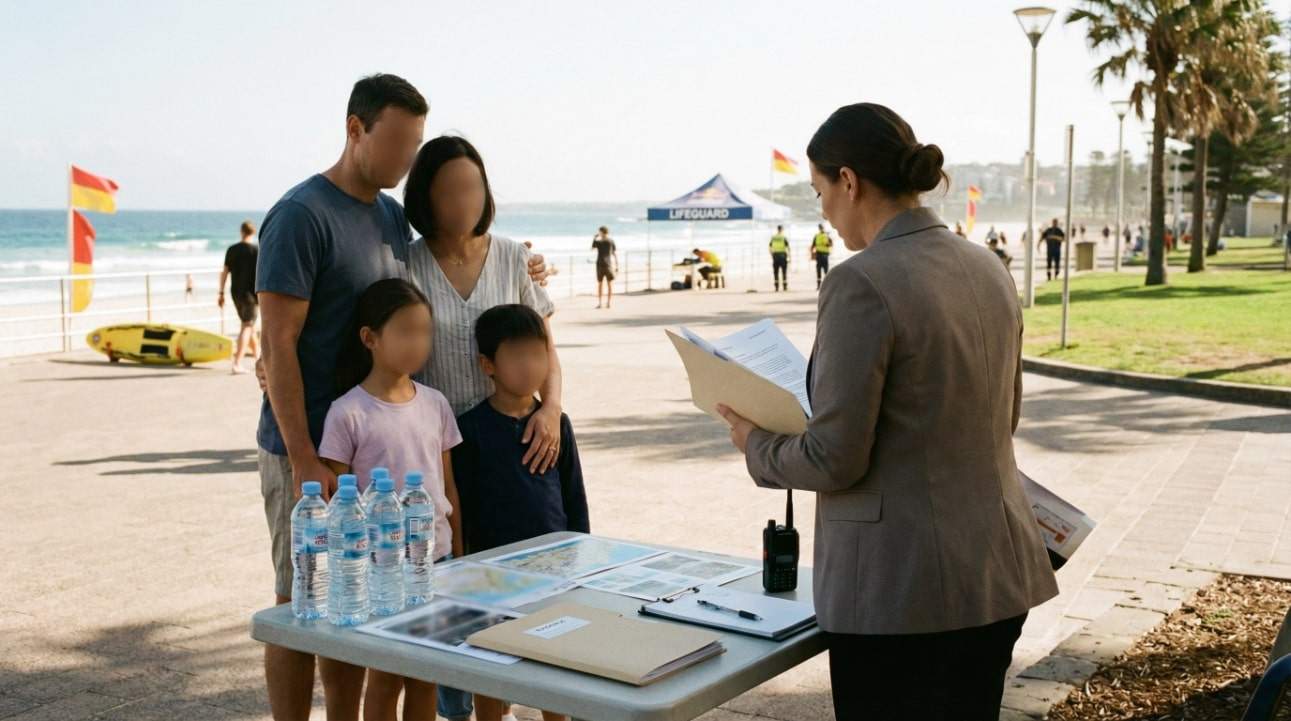
After the Bondi Beach Chanukah by the Sea shooting on 14 December 2025, many survivors and families are still struggling to process what happened. This guide explains what to do in the first 72 hours to stay safe, protect your rights, and decide if and when to involve a private investigator.
What To Do In The First 72 Hours
On December 14, 2025, a terrorist mass shooting hit Bondi Beach during the Chanukah by the Sea event. Families, children, and friends were caught in a place that usually feels safe and open. In moments, it turned into fear, chaos, and loss.
If you were there, or someone you love was, you might feel numb, angry, shaky, or completely confused. You might also feel pressure to talk to the police, the media, social media, and maybe even lawyers, all while you are still in shock.
In an official update, New South Wales Police confirmed that sixteen people have died and forty more were injured in the Bondi Beach shooting incident on 14 December 2025, with victims ranging in age from children to older adults. Police and specialist units responded within minutes. A major crime scene has been established around Bondi, several firearms have been seized for forensic examination, and authorities are asking anyone with information to contact the proper authorities.
This guide is not legal advice. It is a practical checklist to help you stay safe, protect your rights, and use a Private Investigator wisely if and when you choose. The order matters: safety and medical care first, then information and evidence, then decisions about a Private Investigator.
You only need to take small steps, one at a time.
First 24 Hours After the Bondi Beach Incident: Safety, Medical Care, and Basic Information
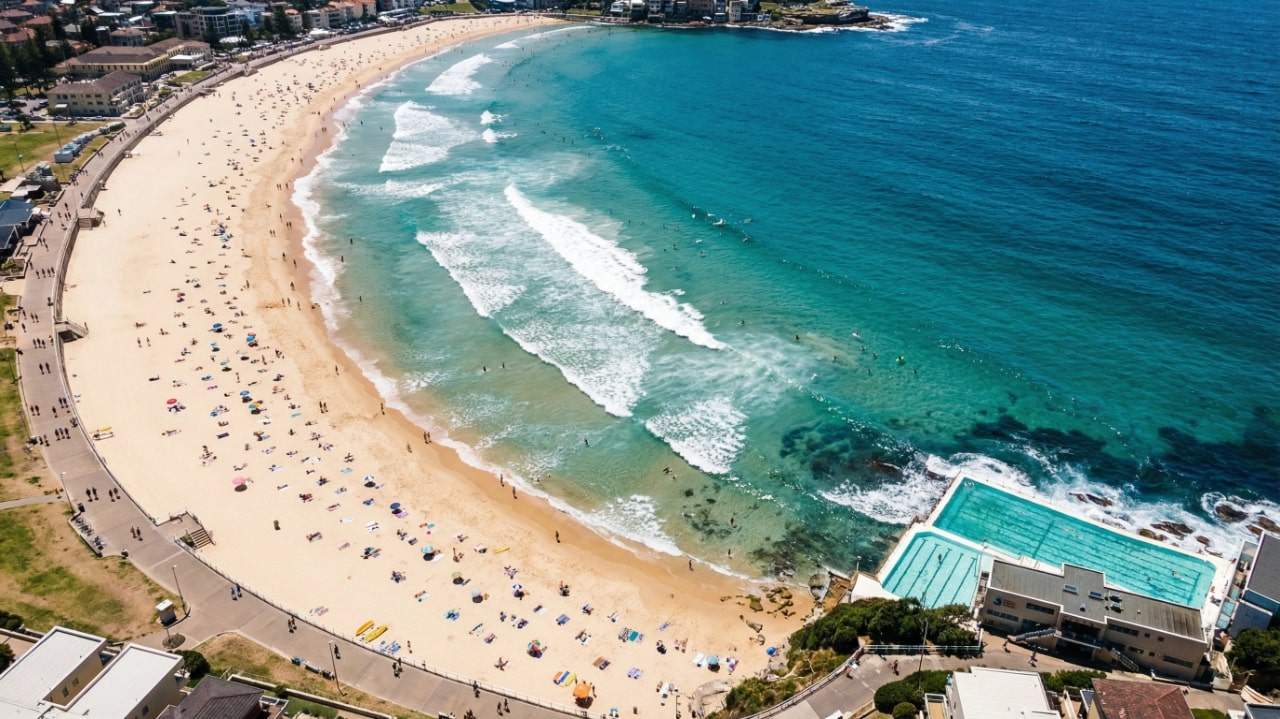
On the first day, your brain is trying to survive. Memory can be patchy, time can feel strange, and simple choices can feel hard. That is normal.
Start with safety, then health, then the most basic facts.
Put Safety and Medical Help First
Before you consider a Private Investigator, the media, or posting online, focus on staying alive and safe.
If you are still near Bondi Beach:
- Follow police directions, even if they change often.
- Move away from crowds if told to leave.
- Avoid re-entering the area to look for belongings.
Get checked by paramedics or at a hospital, even if you feel “fine. After a shooting, people often:
- Ignore pain because of shock
- Miss signs of concussion
- Push away early anxiety or panic
Tell doctors where you were and what you felt in your body, such as ringing in your ears or shortness of breath. Keep any hospital wristbands, discharge notes, and prescriptions.
Emotional trauma is real. You might shake, cry without warning, feel numb, or feel nothing at all. This can hit hours later when things go quiet. If there is a crisis line or trauma team on site, talk to them. Early support can make the next days a little steadier.
A Private Investigator can help later, but they cannot replace police or medical teams in these first hours.
Gather Basic Facts While You Are Calm Enough
Once you are somewhere safe and have had basic medical care, start writing down what you remember. This is not about writing a perfect statement. It is just getting facts out of your head before they fade or mix with news reports.
You can:
- Write in a notebook
- Type in your phone
- Record a voice note
Focus on simple points:
- Time and place
- Where were you on Bondi Beach
- Who was with you
- What you heard or saw just before and during the attack
- Anything that felt odd beforehand, like strange behavior or comments
Make a simple timeline, such as:
- “We arrived about 5 pm.”
- “Shooting started around X time.”
- “We ran toward [landmark].”
It is okay if times are rough guesses. It is also okay if you cannot remember everything yet. This rough record can help police now, and help any future Private Investigator understand your movements and your view of events.
Check on Loved Ones and Share Only What Is Needed
Once you are as safe as you can be, reach out to family and close friends.
If phone networks are busy, try:
- Text instead of calls
- Messaging apps
- Official hotlines or emergency contact centers
When you update people, stick to basic facts:
- “I am safe.”
- “I am at [hospital/location].”
- “Still waiting for news about [name].”
Try not to send unverified photos, videos, or rumors in group chats. In a fast-moving terror attack, wrong stories spread quickly and can hurt other families.
Remember that what you say now, even in messages, can later be seen by the media, police, or lawyers. Keeping it short, honest, and calm protects you.
In the next section, you will see what to save as evidence and what to keep off public channels.
What To Do in the First 24 to 72 Hours: Evidence, Misinformation, and When to Call a Private Investigator
Once the first shock settles, you move into a different phase. You still need care, but you also start thinking about what really happened, what you saw, and how this might affect your family long term.
This is where careful handling of evidence and thoughtful use of a Private Investigator can help.
Document Key Details Without Putting Yourself at Risk
You do not need to play detective, but you can keep a clear record of what touches your life.
Useful things to save:
- Call logs and messages from the time of the attack
- Names or badge numbers of police you spoke with, if you wrote them down
- Hospital records, discharge notes, and follow-up referrals
- Any official letters or emails you receive
Take photos or scans and store digital copies in a secure folder on your phone or computer. When you can, back them up to the cloud or a trusted drive.
This record can:
- Help police see your timeline
- Support any victim support or insurance claims
- Give a Private Investigator a clear starting point later
You are not trying to build a case alone. You are simply keeping your own story straight and safe.
What Evidence to Save vs What to Share
If you have photos, videos, or audio from Bondi Beach that day, treat them as sensitive evidence.
In general, save:
- Original photos and videos on your device
- Clothing you wore, if it is safe to keep and not needed by the police
- Screenshots of social media messages about threats or hate
- Any abusive or threatening messages you receive after the incident
Be very careful about what you share:
- Avoid posting graphic images or clear faces on social media
- Avoid sending full videos to strangers or random journalists
- Avoid passing files to people who say they are “investigators” but give no proof
Once a file is public, you lose control of it. That can hurt future legal cases, police work, or any review by a Private Investigator.
Keep one master copy of each piece of evidence. Share only with trusted professionals like police, registered lawyers, or a licensed Private Investigator you have checked.
How to Avoid Rumors and Misinformation Online
After a terror attack, lies spread fast. Some people guess. Some push hate. Some want attention.
To protect yourself:
- Follow updates from New South Wales Police and official government channels
- Use trusted news outlets rather than random accounts
- Be wary of anyone online who claims to “know the truth” but offers no proof
Do not name suspects, blame whole groups, or repeat wild claims online. It can be unsafe, unfair, and legally risky.
If you hear something that worries you, write it down and, if needed, raise it with the police or a lawyer. A Private Investigator can later help check information quietly and properly, instead of chasing rumors in comment threads.
When a Private Investigator Can Help Your Family
You do not have to hire a Private Investigator in the first 72 hours. Some families never do. Others find it helpful later, when questions stay unanswered.
Situations where a Private Investigator might help include:
- Finding or confirming witnesses who spoke to you that day
- Checking timelines and movements that affect your family
- Gathering open source intelligence about online threats or harassment
- Tracking abusive messages or stalking linked to the incident
- Helping you understand the gaps between the different accounts you have been given
A Private Investigator does not replace the police. They work beside official investigations and lawyers, filling in details, explaining complex parts, and helping protect your privacy.
Before hiring, ask:
- Are you licensed in this state?
- Have you worked on major incidents or terror cases before?
- How do you store and protect evidence?
- How often will you update us, and in what way?
You do not need to decide right now. You can wait a few days, or longer, until you feel steadier.
Protecting Your Family Long Term: Privacy, Media, and Emotional Support
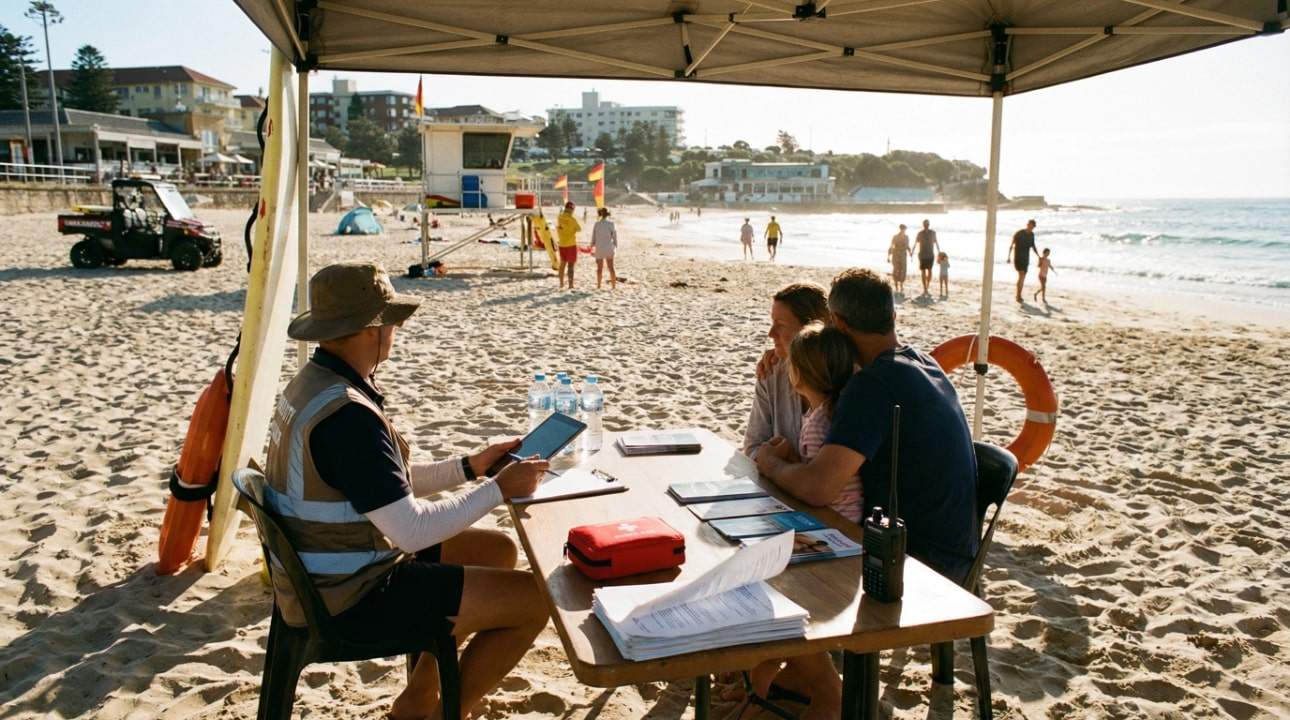
After the first 72 hours, the sirens fade, but pressure can rise. Media stories grow, people argue online, and daily life still expects you to function.
You are allowed to set boundaries and ask for help.
Handling Media Attention and Social Media Safely
After a high-profile event like the Bondi Beach incident, journalists and strangers may contact you by phone, message, or at home.
Simple rules can help:
- You do not have to speak to the media
- You can ask for questions in writing
- You can say no, or say you are not ready
If your family chooses to speak, pick one spokesperson. Keep statements short and factual. Avoid guessing or blaming.
A lawyer or Private Investigator can help review what you plan to say so you do not harm a future case or reveal private details by accident.
On social media, you can:
- Tighten privacy settings on your accounts
- Block abusive profiles
- Keep children’s names, photos, and school details offline
You are not being rude. You are protecting your family.
Looking After Your Mental Health and Support Network
Strong emotions after an attack do not mean you are weak. They mean you are human.
Talk to your doctor about sleep problems, panic attacks, or sudden anger. Ask about trauma counseling, local victim support services, or community groups that understand what you went through.
Share how you feel with at least one trusted person. Let friends help with small tasks like meals, school runs, or calls.
Any good Private Investigator, lawyer, or support worker should respect your emotional limits. They should:
- Keep meetings short and clear
- Explain what they need in plain language
- Give you time to rest between heavy conversations
You do not have to walk this road alone.
Moving Forward: Protect Your Story, Your Family, and Your Options
In the first 24 to 72 hours after the Bondi Beach incident, it is enough to focus on a few essential steps. Put safety and medical care first, then gently record what you remember while it is still clear, and save any evidence without sharing it widely online or with strangers.
If you decide to work with a private investigator, do it on your terms, when you feel ready, and after you have spoken with the police and received basic care. Choose someone licensed, ask direct questions, and make sure they respect your privacy, your boundaries, and your pace.
Healing and justice both take time, but small, steady actions now can protect your family, your rights, and your story in the months and years ahead. If you are left with unanswered questions, feel unsafe, or need help making sense of what happened, a professional private investigator can support you by quietly gathering facts, protecting your interests, and helping you move forward with greater certainty and confidence.