Walking into the world of domestic investigations requires more than just a camera and a car. It takes a unique blend of thick-skinned professionalism and deep empathy. As a Private Investigator, who specialise in Infidelity Investigations you’re often the first person someone calls when their world feels like it’s spinning out of control. In 2026, the industry has shifted away from the grainy, low-quality stakeouts of the past. Today, the role combines high-tech digital forensics with old-school observation to provide clarity. Specialising in this niche means you aren’t just looking for “cheaters”; you’re gathering legally sound evidence that can stand up in a courtroom or provide much-needed closure. It’s a career path that demands a firm grasp of local laws, technical proficiency, and the emotional intelligence to guide clients through some of their darkest hours.
Getting Started with Professional Training and Licensing

Before you can offer your services to the public, you must build a solid legal foundation. Most regions require a formal Private Investigator license, which typically involves passing a state-mandated exam and undergoing a rigorous background check. This isn’t just a bureaucratic hurdle; it’s your stamp of credibility. Licensing ensures you understand the heavy responsibility of handling sensitive information. A single mistake in how you gather evidence can lead to a case being dismissed, or worse, legal action against you. By becoming licensed, you signal to clients and attorneys that you operate within a strict ethical framework and understand the weight of the evidence you provide.
Practical training is the next vital step. Many aspiring specialists find it helpful to apprentice under seasoned professionals or attend specialised investigative academies. These programs teach you how to document findings objectively without letting personal bias creep into your reports. You’ll learn the administrative side of the business, including how to draft contracts and maintain detailed logs that can be used as evidence. Taking the time to master these fundamentals prepares you for the unpredictable nature of domestic cases, where the stakes are high, and the emotions are higher.
Essential Surveillance and Photography Skills
The heart of an infidelity specialist’s work is the ability to remain invisible while seeing everything. You need to master both stationary and mobile surveillance. This means knowing how to blend into a neighbourhood for hours without drawing the attention of “Karens” or local law enforcement. It also means developing the reflexes to follow a target through heavy traffic or crowded city centres without being “burned.” Understanding how Sydney private investigators conduct cheating surveillance often involves strategic positioning and knowledge of the city’s flow to avoid losing a subject.
Photography is your primary way of telling the story. In 2026, a blurry photo won’t suffice. You must be proficient with long-range lenses and low-light equipment. The goal is to capture clear, identifiable images of your subject and their associates in public spaces. This documentation serves as the “smoking gun” in your report. You aren’t just taking pictures; you’re creating a chronological visual record that leaves no room for doubt or misinterpretation.
Learning the Laws of Privacy and Tracking
Specialising in this field requires a near-expert level of legal knowledge. Privacy laws are constantly changing, and what was acceptable a decade ago might land you in jail today. For example, you must strictly avoid wiretapping or hacking into private accounts. In many jurisdictions, laws regarding GPS trackers on vehicles have become significantly tighter. If you place a tracker illegally, any evidence you find as a result is usually inadmissible in court.
Understanding the “Expectation of Privacy” is key. You can generally photograph someone at a park or a restaurant because those are public venues. However, pointing a camera into a second-story bedroom window is a major legal violation. Staying on the right side of the law protects not only your license but also your client’s legal standing. If you want to succeed, you must become an expert on what you can and cannot do under current statutes.
Modern Tools for Tracking Digital Footprints
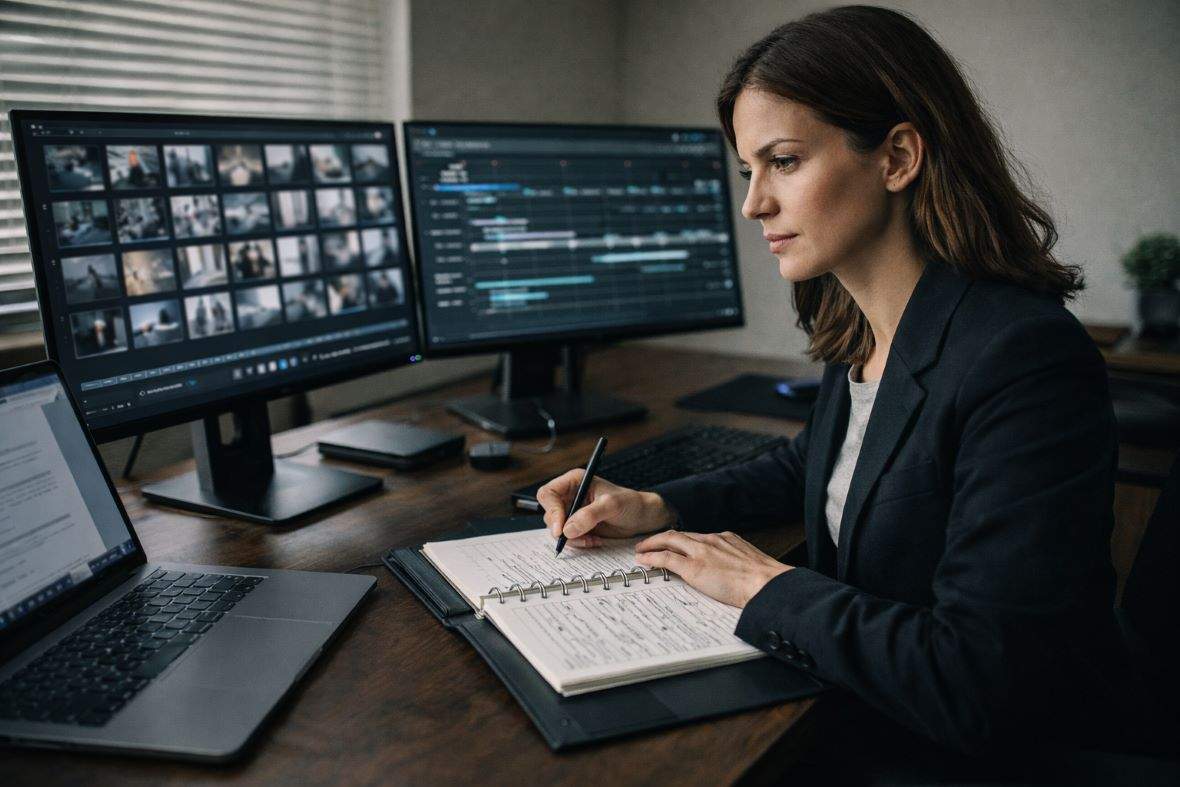
The landscape of infidelity has moved largely into the digital world. While physical meetings still occur, the initial sparks and ongoing communication often take place on mobile devices and virtual platforms. A modern Private Investigator in Sydney must be comfortable navigating the digital trail. It’s no longer enough to just watch a house; you need to understand how “ghost apps” hide messages or how secret social media accounts function. By integrating digital forensics into your specialty, you can offer your clients a more comprehensive service.
AI has also made its way into the field, making surveillance more efficient. Advanced software can now assist in analysing hours of footage or identifying patterns in a subject’s movements that a human might miss. This technology doesn’t replace the investigator but acts as a force multiplier. It lets you focus your energy on the actual “catch” rather than spend countless hours looking at empty doorways. Embracing these tools is what separates the modern specialist from the outdated hobbyist.
High Tech Gear for the Field
Your toolkit should reflect the era we live in. Drones have become invaluable for certain types of surveillance, especially in rural areas or large properties where traditional tailing is impossible. Night vision and thermal imaging help you maintain visual contact even in total darkness. Digital voice recorders and high-definition cameras with remote triggers allow you to document events from a safe distance. These Private Investigator duties are defined by the quality of the gear they use. Having the right equipment ensures that you don’t miss the critical moment due to a technical failure.
Uncovering Hidden Data and Virtual Affairs
As we move further into 2026, the Metaverse and virtual spaces have become new frontiers for infidelity. People now conduct emotional and even physical affairs through avatars and virtual reality. Specialising in this niche means staying ahead of these trends. You need to know where to look for hidden data on devices, such as encrypted folders or disguised calculator apps that actually store photos. Uncovering this virtual evidence often provides the context needed to explain the physical movements you see during surveillance.
Managing Clients and Growing Your Business

Infidelity cases are deeply personal. When you take on a client, you aren’t just a contractor; you’re a confidant. You’ll deal with people who are angry, heartbroken, or in denial. Managing these emotions is one of the hardest parts of the job. You must remain professional and objective, providing the cold, hard facts without becoming cold yourself. Clear communication is your best tool. Set realistic expectations from the beginning and provide regular updates so the client never feels left in the dark.
Building a reputation is essential for long-term success. Word of mouth is powerful, but your best leads will often come from professional partnerships. Networking with divorce lawyers is a top strategy. Attorneys need reliable investigators they can trust to gather evidence for alimony, child custody, or property disputes. If you can provide clean, professional reports and reliable court testimony, you’ll become their go-to specialist. Hiring a private investigator is a careful process for attorneys, clients, and businesses, so ensure your business practices are beyond reproach.
Conclusion
Specialising in infidelity investigations is a demanding but rewarding career choice. It’s about much more than just catching someone in the act; it’s about providing the truth that allows a person to move forward with their life. By combining rigorous training, a mastery of modern technology, and a compassionate approach to client management, you can build a respected practice in this sensitive niche. At the end of the day, your work helps bring peace of mind to those living in agonising uncertainty.
Infidelity Investigation FAQ
Is evidence from a private investigator always usable in court?
Evidence is usually admissible if it was gathered legally in public spaces. However, if an investigator violates privacy laws or trespasses, a judge will likely throw out the evidence.
How long does a typical infidelity surveillance case take?
Most cases are resolved within three to five shifts. The timeframe depends on the subject’s routine and how often they meet their associate, though some cases may take longer to establish a consistent pattern.
Can a PI hack into a partner’s phone or social media?
No, hacking is illegal and will result in criminal charges for both the investigator and potentially the client. Professional investigators use legal surveillance and public data to find the information they need.