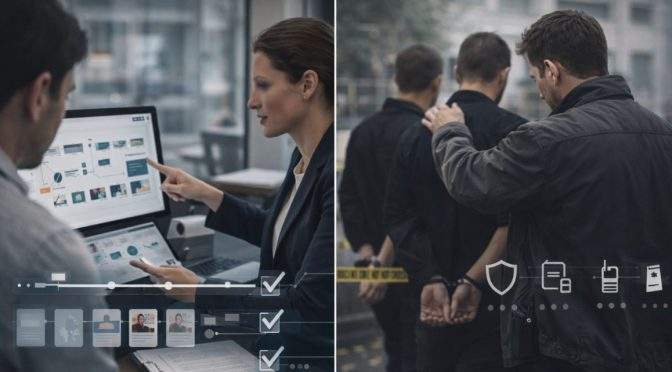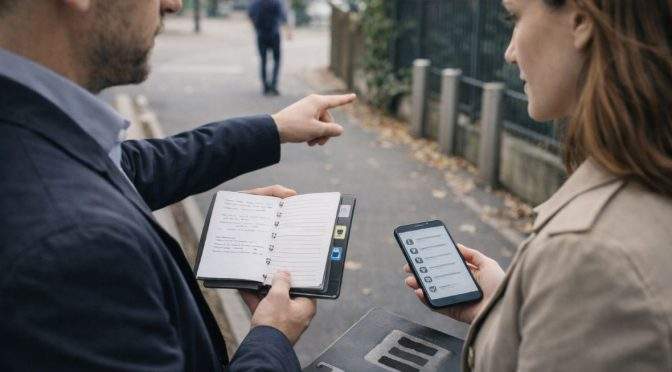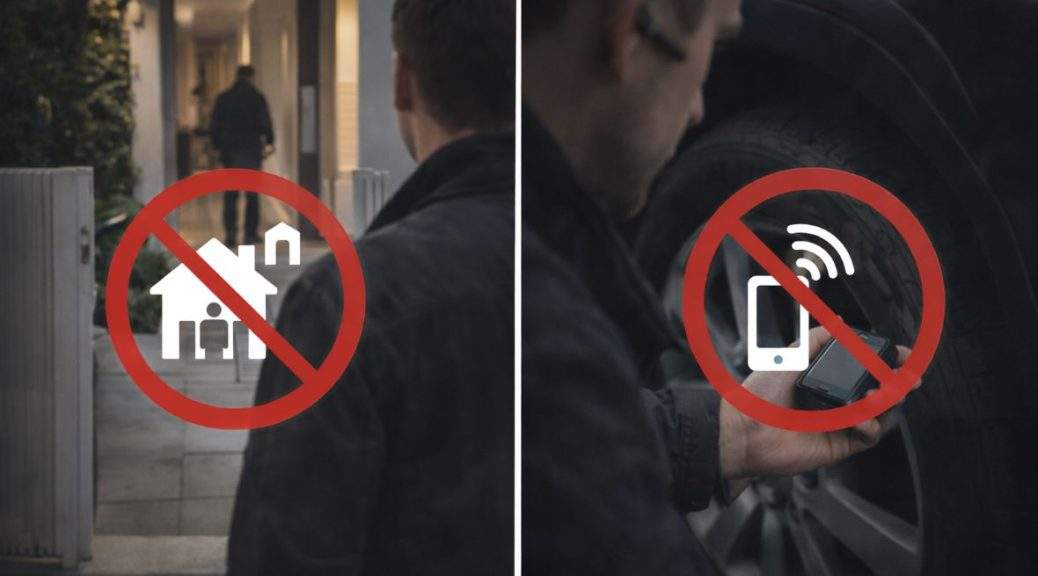
Television shows often portray private eyes as shadowy figures who can tap any phone or break into high-security buildings with a simple lockpick. In the real world, a Sydney private investigator works inside a strict legal framework. The limits are not optional. They shape what evidence can be gathered, how it must be handled, and whether it can be used without creating legal risk for the investigator and the client.
By 2026, the industry will have seen significant shifts in how evidence is gathered and verified. Authorities have tightened the belt on rogue operators to protect the privacy of everyday citizens. This guide breaks down the current legal landscape to help you set realistic expectations. Whether you’re dealing with a family law dispute or a suspicion of corporate fraud, understanding these limits ensures your evidence stands up in court.
Legal Limits on Surveillance and Privacy in Australia
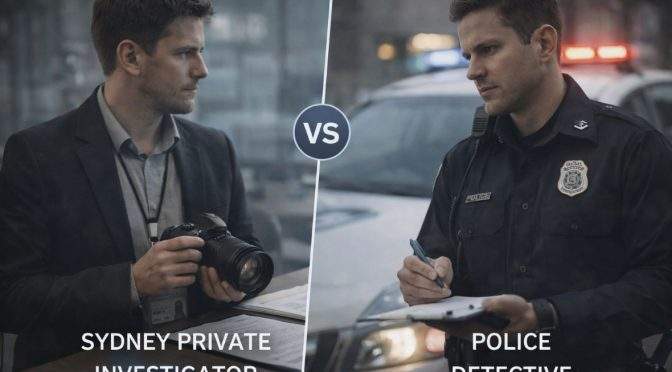
The most important thing to remember is that a private investigator is not a police officer. A PI has no special powers to trespass, force access to private spaces, intercept communications, or run covert “spy” operations. In practice, a Sydney PI’s limits come from four main legal buckets:
-
NSW licensing law (Security Industry Act and Regulation)
-
NSW surveillance device law (Surveillance Devices Act and Workplace Surveillance Act)
-
Federal interception law (Telecommunications Interception and Access Act)
-
Federal cybercrime law (Criminal Code offences for unauthorised access)
Breaking these rules does not just create “bad evidence.” It can create criminal exposure, civil liability, and licensing consequences.
Even when something is real, courts can exclude improperly or illegally obtained evidence under Evidence Act principles, including s 138. So a professional PI plans evidence collection to stay within the law in the first place.
The Rules for Photos and Public Video
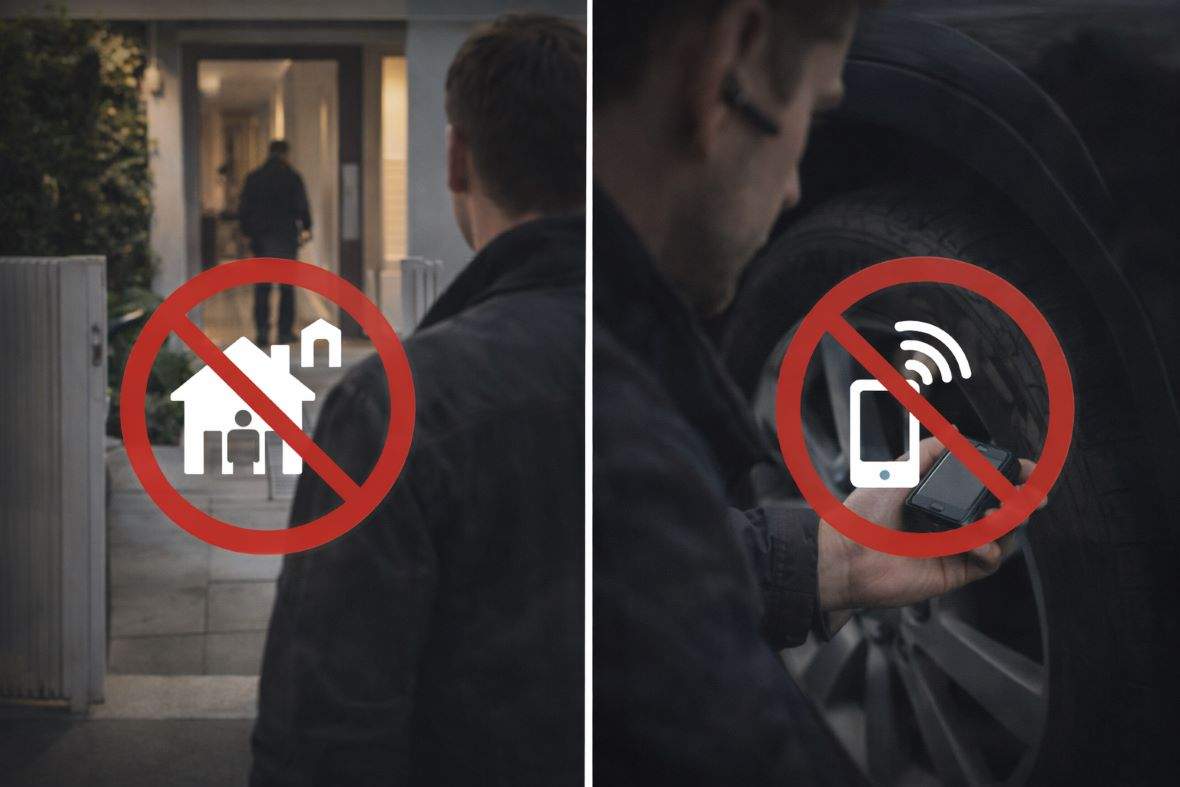
Capturing visual evidence is a core part of the job, but it follows the “Reasonable Expectation of Privacy” rule. An investigator can legally take photos of someone walking through a park or entering a shopping mall because those are public settings. Problems arise when the surveillance enters the home environment. For example, a PI cannot use a long-range telescopic lens to peer through a second-story bedroom window. They also cannot lean over a high fence to film a private backyard barbecue.
Technology has changed the game, but the law has caught up. In 2026, the use of drones by private citizens and investigators is heavily restricted. A Sydney Private Investigator cannot fly a drone over a private residence to peek into windows or monitor backyard activities. Doing so violates both privacy laws and aviation safety regulations. All visual evidence must be gathered from a lawful vantage point where the investigator has a right to be.
Recording Conversations and Audio Bugs
One of the biggest misconceptions involves recording private talks. In most Australian states, it’s a criminal offence to use a hidden microphone or “bug” to record a private conversation without the consent of the people involved. Even if the investigator is standing right next to the target in a cafe, they usually cannot use high-tech listening devices to capture every word.
Evidence obtained through illegal recording is completely inadmissible in Australian courts. Beyond that, the investigator can face heavy fines or jail time for using such devices. If a client asks for “wires” or “bugs,” a reputable professional will immediately refuse. Instead, they rely on visual observation and public records to build a narrative without breaking wiretapping laws.
New NSW Regulations and Ethical Standards for 2026
The year 2026 marks a new era for accountability in New South Wales. The state has moved away from the old SLED (Security Licensing & Enforcement Directorate) model to a more robust, dedicated government oversight body. This shift happened to address growing concerns about data privacy and the misuse of investigative tools. Now, the standards for maintaining a license are higher than ever before, ensuring only the most ethical professionals stay in business.
Clients now have more power to vet who they hire. The new public registry allows anyone to check an investigator’s license history, including any past fines or disciplinary actions. This transparency has significantly cleaned up the industry. Modern investigators must also undergo regular ethics training to keep their credentials. These changes mean you’re more likely to find a professional who values the law as much as the truth.
Mandatory Digital Logs and Licensing Changes
One of the biggest updates in 2026 is the requirement for Mandatory Digital Activity Logs. Every licensed investigator must now keep a real-time, tamper-proof record of their activities during a case. This log tracks where they were, who they were watching, and what methods they used. The goal is to prevent the “falsification” of reports, in which an investigator might claim they spent 10 hours on a stakeout when they were actually at home.
These digital logs are subject to random audits by the oversight body. If an investigator cannot account for their time or if their logs show they were operating outside their legal jurisdiction, they risk losing their license permanently. For the client, this provides a massive layer of protection. You can rest easy knowing that the report you receive is backed by verifiable data and a legal paper trail.
Restrictions on GPS Tracking and Digital Hacking
GPS tracking
In NSW, tracking devices are regulated. The Surveillance Devices Act includes a specific prohibition on installing, using, and maintaining tracking devices, subject to narrow exceptions. This is why “just track the car” is not a lawful shortcut for private parties.
NSW has also publicly documented how tracking devices are being misused. The NSW Crime Commission’s Project Hakea report discussed offenders charged under the Surveillance Devices Act and the broader harms associated with unlawful tracking. This context matters because it has led to increased scrutiny and enforcement.
Hacking and account access
A Sydney PI cannot hack a private email, social media account, or phone. Unauthorised access to restricted data is a criminal offence under Commonwealth law, and the CDPP summarises key cybercrime offences, including s 478.1 of the Criminal Code.
Phone tapping and intercepting communications are also tightly controlled under federal interception law and are not tools available to private investigators.
Choosing a Professional Who Operates Within the Law
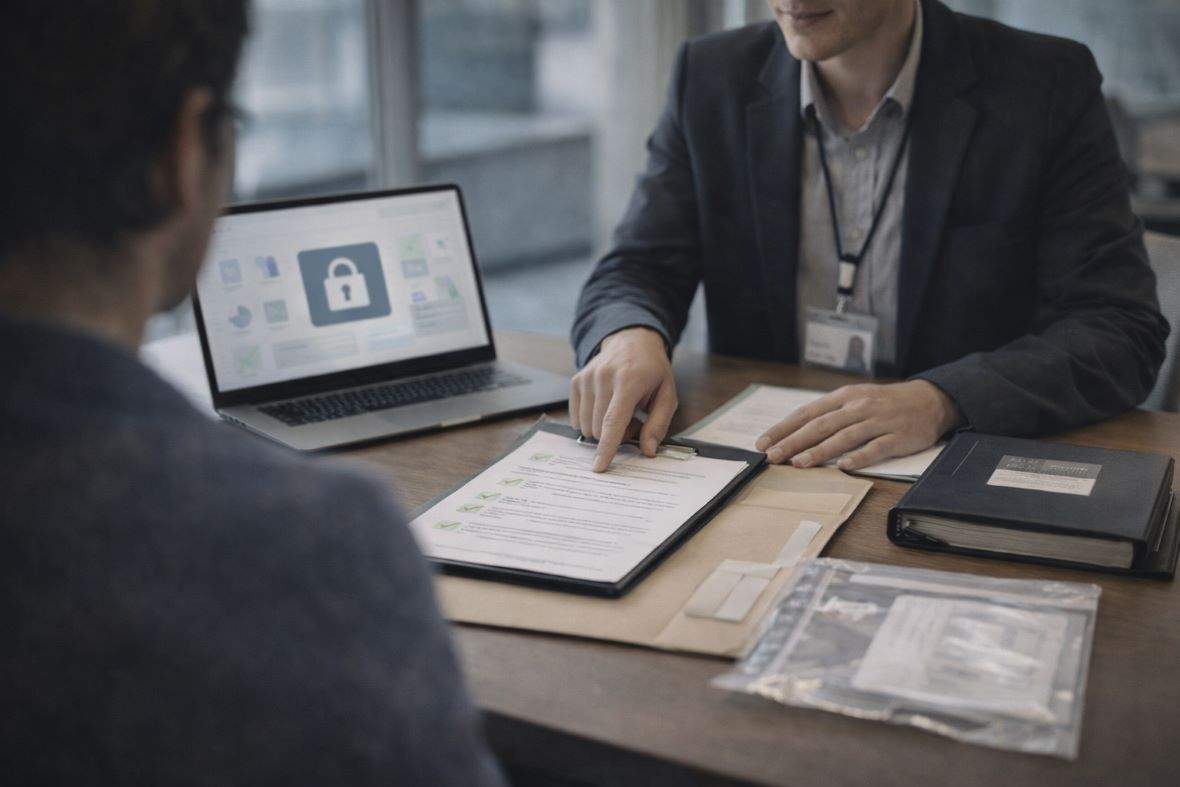
Hiring a Sydney Private Investigator is about finding someone who balances persistence with a deep respect for the law. In 2026, the risks of using “cowboy” investigators are too high.
A good PI should be able to explain, in plain English:
-
what they can do lawfully,
-
what they will not do, even if asked,
-
how they will store and protect your information,
-
and how you can verify their licence.
On data handling, privacy expectations are not just marketing language. The OAIC’s guidance under the Privacy Act sets expectations around “reasonable steps” to secure personal information and prevent misuse or unauthorised access. Investigators routinely handle sensitive information, so secure handling is part of professionalism.
Frequently Asked Questions About Sydney Private Investigators
When people consider hiring help, they often have specific scenarios in mind. The legalities can get confusing, especially when emotions are running high in a domestic or legal dispute. Here are some of the most common questions people ask about what is actually possible.
Can a Private Investigator arrest someone?
No, they cannot. A private investigator has no more legal power than you or your neighbour. They aren’t allowed to use handcuffs, they can’t pull over a car using flashing lights, and they cannot force someone to go to a police station for questioning. Their job is to observe and report, not to enforce the law. While they can technically perform a “citizen’s arrest” if they witness a violent crime or a serious felony in progress, this is extremely rare and usually discouraged by their insurance providers.
Can they follow my ex-partner if there is an AVO?
In 2026, the safety protocols regarding Apprehended Violence Orders (AVOs) are incredibly strict. If there is an active AVO or protection order in place, a licensed investigator must refuse the case. Legally, the investigator acts as an agent of the client. If the client is barred from knowing the location or activities of a protected person, the investigator cannot provide that information. Helping someone bypass a court order makes the investigator legally responsible for any resulting harm.
Are PIs allowed to peek through my trash?
This is a classic trope from old detective movies, but the reality is messy. If a trash can is inside a gated property, a porch, or even just inside the “curtilage” of a home, touching it is considered trespassing. Investigators can sometimes examine trash once it has been placed on a public curbside for collection, as it’s then considered “abandoned property.” However, many modern firms avoid this practice entirely to maintain ethical standards and avoid potential health and safety violations.
References
Australian Government. (2025). Drone privacy guidelines (PDF). Drones.gov.au. Retrieved March 2, 2026, from https://www.drones.gov.au/sites/default/files/documents/drone_privacy_guidelines.pdf
Australian Government, Office of the Australian Information Commissioner. (n.d.). Guide to securing personal information. Retrieved March 2, 2026, from https://www.oaic.gov.au/privacy/privacy-guidance-for-organisations-and-government-agencies/handling-personal-information/guide-to-securing-personal-information
Australian Government, Office of the Australian Information Commissioner. (2025, October 3). Australian Privacy Principles guidelines: Chapter 11 (APP 11) Security of personal information. Retrieved March 2, 2026, from https://www.oaic.gov.au/privacy/australian-privacy-principles/australian-privacy-principles-guidelines/chapter-11-app-11-security-of-personal-information
Australian Government, Commonwealth Director of Public Prosecutions. (n.d.). Cybercrime. Retrieved March 2, 2026, from https://www.cdpp.gov.au/cybercrime
Civil Aviation Safety Authority. (n.d.). Drone rules. Retrieved March 2, 2026, from https://www.casa.gov.au/knowyourdrone/drone-rules
Crime Commission, New South Wales. (2024, June 25). Project Hakea: Criminal use of tracking and other surveillance devices in NSW (Final report) (PDF). Retrieved March 2, 2026, from https://www.crimecommission.nsw.gov.au/hakea-final-report-25-june-2024.pdf/@@download/file
Crime Commission, New South Wales. (2024, June 25). Project Hakea media release (PDF). Retrieved March 2, 2026, from https://www.crimecommission.nsw.gov.au/media/2024-media-statements/hakea-media-release-25-june-2024.pdf/@@download/file
New South Wales Government. (1997). Security Industry Act 1997 (NSW). NSW Legislation. Retrieved March 2, 2026, from https://legislation.nsw.gov.au/view/whole/html/inforce/current/act-1997-157
New South Wales Government. (2002). Law Enforcement (Powers and Responsibilities) Act 2002 (NSW). NSW Legislation. Retrieved March 2, 2026, from https://legislation.nsw.gov.au/view/whole/html/inforce/current/act-2002-103
New South Wales Government. (2005). Workplace Surveillance Act 2005 (NSW). NSW Legislation. Retrieved March 2, 2026, from https://legislation.nsw.gov.au/view/whole/html/inforce/current/act-2005-047
New South Wales Government. (2007). Crimes (Domestic and Personal Violence) Act 2007 (NSW). NSW Legislation. Retrieved March 2, 2026, from https://legislation.nsw.gov.au/view/whole/html/inforce/current/act-2007-080
New South Wales Government. (2007). Surveillance Devices Act 2007 (NSW). NSW Legislation. Retrieved March 2, 2026, from https://legislation.nsw.gov.au/view/whole/html/inforce/current/act-2007-064
New South Wales Government. (2016). Security Industry Regulation 2016 (NSW). NSW Legislation. Retrieved March 2, 2026, from https://legislation.nsw.gov.au/view/whole/html/inforce/current/sl-2016-0557
New South Wales Police Force. (n.d.). Class 2 licences (includes Class 2E Private Investigator). Retrieved March 2, 2026, from https://www.police.nsw.gov.au/online_services/sled/security_licences/class_2_licences
New South Wales Police Force. (n.d.). CAPI licences (transition to Class 2E). Retrieved March 2, 2026, from https://www.police.nsw.gov.au/online_services/sled/capi_licences
New South Wales Police Force. (2023, May 11). SLED latest news: Security operative licence records moving to the NSW Licensing System. Retrieved March 2, 2026, from https://www.police.nsw.gov.au/online_services/sled/sled_latest_news
New South Wales Police Force. (n.d.). Verify a security licence. Retrieved March 2, 2026, from https://www.police.nsw.gov.au/online_services/sled/verify_a_security_licence
NSW Police Force. (2004). When bad things happen to your good name (identity theft brochure) (PDF). Retrieved March 2, 2026, from https://www.police.nsw.gov.au/__data/assets/pdf_file/0009/106785/brochure_identity_theft_crime_community.pdf
Service NSW. (n.d.). Check a security operative licence. Retrieved March 2, 2026, from https://www.service.nsw.gov.au/transaction/check-a-security-operative-licence
Verify NSW. (n.d.). Security industry public register. Retrieved March 2, 2026, from https://verify.licence.nsw.gov.au/home/Security