
How It Works (and What You Can Expect)
When it comes to uncovering the truth and finding answers, nothing compares to the expertise of private investigators in Sydney. With the increasing demand for trustworthy information and personal safety, whether it’s infidelity inquiries, corporate investigations, or background checks, experienced private investigators in Sydney have the skills and resources to handle complex situations. In this article, we will explore the various aspects of private investigation services available in Sydney and how they can provide you with the clarity and peace of mind you deserve.
It also has limits. Surveillance can show patterns, meetings, and movements, but it can’t read minds, force confessions, or legally access private messages. Every case is different, and the goal is clarity, not conflict, so you can decide what comes next with a steady head.
What cheating surveillance in Sydney really looks like
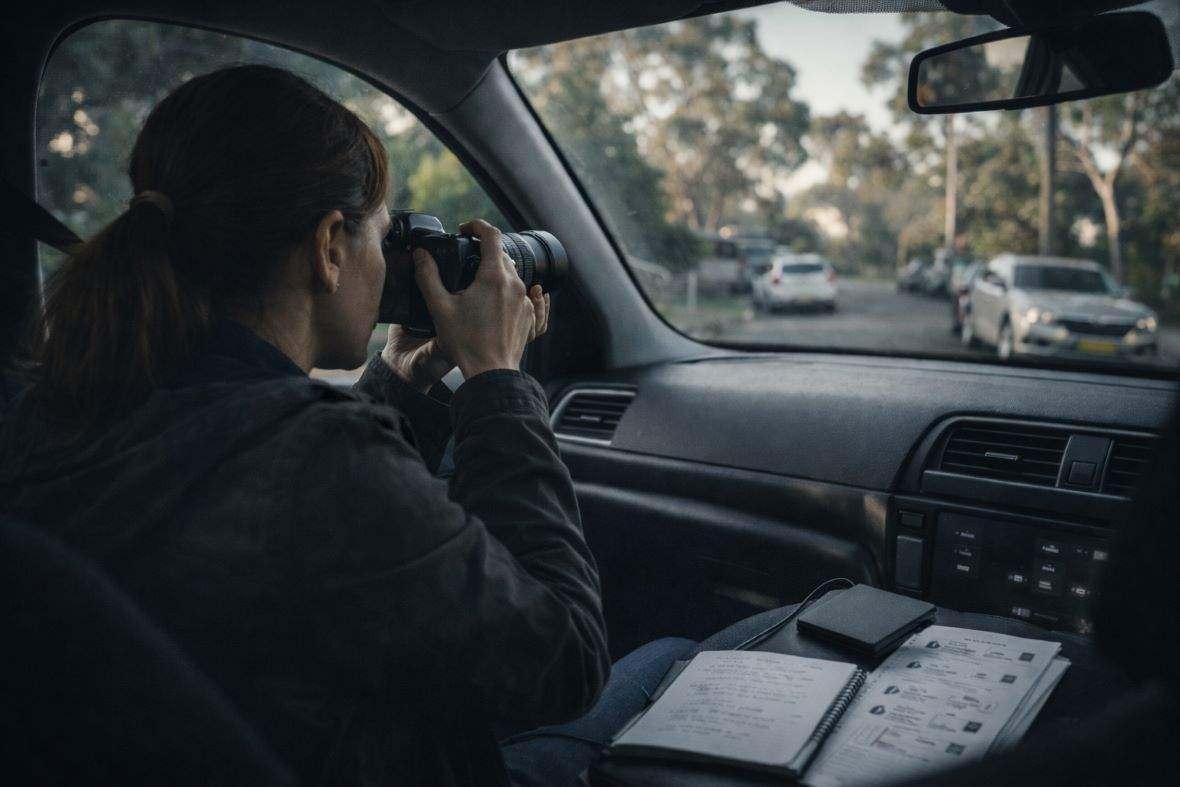
Cheating surveillance is simple in concept: an investigator observes and records lawful, visible activity to confirm or rule out a suspected relationship. In practice, it’s less like a movie and more like careful note-taking, patience, and timing.
Most infidelity surveillance focuses on patterns that can be checked against what you’ve been told:
- Regular time windows (after work, lunch breaks, gym “sessions,” weekend errands)
- Meeting points (cafes, hotels, parks, residential streets, venues)
- Time stamps that show when your partner arrived, left, and where they went next.
- Contact behaviour (who they meet, how long they stay, whether there’s physical affection in public)
In Sydney, routine matters because the city’s pace creates easy cover. Commuting delays, late client dinners, and “quick trips” can all sound normal. Surveillance cuts through the noise by answering one question: Do the actions match the story?
Why does that matter so much? Because uncertainty keeps you stuck. When you have clean, documented facts, you can stop cycling between hope and suspicion. Some people feel relieved when nothing is found, even if they still need to work on trust. Others get confirmation, and while it hurts, it ends the limbo.
If you’re still trying to identify warning signs of infidelity, it can be helpful to use a practical checklist, such as this one for spotting infidelity in Sydney. The goal is not to “catch” someone for the sake of it, but rather to gain a clearer understanding of what is actually happening.
Typical cheating case triggers that a PI hears, and what they mean

You might recognise a few of these. Each can have an innocent explanation, which is precisely why surveillance looks for repeatable patterns, not one-off moments.
- Late nights that don’t add up: It could be workload or stress, but vague details and shifting stories often signal avoidance.
- Sudden phone privacy: A new passcode might be about privacy in general, but panic when you walk into the room can suggest hiding contact.
- Changed routines without an apparent reason: People do start new hobbies, but “new habits” that appear only on certain days can be a cover.
- Unexplained spending: It might be gifts or personal splurges, but repeated charges tied to specific areas can point to meetings.
- New “work” travel: Business trips happen, but missing receipts, odd gaps, or a refusal to share basic plans can be red flags.
- Friends covering or acting strange: A friend might be staying out of it, but scripted answers and awkwardness can mean involvement.
Surveillance doesn’t judge these triggers. It checks whether they form a consistent track that you can verify.
What evidence can you usually expect from surveillance (and what you won’t)
A professional surveillance case is built around documentation you can understand quickly. You’ll often receive:
- Written surveillance logs in time order (arrivals, departures, movements)
- Time-stamped photos that show key moments and locations
- Short video clips were applicable (public interactions, meet-ups, departures)
- Vehicle details (make, model, colour, license plate where lawful and visible)
- Location notes that connect the timeline
When considering private investigation services, it’s essential to understand what you should expect from a legitimate operator. A licensed investigator will not engage in activities such as hacking phones, guessing passwords, installing illegal tracking devices, or trespassing onto private property. Instead, the focus of these services is typically on observable behaviour in public spaces rather than accessing private messages or secret recordings within someone’s home. Being clear about these boundaries can help ensure that you choose a reputable investigator who operates within the law.
How a private investigator runs a cheating surveillance case, step by step

A cheating surveillance case works best when it’s planned like a small project: clear goals, brilliant timing, and clean reporting. You’re not paying for endless hours; you’re paying for targeted observation that answers your questions.
Most cases follow a predictable path.
First, you talk through what’s been happening and what you need to know. Next, the investigator plans the most likely time windows and locations based on routine, not hunches. Then surveillance is conducted in short shifts or targeted blocks, and the results are documented with supporting media.
A simple timeline example helps set expectations:
- Weekend focus: one Saturday afternoon to evening, then a Sunday morning to midday if the behaviour tends to show up on weekends.
- Weekday pattern check: three shorter shifts, such as two weeknights and one early morning, based on “late work” claims.
Sometimes the first shift confirms nothing. That’s still a result. Other times, it shows a clear pattern, and you may choose to stop early because you already have enough clarity.
Intake and planning: goals, risk checks, and the best times to watch
In your first consult, you’ll usually share practical details, not your whole relationship history:
Who and what: your partner’s name, recent photo, vehicles used, and typical hangouts.
Routine: normal work hours, gym schedule, “regular errands,” and typical routes.
Your concerns: what changed, when it started, and which days feel most suspicious.
A good investigator also assesses risk factors, such as the likelihood of confrontation or violence, and plans with safety in mind. They choose dates and time windows that match the behaviour you described, then work to stay unnoticed.
You can help without tipping off your partner by keeping your prep quiet and normal. Don’t suddenly ask for receipts, don’t start tracking them yourself, and don’t change your own routine in a way that signals panic. Write your observations down privately, including dates and times, then share them during intake.
Surveillance in the field: staying discreet while collecting clear facts
In the field, the investigator’s job is to observe from lawful positions and record what’s visible without drawing attention. That means filming or photographing in public where it’s permitted, taking accurate notes, and keeping the timeline clean.
In some cases, a team may rotate to reduce the chance of being noticed. If your partner changes plans, the investigator adapts, but they won’t take risks that create trouble or cross legal lines. Surveillance rewards patience. One quiet hour can feel pointless, then the next ten minutes can confirm the entire pattern.
You should also expect professionalism around discretion. A serious investigator won’t share your case details casually, and they’ll avoid actions that escalate the situation at home.
After surveillance: reporting, next steps, and how you use the results
After each shift (or at the end of the planned block), you receive findings organised so you can follow them without interpretation games:
- A chronological report written in plain language
- Photos and videos are labelled by date and time
- Notes that connect movements to locations and meet-ups
Results should be delivered securely, as they are sensitive. Then you decide what to do with the facts. Many people choose one of the following steps: a direct conversation with boundaries, counselling, seeking legal advice, or practical planning for separation.
A private investigator doesn’t give legal advice. Their role is to provide reliable information, so your next move is based on evidence, not anxiety.
Final Thoughts
Cheating surveillance in Sydney works by observing lawful, public behaviour and documenting patterns that either confirm your concerns or clear them. You can expect time-stamped logs, photos, and video clips, plus a report you can follow. You should also expect firm limits, no hacking, no trespassing, and no shortcuts.
A careful plan matters because it helps replace guesswork with clarity. Gather your key details, write down your goals, and speak with a licensed professional who can tell you what’s possible in your situation. When you know what’s true, you can finally choose your next step with a steady mind.