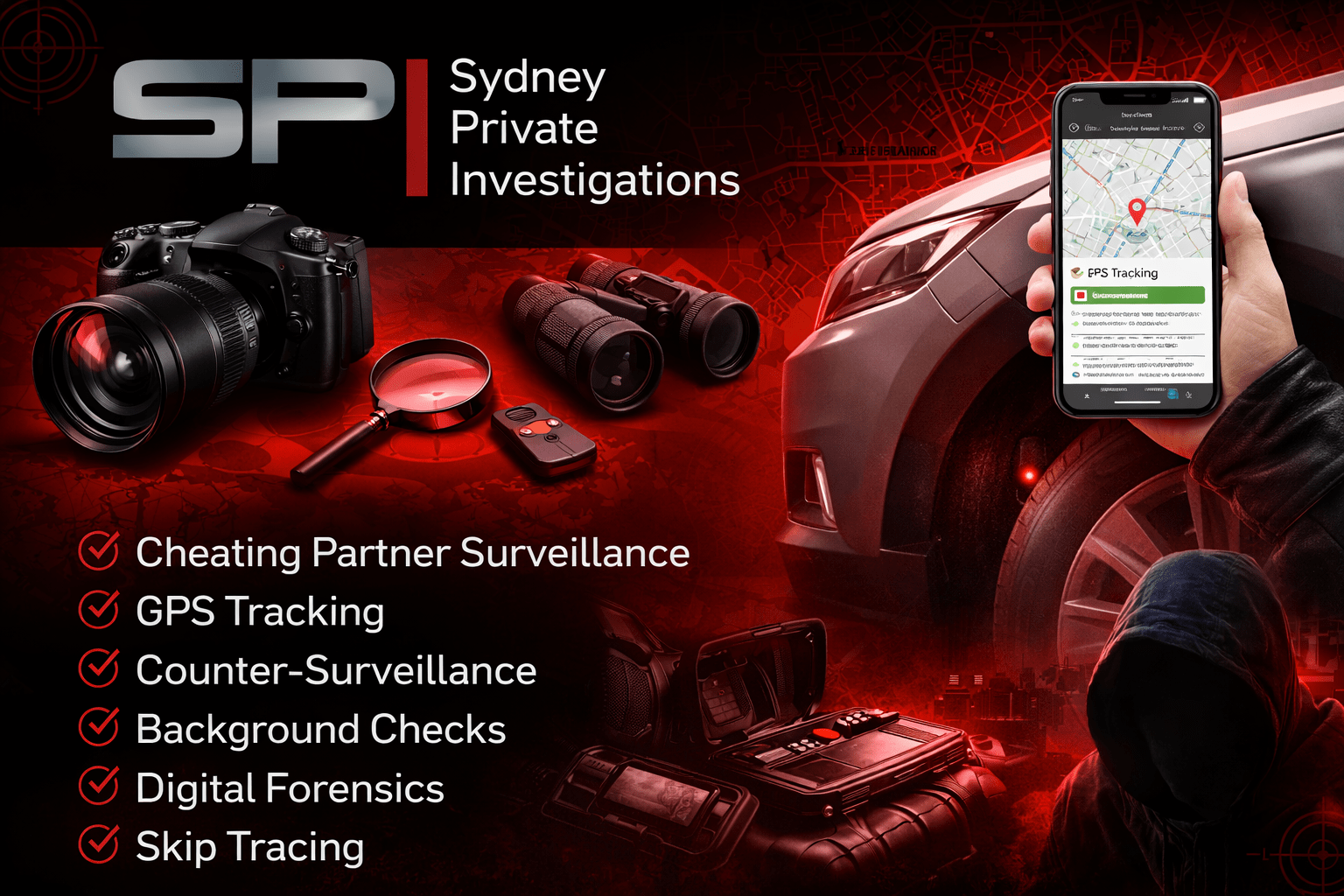
Have you ever found yourself in a situation where you needed information or evidence that was just out of reach? Private investigators often come to mind as the solution to such challenging scenarios. You might wonder, though, about private investigators prices and whether they are worth the investment. Let’s explore the services offered by private investigators, the costs associated with these services, and evaluate whether hiring one is a good decision for your specific needs.
A private investigator is a professional hired to undertake investigatory law services. These experts help individuals and businesses by providing critical information and uncovering truths.
Here are some common services they offer:
Surveillance: Monitoring a person’s activities for evidence collection.
Background Checks: Investigating someone’s history for employment or personal reasons.
Fraud Investigations: Detecting and preventing fraudulent activities in personal or corporate settings.
Missing Persons: Locating people who are missing or have gone off the grid.
Infidelity Investigations: Gathering evidence regarding suspected cheating in a relationship.
Private investigators utilize a variety of tools and methods, including public records databases, surveillance equipment, and digital forensic tools, to gather data. Though their methods are efficient, they must operate within legal and ethical boundaries, ensuring privacy and confidentiality for all parties involved.
Consider the case study of “John” who suspected his business partner of embezzling funds. By hiring a private investigator, John was able to gather undeniable evidence of the fraud, saving his company from significant financial losses.
Private investigator prices can vary significantly based on several factors:
Experience and Expertise: More seasoned investigators typically charge higher rates.
Geographic Location: Costs can vary greatly depending on the area; metropolitan areas tend to have higher rates.
Nature of the Investigation: Complex cases requiring specialized skills or equipment will cost more.
Duration and Complexity: Long-term investigations or cases involving extensive surveillance are pricier.
Here’s a detailed look at the price ranges for various services provided by private investigators:
| Service Type | Price Range (Hourly) | Flat Fee Range |
| Surveillance | $40 – $200 | $500 – $3,000 |
| Background Checks | $50 – $100 | $100 – $500 |
| Fraud Investigations | $75 – $150 | $1,000 – $10,000 |
| Missing Persons | $50 – $150 | $500 – $5,000 |
| Infidelity Investigations | $40 – $200 | $1,000 – $5,000 |
Understanding these ranges can help you prepare financially for the type of investigation you need.
Hiring a private investigator can be invaluable in personal scenarios such as:
Infidelity and Marital Issues: Gathering evidence in divorce proceedings or confirming suspicions.
Locating Missing Persons: Finding lost relatives or runaway teenagers.
Child Custody Cases: Validating the care and wellbeing of a child.
In a corporate or legal environment, private investigators can provide crucial assistance:
Corporate Fraud and Embezzlement: Detecting and recovering lost assets.
Background Checks for Hiring: Ensuring potential employees have clean records.
Legal Cases Requiring Extra Evidence: Collecting supplemental evidence to support court cases.
For example, in a business fraud case, a private investigator uncovered embezzlement by a key employee, resulting in the recovery of significant funds. In a child custody dispute, evidence gathered by an investigator helped a parent secure custody by proving the other party’s neglectful behavior.
Financially, the cost of hiring a private investigator can be offset by the benefits. Here are some examples:
Fraud Prevention and Asset Recovery: The fees paid to an investigator might pale in comparison to the monetary losses averted.
Avoiding Bad Hires: Conducting thorough background checks can prevent costly hiring mistakes.
Beyond financial benefits, hiring a private investigator can also yield significant emotional and practical returns:
Peace of Mind and Emotional Closure: Knowing the truth can provide emotional relief.
Practical Outcomes: Successful custody battles, salvaged marriages, or locating loved ones.
| Benefit | Financial ROI | Emotional/Practical ROI |
| Fraud Detection | Prevented losses exceeding fees | Peace of mind |
| Background Checks | Avoid wrong hires, save costs | Better workforce |
| Infidelity Evidence | Can influence divorce settlements | Emotional closure |
| Missing Persons | Reunification, safety | Emotional relief |
Selecting the right private investigator is crucial. Consider the following:
Certifications and Credentials: Verify their qualifications and professional affiliations.
Recommendations and Reviews: Look for testimonials and referrals from past clients.
When consulting with a private investigator, ask:
Methods and Techniques: Understand their investigative approach.
Costs and Payment Structure: Get a clear breakdown of private investigator prices.
Expected Outcomes: Discuss what you can realistically expect from the investigation.
A reputable private investigator will exhibit:
Transparency in Pricing: Clearly outline costs and avoid hidden fees.
Clear Communication and Professionalism: Responsive and professional interactions.
In summary, private investigators provide a range of services from surveillance to fraud investigations. Private investigator prices vary based on several factors including expertise, location, and the nature of the case. When the stakes are high, the investment can be justified by the potential financial and emotional returns.
Ultimately, whether hiring a private investigator is worth the price depends on your specific needs and circumstances. Weigh the costs against the benefits and, if in doubt, consult with a credible private investigator or contact us to explore your options.
Why are private investigator prices so varied?
Prices vary due to differences in experience, location, complexity, and duration of the investigation.
How long does it typically take to get results?
The time frame varies based on the nature of the investigation, but most cases are resolved within a few weeks to several months.
What should I expect from an initial consultation?
During the initial consultation, expect to discuss your needs, get a preliminary cost estimate, and understand the investigative approach.
Accessing detailed mobile phone records could reveal vital information, whether you suspect a breach of trust or need to ensure the legitimacy of a claim. Private investigators in Australia have honed their skills in uncovering hidden data that might include insight into mobile tracking, analyzing call history, and piecing together patterns that go unseen by the untrained eye. Often, these investigations are pivotal in legal disputes, insurance claims, and personal matters where transparency is key.
Consider hiring a professional if you’re determined to track a person’s activities or explore hidden mobile tracking for legitimate reasons. A seasoned private investigator can provide the expertise necessary to navigate the complex maze of data privacy laws while delivering the answers you need with precision. Keep reading to learn how a meticulous cell phone records analysis could make all the difference.
Understanding how to access your phone records effectively can be a critical step if you’re seeking to track a person vital information tied to financial transactions, business deals, or personal matters. As someone who engages regularly with clients aiming to explore hidden mobile tracking, from bank statements to telephone logs, I’ve learned a thing or two about the ropes of this process.
It’s essential to identify the legal parameters that dictate the retrieval of records to avoid stepping over the line. Private investigators are professionals adept at navigating these regulations and are equipped to assist where the gathering of such information is justified and lawful. Before you take the leap and secure the services of a private investigator from a spy shop, it’s wise to prepare; understand your needs, the potential costs involved, and the scope of the investigator’s role.
This ensures that when you’re ready to proceed, you’re doing so with an accurate understanding of what’s at stake, including the legalities that protect asset and personal information under the law.
In my professional practice, ethical considerations stand at the forefront, particularly when it involves surveillance and the analysis of mobile phone records. It is key to comprehend the intricate legal stipulations surrounding access to such data. These may encompass rules regarding the use of global positioning systems and other tracking systems embedded in mobile technology. As a private investigator in Australia, securing consent from the proper authorities is mandatory before delving into an individual’s mobile usage, ensuring that one’s right to privacy is not inadvertently violated while gathering necessary information.
In my line of work, I often assist clients by enlisting the expertise of private investigators who excel in sifting through cell phone records. Private investigators have the tools to conduct comprehensive background checks, sift through emails, and analyze data linked to vehicles and other assets with informed consent. Armed with a proper license, these professionals perform a legal analysis, ensuring that they respect individual privacy and comply with stringent legal standards.
Beginning the process of hiring a private investigator requires a clear understanding of what data you’re seeking to gather and for what purpose. If the aim is to present phone records as evidence in a court case, it’s critical to ensure that the investigator is experienced in collecting information that law enforcement and judicial systems deem admissible. Clear communication about the nature of the crime or dispute at hand will enable the private investigator to use their expertise efficiently.

Embarking on the task of accessing someone else’s phone records calls for a careful evaluation of the motives, ensuring they align with legal precedents. My experience suggests that claims of fraud, for instance, necessitate a meticulous approach to gather evidence that will stand up in court. Before initiating this sensitive process, consulting a lawyer can clarify the boundaries within which we may operate. Whether the investigation pertains to disputing employment records, proving infidelity, or examining cell phone usage connected to car accidents or other incidents, establishing the purpose and legality of the action is imperative.
Once the groundwork is laid – ethically and legally – the next critical step is to secure the services of a seasoned private investigator, someone who specializes in the nuanced domain of phone records. With well-defined objectives and explicit boundaries outlined, the investigation can advance with precision, respecting privacy and legality, while aiming to produce conclusive, actionable insights.
As we assess the need to access someone’s phone records, we must weigh it against their right to privacy. In the context of my professional duties, seeking to unravel the truth entangled in property disputes or suspicious bank account activities demands ethical discretion. Approaching such sensitive endeavors, I would collaborate with police or legal authorities to potentially obtain a subpoena, ensuring the actions are firmly anchored within the realm of legality.
In my professional experience, finding a knowledgeable private investigator with a robust background in cell phone records can make all the difference. Someone who understands the nuances of technology and the internet is essential, especially in cases as complex as divorce or child custody where communication patterns can significantly influence the outcome. Ensure you seek out an investigator who not only has experience in probing digital footprints but also presents a level of professionalism akin to that of a security guard; vigilant, discreet, and unwavering in their pursuit of evidence.
Initiating an investigation that involves mobile phone tracking demands a precise framework outlining what is to be done and how. I place high importance on making sure we’re not veering into stalking territory, which is not only unethical but illegal. By establishing clear boundaries from the outset, including what constitutes acceptable surveillance and the fee structure for the work conducted, ensures every conversation, every piece of data uncovered with the tools of investigation, adheres to the letter of the law and the client‘s explicit mandates.

Embarking on cell phone records analysis begins with an initial consultation to set expectations and discuss the client‘s objectives. During this stage, clear goals are laid out, including the specific information desired from the cell phone data. Navigating through the intricate web of electronics, databases, and mobile apps requires skill and legal knowledge, particularly to avoid unlawful practices like wiretapping. As we move forward, numerous steps unfold to decode the digital trail left on a cell phone. The tools and techniques deployed by private investigators are specialized; they enable the examination of call logs, texts, and app data while always operating within the boundaries of the law. Understanding these methods is crucial to appreciate how the gathered information forms a coherent narrative that serves the client‘s need for evidence or clarity.
The initial consultation serves as the foundation of our investigative journey, where I prioritize clear communication about the client‘s rights and the specific support they seek. My role is to provide insight into how my expertise in computer forensics may align with their objectives, whether a search warrant is necessary, and to assess the available paths for investigation based on my knowledge of digital evidence collection.
The journey through cell phone records analysis demands a meticulous process where respecting the expectation of privacy is paramount. From the initial stages, a client‘s reasons for inquiry, potentially involving marital concerns or suspicions, must be legitimized, considering both legal implications and ethical boundaries. I undertake a comprehensive review of digital communication lines, scrutinizing WhatsApp conversations or activities that transpired across the world wide web, while meticulously assessing any evidence against a person’s criminal record to ensure a fair and lawful investigation.
In some scenarios, the traditional approach of cell phone records analysis may encounter obstacles—legal barriers may render it unfeasible, running the risk of accusations such as trespass upon an individual’s privacy. Beyond this constraint, various alternative investigative techniques beckon, offering fresh avenues to collect evidence. I advise considering digital forensics—a method capable of unearthing a digital fingerprint across devices—for further insight. This specialized analysis may circumvent direct intrusion concerns, yet supporting a credit or financial fraud investigation robustly. Furthermore, the expansive role of social media and email analysis should not be underestimated. These platforms can often yield a trove of information that proves pivotal in a civil lawsuit or adds substance to a more complex legal dilemma. As we traverse these paths, a measured perspective on regulation and privacy considerations is imperative to maintain ethical standards of practice.
If a cell phone investigation hits a dead end, I cast a wider net to incorporate different methods. For instance, investigating a lease might reveal a person’s financial commitments and stability, while speaking with a local police officer can provide insights into any complaints or history of disturbances. By collecting this information legally, I piece together a subject’s pattern of behavior without overstepping privacy laws.
When confronted with limitations in accessing cell phone logs, particularly in sensitive jurisdictions, I pivot towards digital forensics as a viable alternative. This method allows me to deploy tracking software to dissect credit card usage and related financial activities without needing direct installation on a device or access to the associated telephone number. This advanced approach effectively unearths data trails while circumventing conventional investigative constraints.
In my years of conducting investigations, I have increasingly leveraged the investigative potential of social media and email. These telecommunications avenues are often rife with personal data and can illuminate aspects of a subject’s life that are relevant to my case, from habits to associations that might border on felony involvement. Though there is an inherent risk in handling such sensitive information, my adherence to jurisdiction-specific privacy laws ensures the integrity of my investigations remains firmly intact.

In my quest to provide meticulous and undeniable evidence for my clients’ pressing matters, identifying a private investigator attuned to the subtleties of cell phone records analysis becomes paramount. It’s crucial that they not only boast a keen eye for detail but also come equipped with legitimate credentials attesting to their expertise, particularly in cases as delicate as insurance fraud. I ensure that any advertising pertaining to their services accurately portrays their skills, including proficiency with the latest forensic software, which is often critical to the search for truth. Moreover, I insist on comprehensive discussions around privacy, confidentiality, and legality before any contractual arrangements are made, to guarantee that all data recovered during the investigation is meticulously documented and remains protected throughout the process.
In selecting a private investigator, I ensure they express an unwavering professionalism akin to that of a seasoned prosecutor—meticulous, ethical, and deeply versed in legal protocol. The expert I’d partner with must unequivocally denounce practices such as pretexting and harassment, upholding the highest standards of the investigation industry. Additionally, proficiency in interpreting evidence, perhaps even experience with polygraph examinations, further solidifies their suitability to manage sensitive cell phone records analysis with the finesse and discretion required.
A proven approach to authenticating the qualifications of a private investigator involves using your web browser to search for their digital footprint, including their presence on professional directories and social media. Evaluating their online profiles and websites for testimonials and case histories can send a strong signal of their proficiency in cell phone records analysis. Furthermore, contacting references who can witness to their capabilities enhances your assurance of their expertise.
Before I bring a private investigator on board, I make it a priority to hold a thorough discussion about privacy, confidentiality, and the legality of our actions. I’ll typically ask for their email address to maintain direct communication channels, which aids in fostering transparency about behavioral investigation techniques they’ll employ. My insistence on privacy extends to a careful review of their FAQ section, often gauging their approach to sensitive information handling, while ensuring their procedures comply with the law and that they have experience liaising with law enforcement officers. Lastly, an understanding of how they incorporate technology into their work without infringing on privacy rights is key to establishing a trusted partnership.
As we venture deeper into the complexities of private investigations, remember, the challenges vary greatly depending on the situation. Whether it’s locating an estranged spouse who’s slipped away without a trace or unraveling the intricacies of your professional past, the rigorous process remains similar. Companies often require detailed background checks to safeguard against internal theft, and the same level of scrutiny can help you track down a parent or missing person in Sydney, where vast landscapes can make such searches particularly challenging. The digital age heightens these complexities with its labyrinth of encryption, making online investigations a critical piece in gathering comprehensive intelligence. I’m here to guide you through these investigative scenarios with diligence and a commitment to uncovering the truth.
Tracking down an estranged spouse can be a sensitive ordeal, one that might compel you to seek the aid of a law firm skilled in family matters within Australia. After all, capturing the needed evidence, whether it be through SMS communications or visual proof obtained by camera, requires sound knowledge of criminal justice principles and a strategic approach. My professional advice centers on ensuring that any investigative methods employed fall within legal bounds while still striving to deliver the clarity my clients need.
In the digital age, online investigations have become a cornerstone of assembling a criminal investigation, especially when wealth or substantial assets are involved. The internet is rife with data trails that can lead to a warrant or arrest, with tools that can unveil patterns indicative of domestic violence or other illicit activities. As a seasoned investigator, I harness these digital avenues to bolster my cases, tapping into a well of information that was once unreachable in times past.
Examining digital footprints linked to wealth and assets
Utilizing online data to support the issuance of warrants
Identifying digital indicators of domestic violence for arrest efforts
Incorporating internet trails in comprehensive criminal investigations
Hiring a knowledgeable private investigator for cell phone records analysis is essential for acquiring legally admissible evidence while respecting privacy laws. Clear communication of your needs and understanding of legal procedures ensures the investigator can efficiently gather and interpret the data. With the right expertise, these professionals navigate the complexities of digital forensics to provide clear insights into a subject’s communications. Before contracting their services, it’s vital to verify their credentials, discuss confidentiality, and confirm their adherence to legal and ethical standards.
Breaking up with someone you love is a heart-wrenching decision that can feel overwhelmingly complex. Not only are you dealing with your emotions, but you also need to consider the feelings of your partner. This post aims to provide you with a detailed roadmap for navigating this difficult period with compassion and clarity.
Before you decide to break up, it’s crucial to determine whether your issues are temporary or permanent. Miscommunications and minor disagreements are often resolvable, but significant trust issues and incompatible life goals can be dealbreakers.
Persistent Unhappiness: Are you consistently unhappy despite your efforts to improve the relationship?
Broken Trust: Is there a breach of trust that you can’t seem to repair?
Irreconcilable Differences: Do you have fundamental differences in values or future plans?
Understanding the psychological stages of a break up can prepare you for the emotional journey ahead.
Denial: Refusing to accept the reality
Anger: Feeling frustration and resentment
Bargaining: Trying to negotiate for a different outcome
Depression: Acknowledging the loss and feeling sadness
Acceptance: Coming to terms with the breakup
Before breaking up, take the time to reflect on your decision. Journaling your thoughts and feelings can provide clarity. Seeking advice from trusted friends or even a private detective can help you gather additional perspectives.
Avoid public places. Opt for a calm and quiet environment where both of you can speak freely and privately without distractions.
Breaking up via text is generally not recommended, but there are exceptions such as long-distance relationships or safety concerns. If you must break up via text:
Be Clear and Direct: Avoid ambiguity
Be Compassionate: Acknowledge their feelings
Provide Closure: Explain your reasons succinctly
When you break up, it’s essential to be honest while still being compassionate. Avoid blaming your partner and focus on how you feel. Use “I” statements to express your feelings without making accusations.
“I feel that we’re growing apart and it’s affecting my happiness.”
“I believe we both deserve to be with someone who is more aligned with our values and goals.”
Be clear about your decision to break up and avoid giving false hope. Ambiguity can make the breakup process more painful for both parties.
Be prepared for a range of emotional responses. It’s crucial to give them space to process their feelings and respect their need for distance or immediate answers.

Engage in activities that bring you joy and peace. This is a crucial part of the healing process.
| Activity | Benefits |
| Journaling | Helps process emotions |
| Exercising | Releases endorphins, reduces stress |
| Meditation | Promotes mental clarity |
| Hobbies | Distracts and engages the mind |
Lean on friends and family for support. Avoid social isolation, as it can exacerbate feelings of loneliness and sadness.
Sometimes, a small token can help provide closure. Breaking up gifts should be simple and thoughtful, such as a letter or a memento that holds sentimental value. Avoid extravagant gifts, as these can send mixed signals.
Forgiveness is crucial for healing. This includes forgiving yourself for any perceived shortcomings and forgiving your ex-partner to release any lingering resentment.
Rediscover your passions, set new goals, and rebuild your self-confidence. This is a vital part of moving on emotionally and mentally.
Learn from your past relationships to build healthier ones in the future. Set new boundaries and communicate your needs clearly.
It’s normal to experience emotional setbacks. Accept these feelings as part of the healing process and seek support if needed.
Navigating mutual friendships can be tricky. Discuss boundaries with friends to avoid uncomfortable situations.
If you have shared financial responsibilities or children, create a plan to manage these aspects amicably. Sometimes consulting a professional like a private investigator Sydney can help resolve contentious issues more smoothly.
Breaking up with someone you love is undoubtedly a challenging experience, but taking the time to handle it with care can make the process more bearable for both parties. Remember, tough decisions often pave the way for personal growth and future happiness.
Did you know that nearly 85% of employers in Australia perform background checks as part of their hiring process? In today’s competitive job market, both employers and potential employees must understand the integral role that background checks play. From ensuring a safe workplace to verifying employment history, background screening is a crucial step that benefits both parties. In this post, we dive into what a background check for employment entails, its importance, legal aspects, and much more.
A background check is a comprehensive review of a candidate’s history by an employer to confirm their suitability for a role. These checks help employers verify the authenticity of a candidate’s credentials and look into any aspects of their past that might be relevant to their professional responsibilities.
A robust background check typically includes the following elements:
| Component | Description |
| Criminal History |
Checks for any past criminal activities. |
| Employment History |
Verifies previous job roles and tenure. |
| Education Verification |
Confirms educational qualifications. |
| Financial Records |
Includes credit checks when relevant. |
| References |
Considers insights from personal and professional references. |
| Social Media Profiles |
(Optional) Reviews public social media activities. |
Background checks help mitigate the risk of fraud by verifying the credentials and past activities of candidates. This plays a pivotal role in preserving a company’s integrity and maintaining trust.
Ensuring a safe working environment is indispensable for any organization. Conducting thorough background checks minimizes the risk of hiring individuals with a history of violent or harmful behavior.
Completing background checks ensures compliance with the legal obligations set forth in Australia. Adhering to these regulations not only safeguards an organization’s reputation but also builds a trustworthy brand image.
Fair Work Act: Outlines the general rights and responsibilities between employers and employees.
Privacy Act: Regulates the collection, use, and storage of personal information.
In Australia, background checks are regulated by several laws to ensure they are conducted fairly and ethically:
| Regulation | Description |
| Fair Work Act |
Governs the employment relationship framework ensuring fair practices. |
| Privacy Act |
Protects personal information, requiring employers to obtain consent before conducting checks. |
Consent Requirements: Employers must obtain written consent before conducting background checks.
Accuracy of Information: Employees have the right to dispute inaccurate information.
Dispute Resolution: Mechanisms are in place for resolving discrepancies.
Employers must:
Obtain explicit consent from the candidate.
Ensure the accuracy of the report.
Comply with all relevant laws and regulations.
A thorough criminal history check can reveal any prior criminal activities, including arrests, charges, and convictions.
These checks are crucial for verifying that the details provided by the candidate regarding their previous work background are accurate and truthful.
Educational qualifications are verified to ensure the candidate possesses the claimed credentials.
Though not always required, financial background checks can be pertinent for roles involving financial responsibilities.
Certain industries may require additional specific background checks:
| Industry | Additional Checks |
| Healthcare |
Checks for any disciplinary actions and certifications. |
| Education |
Working with Children Check (WWCC). |
| Finance |
Financial history and credit rating. |
Gather Consent: Obtain written consent from the candidate.
Choose a Reputable Service: We recommend Sydney Private Investigations for thorough background checks.
Collect Relevant Information: Gather all necessary data such as Full Name, Date of Birth, and Address.
Conduct the Checks: Run the checks depending on the industry and role.
Review the Results: Carefully review the report for any red flags.
Make an Informed Decision: Base your hiring decision on a comprehensive evaluation of the findings.
Ensure transparency with your candidates.
Use reliable background check services such as Sydney Private Investigations.
Maintain and follow a consistent policy for all hires.
Incomplete or Inaccurate Information: Sometimes reports can have errors.
Time and Cost: Thorough background checks can be time-consuming and expensive.
Invasion of Privacy: Properly conducted background checks respect privacy.
Irrelevance for Certain Roles: Every role benefits from verifying an employee’s background to some extent.
Use reputable and dependable services.
Double-check all obtained information.
Communicate openly with candidates about the process.
Sydney Private Investigations are experts in conducting comprehensive background checks and employment screenings in Australia. Our team specializes in delivering accurate, timely, and legally compliant checks.
Private Investigation Surveillance
Enhanced Accuracy
Thoroughness
Compliance with Legal Norms
Website: Sydney Private Investigations
Phone Number: 1300 309 661 (24 hrs)
Background checks are an essential part of the hiring process in Australia. By understanding and properly conducting these checks, employers can create a safer, more reliable workplace while ensuring compliance with legal requirements. For the most accurate and thorough background screening, consider partnering with experts like Sydney Private Investigations.
Ready to ensure you make the right hire? Contact Sydney Private Investigations for reliable and thorough background checks.
Private investigation is a field that combines skill, intuition, and increasingly sophisticated technology. The right spy gear can significantly enhance a private detective’s ability to gather evidence, analyze data, and solve cases efficiently. In Australia, the landscape of private investigation is evolving rapidly, and staying updated with the latest surveillance gear is crucial.
This post delves into the essential spy tools used by private detectives in Australia, ranging from audio surveillance devices to forensic software. We will explore their applications, legal considerations, and future trends. By the end, you will have a comprehensive understanding of what comprises an effective spy kit for the modern investigator.
Private detectives in Australia undertake various tasks, including:
Infidelity investigations
Corporate espionage detection
Missing persons search
Fraud and theft investigations
Private detectives must adhere to the Telecommunications Interception and Access Act 1979 and the Privacy Act 1988. These laws govern the legal boundaries of audio and visual surveillance, ensuring that private investigations do not infringe on individuals’ privacy rights.
Ethical considerations include:
Respecting privacy
Avoiding conflicts of interest
Gaining informed consent where necessary
Audio Surveillance
High-Quality Microphones and Audio Recorders: Essential for capturing clear audio. Look for features like noise reduction and long battery life.
Wireless Transmitters: Useful for real-time listening from a distance.
Legalities of Audio Surveillance in Australia: Ensure compliance with local laws to avoid penalties.
Visual Surveillance
Hidden Cameras: Options include button cameras, pen cameras, and clock cameras.
Drones: Equipped with cameras for aerial surveillance.
Night Vision Capabilities: Essential for low-light conditions.
GPS Trackers
Types: Real-time vs. passive trackers.
Applications: Used for tracking vehicles and personal belongings.
Legal Implications: Must inform the owner if placing on a personal item.
Computer and Mobile Device Monitoring
Spyware and Keyloggers: Useful for gathering information on digital activities.
Legal Guidelines: Always ensure the software adheres to Australian privacy laws.
Forensic Software
Types of Software: For data recovery and analysis.
Uses: Crucial in cyber investigations and recovering lost data.
Database Access
Public Records Databases: Access vital for background checks.
Social Media Investigation Tools: Useful for tracking digital footprints.
| Feature | Importance | Example Products |
| Clarity | Captures clear audio | Sony ICD-UX570 Recorders |
| Range | Covers wide areas | UHF Wireless Microphones |
| Battery Life | Long hours of operation | Tascam DR-40X |
Miniaturization and Concealment: Ensures the camera is not easily detectable.
High-Definition and Low-Light Capabilities: For capturing detailed footage in various lighting conditions.
Legal Restrictions on Drone Use: Must comply with Civil Aviation Safety Authority (CASA) regulations in Australia.
Durability and Battery Life: Must withstand harsh conditions and last long.
Accuracy: Should provide precise location details.
Court Admissibility: Ensure the GPS data is legally admissible in court.
| Feature | Importance | Popular Tools |
| Data Recovery | Retrieve lost or deleted files | Cellebrite, FTK Imager |
| File Decryption | Crack encrypted files | Passware Kit Forensic |
| User-Friendly Interface | Ease of use | Magnet AXIOM |
Overview of Relevant Legislation
Telecommunications Interception and Access Act 1979 and Privacy Act 1988 are two pivotal laws that private investigators must adhere to when using surveillance gear.
Telecommunications Interception and Access Act 1979: Governs the interception of communications.
Privacy Act 1988: Ensures the protection of personal information.
Consequences of Illegal Surveillance
Violating privacy laws can lead to severe penalties, including fines and imprisonment. For private investigators, non-compliance can result in losing their licenses.
Industry Best Practices
Ethical guidelines recommend:
Transparent operations
Prioritizing the client’s interests while respecting privacy
Balancing Investigative Needs with Ethical Considerations
Investigators should always balance their need to gather information with respecting individuals’ privacy and legal restrictions.
Predictive Analytics in Investigations
AI can analyze patterns in data to predict future events, enhancing traditional investigative methods.
Enhancing Traditional Surveillance Methods
AI-powered tools can provide more accurate results, from facial recognition to voice identification.
Facial Recognition
Used in identifying suspects or persons of interest through surveillance footage.
Voice Recognition
Voice patterns can be matched against databases to identify individuals.
Smart Home Devices as Surveillance Tools
Smart home gadgets, like voice assistants and security cameras, offer new avenues for surveillance.
Security Implications and Potential Loopholes
However, these devices also pose security risks if not properly secured.
Private detectives in Australia rely on a plethora of essential spy gear to conduct successful investigations. From audio surveillance to forensic software, each tool plays a crucial role. Staying updated with legal standards and ethical guidelines is equally important to avoid repercussions. As technology advances, private investigators must continue learning and adapting to maintain their edge.
Explore further, stay informed, and consider professional advice when choosing your spy kit. Remember, legit spy gear ensures compliance with legal standards and provides reliable results.
Imagine finding out your partner has been unfaithful; it’s a heart-wrenching experience that leaves many individuals questioning, “Why do men cheat?” Infidelity has been a complex issue for centuries, affecting relationships across all walks of life. This blog post aims to unpack the myriad of factors contributing to male infidelity, providing a thorough understanding of why affairs happen.

Evolutionary Biology: One perspective hinges on evolutionary biology, suggesting that men are biologically hardwired to spread their genes as a survival mechanism. Historically, this theory posits that men may have sought multiple partners to increase their odds of passing on their genes.
Societal Norms: Cultural norms have also played a significant role. Historically, men have often been afforded more leniency regarding multiple relationships. From polygamous societies to male-dominated cultures, societal norms have sometimes endorsed or at least tolerated male infidelity.
The perception and consequences of cheating can differ drastically across cultures. For instance:
Western Societies: Cheating is generally stigmatized and often leads to relationship breakups or divorces.
Eastern Societies: Some cultures may turn a blind eye, particularly if the man is fulfilling his duties as a provider.
Middle Eastern Societies: In some cases, men having multiple wives may be culturally accepted but extramarital affairs are highly taboo.
Men with low self-esteem often seek external validation. A cheating husband may engage in affairs to feel more desirable or competent.
Unmet emotional needs can drive men to cheat. This could include feeling unappreciated, neglected, or emotionally disconnected from their partner. When these needs aren’t met within the relationship, men might seek fulfillment elsewhere.
Sex addiction or other compulsive behaviors can lead men to cheat. These behaviors can stem from underlying psychological issues that need addressing through professional counseling.
Poor communication can create misunderstandings and distance within a relationship. If a man feels he cannot communicate effectively with his partner, he might be more prone to seeking solace in someone else.
Sexual dissatisfaction is another common reason why guys cheat. Differences in libido, sexual preferences, or frequency can lead men to seek sexual fulfillment outside the relationship.
Emotional drifting in long-term relationships can make men feel isolated. An emotional connection with someone new can lead to infidelity.

The modern workplace and digital platforms have made it easier for men to cheat. Workplace affairs and online infidelity through social media or dating apps are increasingly common.
Men are more likely to cheat if they feel they can get away with it. A perceived lack of consequences can make cheating seem like a risk worth taking.
Social circles play a crucial role. If a man’s friends are engaging in infidelity, he might feel pressured or justified to do the same.
Certain personality traits can make men more prone to cheating. Traits like narcissism, impulsivity, and lack of empathy often correlate with infidelity.
Checklist of Risk Factors:
Previous history of cheating
Pattern of risky behavior
Thrill-seeking tendencies
Differences in values and moral compasses can contribute to why men cheat. If a man values sexual freedom more than monogamy, he may be more likely to engage in affairs.
Movies, TV shows, and music often glorify or trivialize infidelity. These portrayals can shape societal attitudes, making cheating seem more acceptable.
The ease of connecting with others via social media can facilitate cheating. Platforms like Facebook, Instagram, and dating apps provide ample opportunities for secret relationships.
Economic stress or success can influence behavior. Financial instability might lead a man to seek escape, while economic success might give him the means and opportunity to cheat.

Infidelity has a profound emotional impact on both parties involved. The cheater often feels guilt or shame, while the partner experiences betrayal and emotional pain.
Cheating erodes trust within the relationship. Rebuilding trust is a long and challenging process, often requiring professional help.
Potential Outcomes:
Reconciliation: Some couples manage to rebuild their relationship.
Continuous Problems: Others might stay together but face ongoing issues.
Breakup: Many relationships end following infidelity.
Enhancing communication is crucial. Partners should openly discuss their needs and feelings to prevent misunderstandings and emotional drifting.
Professional help can be invaluable. Couples therapy can address underlying issues, while individual counseling can help manage compulsive behaviors.
Steps for rebuilding trust include:
Open and honest communication
Setting boundaries
Consistency in actions
Seeking professional guidance
Case Study 1: John, a 40-year-old businessman, sought external validation due to his ongoing struggles with self-esteem, leading to multiple affairs despite loving his wife.
Case Study 2: Mark and Lisa faced emotional disconnection after 15 years of marriage. Mark’s infidelity was a cry for emotional intimacy, which they eventually addressed through couples therapy.
“Men often cheat not because they don’t love their wives, but because they are seeking something they feel they are missing in their lives,” says Dr. Jane Smith, relationship expert.
Understanding why men cheat requires looking at various factors—psychological issues, relationship dynamics, opportunity, and individual predispositions. By addressing these underlying issues, couples can work towards stronger, healthier relationships.
For those seeking further information: