
Hiring a private investigation agency often feels stressful. You usually reach this point during sensitive, perhaps difficult, times in your life or business. Whether you suspect financial fraud, need evidence for a sensitive court matter, or require deep background checks, you need clarity and absolute professionalism.
Finding a trustworthy and skilled private investigation agency isn’t just about searching online. It means carefully vetting experts who can handle your case discreetly and effectively, gathering the necessary facts without crossing legal boundaries. This guide walks you through the steps to secure a reliable private investigation partner, ensuring you make an informed choice during a critical time.
Understanding the Role of a Private Investigation Agency
Before you begin your search, it’s essential to understand precisely what a professional private investigation firm does. They are trained, licensed professionals who specialise in gathering facts, evidence, and intelligence through legal and ethical means. They operate within strict legal limits, unlike what you might see in movies. Their primary role is to provide you or your legal counsel with documented, verifiable information. This evidence must stand up in court.
A reputable agency focuses on gathering factual evidence. They don’t offer emotional support or engage in illegal activities like wiretapping or hacking into private accounts. If an investigator promises methods that sound too easy or involve breaking privacy laws, walk away immediately. Your goal is legal proof, not compromising your case. You need an agency with expertise in research, surveillance, and documentation to protect your interests.
Essential Services Reliable Private Investigators Offer
Reliable private investigators specialise in several crucial areas, offering specific skills to match your needs. Your situation likely falls into one of these commonly required service areas.
Deep Background Checks: For business or personal matters, comprehensive background checks go far beyond simple online searches. Investigators can trace sophisticated financial histories, verify employment and educational claims, and uncover criminal records or litigation history that may not be public record. These detailed reports are essential before hiring senior staff or entering high-stakes business partnerships.
Gathering Evidence for Civil Cases: This includes collecting facts for matters such as financial fraud, locating hidden assets, and gathering evidence related to marital and pre-litigation disputes. Investigators document activities, conduct interviews, and provide surveillance reports, all of which are crucial to civil court proceedings. They focus on establishing patterns of behaviour or financial trails necessary for your lawyer.
Corporate Investigation: Businesses frequently rely on private investigation firms to manage internal threats. This might include investigating internal theft, fraud schemes, or workers’ compensation fraud. A skilled PI can quickly and discreetly identify losses and collect proof needed for internal accountability or criminal prosecution.
How to Vet a Private Investigation Agency: The Checklist for Clients

Choosing the right agency requires diligence. You are entrusting them with sensitive personal or business information. Careful vetting ensures you hire a competent, ethical, and legally compliant firm. This process is your first line of defence against choosing an unreliable provider.
Verify licensing, insurance, and legal compliance to help the audience feel confident they are choosing a trustworthy, competent agency.
In almost every jurisdiction, a reliable private investigation agency must hold an active state or local license. Never hire an investigator who cannot immediately produce their license number. You can often verify this status with the appropriate state regulatory board. Licensing ensures they have met minimum training standards and have passed their own background checks.
Just as critical is liability insurance. Ask the agency for proof of their liability insurance coverage. Insurance protects you and helps you out if something goes wrong during the investigation, such as an investigator accidentally damaging property or facing legal challenges related to their work. Furthermore, the agency must demonstrate a strong commitment to complying with all local, state, and federal privacy laws in conducting its work. Legal evidence is useless if obtained illegally.
Assess experience and specialisation to help the audience feel assured they are selecting an agency with the right expertise for their case.
Experience matters profoundly, but specialisation is often more critical. You need to ask about the agency’s specific track record with cases identical or highly similar to yours. For instance, inquire, ‘How many financial fraud cases have you handled in the last year?’ A PI who focuses primarily on personal surveillance might lack the accounting expertise necessary for a complex financial fraud case.
Ask these questions:
- How long has the agency been in business?
- What specific training do their staff receive, particularly in areas like digital forensics or financial tracing?
- Look for a firm whose depth of experience matches the complexity of your needs.
If they specialise in business services and you require detailed background checks for hiring, that alignment offers confidence.
Emphasise transparency and clear communication to make the audience feel confident and reassured about the agency’s professionalism.
Transparency in methods and communication is a hallmark of a professional private investigation agency. While they cannot reveal tactics that would compromise an investigation, they should be willing to discuss their general methodology. They should set clear expectations about how they will report information back to you.
Avoid any agency that promises guaranteed results, as no reputable investigator can predict an outcome. They only guarantee their effort and adherence to ethical standards. Be wary if they are vague about costs, refuse to provide regular updates, or ask for strange payment arrangements. Your initial consultation should establish a clear communication plan that outlines how often you’ll receive data and in what format.
| Vetting Criteria | What to Ask the Agency | Why It Matters to You |
| Licensing | “Can I see your active state license number?” | Confirms legal authorisation and minimum competency. |
| Insurance | “What is your liability coverage, and can you provide proof?” | Protects you against potential liabilities during the investigation. |
| Specialisation | “How many cases like mine have you handled in the last year?” | Ensures they have the specific expertise your case requires. |
| Reporting | “How often will I receive updates, and in what format?” | Guarantees clear, timely communication and documented evidence. |
Secure the Agreement: What Your Contract and Fees Should Cover

Moving forward requires a signed service agreement. This legal document protects both parties and eliminates misunderstandings about costs, scope, and reporting. Treat the contractual stage as seriously as the investigation itself.
Understanding the Cost Structure of Private Investigators
Private investigators generally charge in one of three ways. First is the hourly rate, typical for cases requiring unpredictable time, such as surveillance. Second, they may request a retainer fee, a lump-sum payment made upfront against which the hourly rate is charged. Third, services like simple background checks or asset searches often carry a flat fee for a defined report.
Always demand a detailed, written estimate before the work starts. This estimate should itemise potential expenses, such as travel, filing fees, specialised equipment rental, and database access costs. Do not automatically choose the cheapest option; lower prices often reflect reduced effort, questionable legal practices, or a lack of proper insurance. Quality investigative work requires time and skilled resources.
Key Elements to Include in the Service Contract
The written contract must be comprehensive. It shouldn’t be a generic template but a document tailored to your specific case. Ensure these non-negotiable points are included and spelled out clearly:
- Defined Scope of Work- Exactly what the investigator is authorised to do, focusing on specific targets, areas, or questions. This prevents mission creep and unexpected bills.
- Clear Reporting Schedule and Format- Specifies when, how often, and in what format you will receive reports (e.g., written, photographic, video).
- Confidentiality Clauses- Guarantees that the investigator will protect your identity, the details of the case, and their findings from unauthorised disclosure.
- Rules for Contract Termination- Defines the conditions under which either you or the agency can end the agreement, including how unused retainers or fees will be handled.
Setting Clear Goals and Expectations
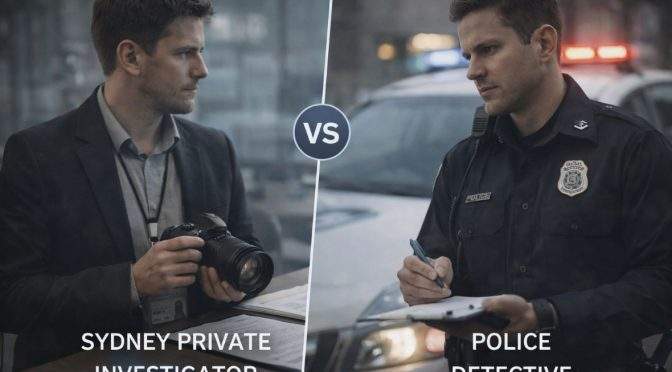
Before signing, be specific about your needs. Are you looking for proof of residence or a comprehensive search of global assets? Manage your expectations regarding a PI’s capabilities. Remember, private investigators are information gatherers. They cannot make arrests, confiscate property, or compel testimonies like law enforcement.
Discuss the realistic limits of their authority and how they ensure the evidence they gather will be admissible in court if litigation is involved. Sometimes an investigation might not yield the desired result, but you still pay for the time and effort expended. A professional PI will manage this expectation honestly, focusing on finding the truth, regardless of where it leads.
Choosing the right private investigation agency is the most critical step toward a successful outcome. You’ve learned the importance of verifying credentials, demanding clear and comprehensive contracts, and prioritising expertise over the lowest price. Always ensure the agency is fully licensed and insured, specialises in your type of case, and maintains high standards of legal compliance and communication. Start your search now, armed with this knowledge, ensuring you select a partner committed to securing the verified evidence you need.
Frequently Asked Questions
What are the specific costs associated with hiring a private investigator?
The costs of hiring a private investigator can vary widely depending on factors such as location, case complexity, and the investigator’s experience. Typically, you might expect to pay an hourly rate plus additional fees for expenses such as travel, surveillance equipment, or report generation. Some investigators may also offer flat rates for specific services.
How long does the typical investigation process take?
The duration of an investigation can vary significantly depending on the scope of the case. A straightforward case might take a few days to a week, while more complex investigations could take several weeks or even months. It’s essential to discuss timelines with the investigator during the initial consultation to set realistic expectations.
What qualifications or certifications should one look for in a private investigator?
When searching for a private investigator, look for relevant qualifications, such as a license (if required in your state), field experience, and certifications from recognised organisations (such as the National Association of Legal Investigators or the American Society for Industrial Security). Additionally, a background in law enforcement, legal services, or intelligence can be beneficial. Always check references and reviews before making a hiring decision.