Last updated:
Surveillance is not the first answer to every suspicion. In Sydney, it makes sense only when there is a clear issue to verify, the information matters to a real decision, and the plan stays inside NSW law. That matters because private investigators in NSW are licensed under the Class 2E private investigator category, workplace surveillance is regulated separately, and NSW surveillance law also restricts listening, optical, tracking, and data surveillance devices.
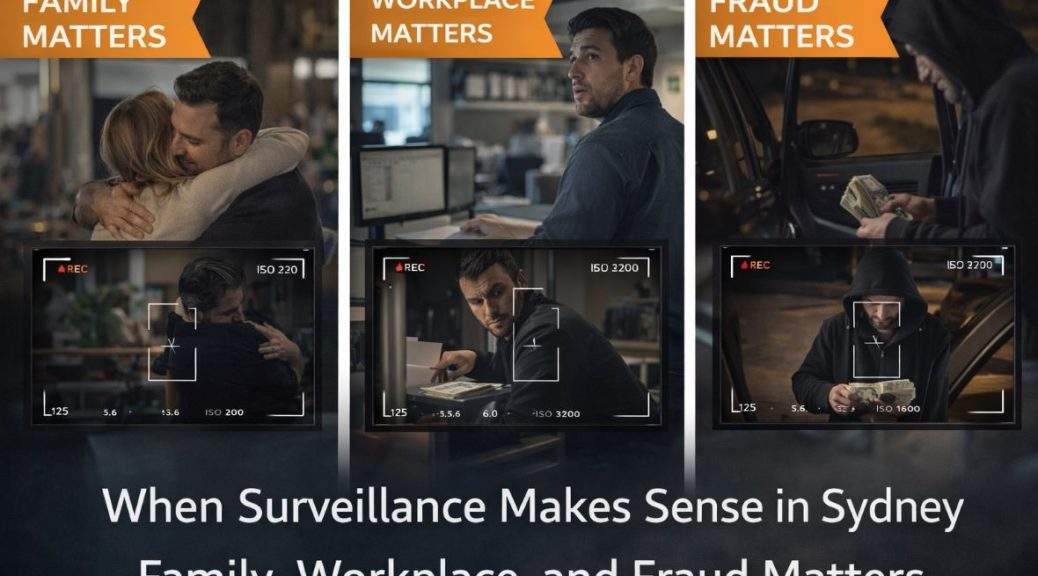
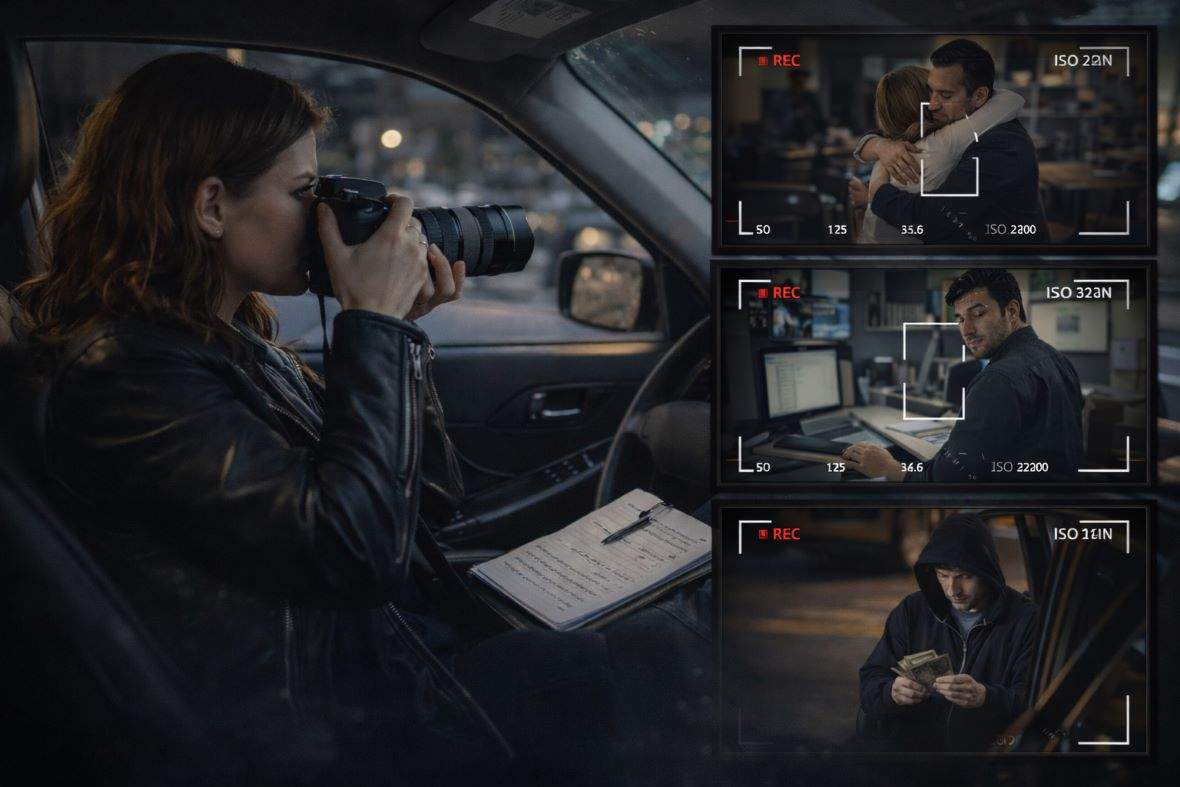
In workplace matters, surveillance usually makes sense when the allegation is serious and ordinary management records are insufficient. Fair Work lists theft and fraud as examples of serious misconduct, so an employer dealing with unexplained stock loss, suspected time theft, internal fraud, or repeated policy breaches may need independent fact-finding rather than relying on assumptions. But in NSW, employers generally cannot just start watching staff without notice. The Workplace Surveillance Act states that surveillance of an employee must not commence without prior written notice, usually at least 14 days beforehand, and that camera surveillance also requires visible signage.
As a practical rule, workplace surveillance makes sense when:
- there is a specific allegation to test, not just a vague dislike of an employee
- the issue affects safety, theft, fraud, or serious misconduct
- records, access logs, rosters, or stock data already suggest a real pattern
- the employer is prepared to follow NSW notice and signage rules before relying on surveillance evidence (Fair Work Ombudsman).
In fraud matters, surveillance makes sense when the business already has objective warning signs and needs to verify how the loss is happening. The ACFE’s 2024 fraud reporting indicates that asset misappropriation is the most common form of occupational fraud, and that proactive data monitoring helps organisations detect fraud faster and reduce losses. That means surveillance should usually support an existing fraud inquiry rather than replace basic control checks. If refunds, stock adjustments, overtime, or after-hours access already look wrong, surveillance can help confirm whether the pattern reflects real misconduct or a process failure. (Association of Certified Fraud Examiners)
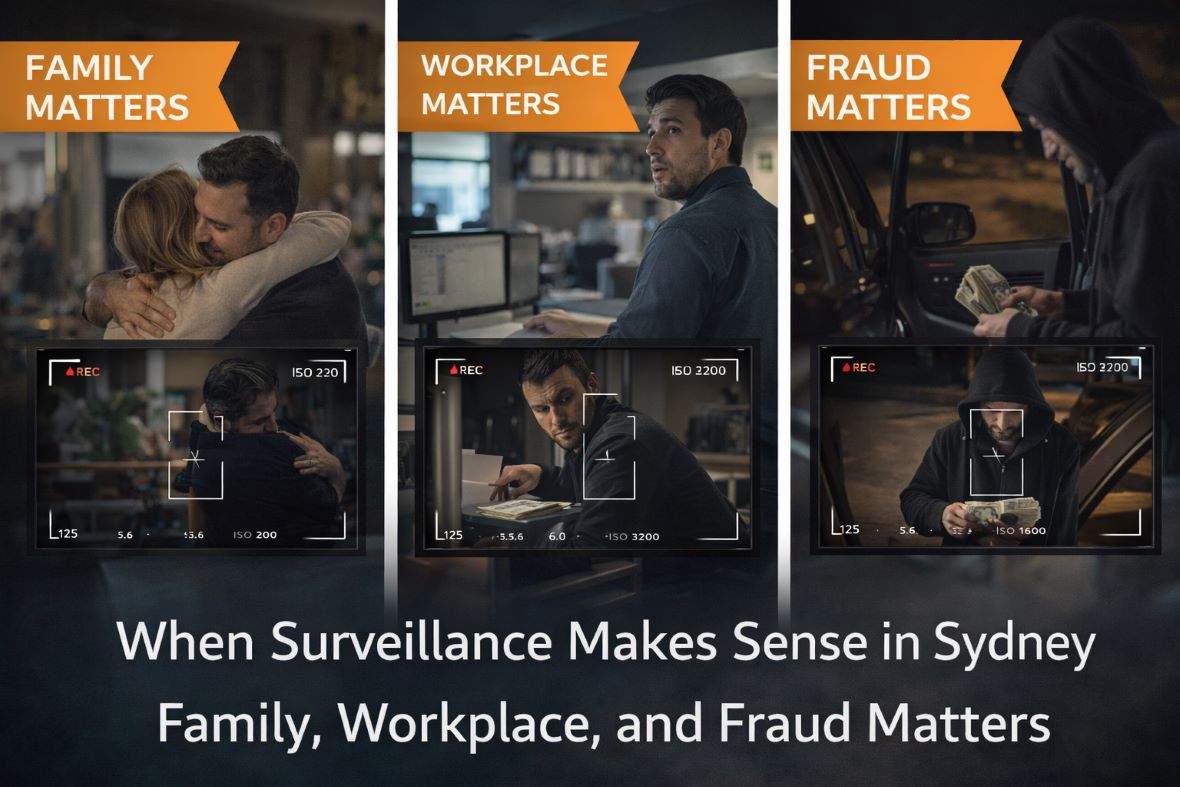
In family matters, surveillance makes sense only when there is a narrow fact that genuinely matters to the case or the decision ahead. The Federal Circuit and Family Court of Australia says that affidavits are the primary means of presenting facts to the Court, and it also emphasises the duty of disclosure in both parenting and financial matters. So surveillance is most useful when it helps verify something specific, such as living arrangements, repeated conduct relevant to parenting concerns, or behaviour linked to disputed financial disclosure. It makes much less sense when it is being used to feed conflict, satisfy curiosity, or gather material with no clear legal or practical purpose.
Just as important is when surveillance does not make sense. NSW surveillance law creates offences for certain unlawful uses of listening, tracking, and optical surveillance devices, and it also restricts the possession of records obtained unlawfully. NSW Police also notes that offences under Part 2 of the Surveillance Devices Act can affect a private investigator’s licence status. So if the idea involves hidden trackers, covert audio in private conversations, or improvised “DIY spying,” that is usually the point to stop and get proper advice instead of escalating. (NSW Legislation)

Written by Rob Jones, Senior Investigator at Sydney PI. Rob works on surveillance, background checks and locate cases across Sydney and NSW. Sydney PI is run by GORA Investigations Pty Ltd, NSW Master Licence 412080174.