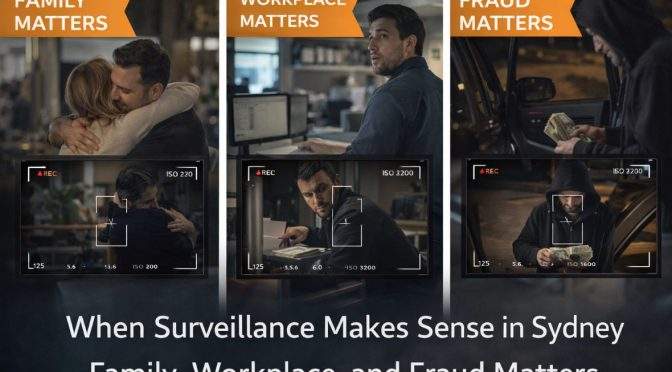
In many Hollywood movies, a Private Investigator seems to possess magical powers. They might kick down doors, hack into top-secret servers, or plant bugs in high-end offices without a second thought. However, life isn’t a blockbuster film. In the real world, these professionals must navigate a complex web of legal boundaries and privacy protections. While they have the training to find what others miss, they don’t have a “license to break the law.”
In fact, a professional must be more careful than the average person to avoid criminal charges or losing their career. Understanding these boundaries is important for anyone considering their services. It ensures the evidence collected is actually useful and that the search for the truth doesn’t turn into a legal nightmare for everyone involved.
Where Does a Private Investigator Draw the Line Between Public and Private?
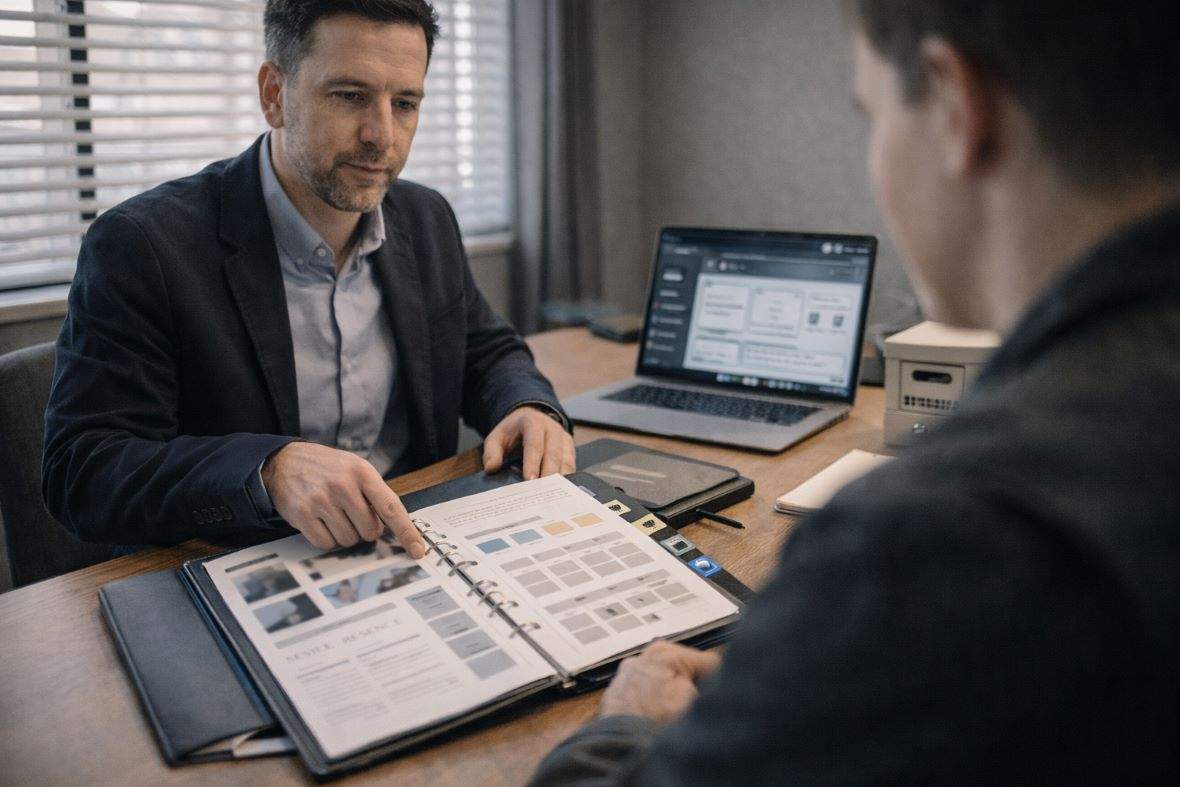
The golden rule of investigative work is the “reasonable expectation of privacy.” This legal standard determines where an eye can look and where it must turn away. Basically, if a person is in a spot where the general public can see them, they usually don’t have a legal expectation of total privacy. A Private Investigator is perfectly within their rights to watch someone walking through a park, sitting on a public bench, or driving down a main road. In these settings, anyone passing by could see the same thing.
However, the moment the subject enters their home, the rules shift dramatically. An investigator cannot lean a ladder against a house to peek through second-story bedroom curtains. They cannot use high-tech thermal imaging or directional microphones to “see” or “hear” through walls. Even a private backyard with a high fence is generally considered a private space. If an investigator uses a drone to hover over a secluded patio, they are likely overstepping. The law treats these intimate spaces as sacred. Breaking that barrier doesn’t just produce tainted evidence; it can lead to charges of invasion of privacy or stalking.
The Limits of Surveillance and Following Someone in Public
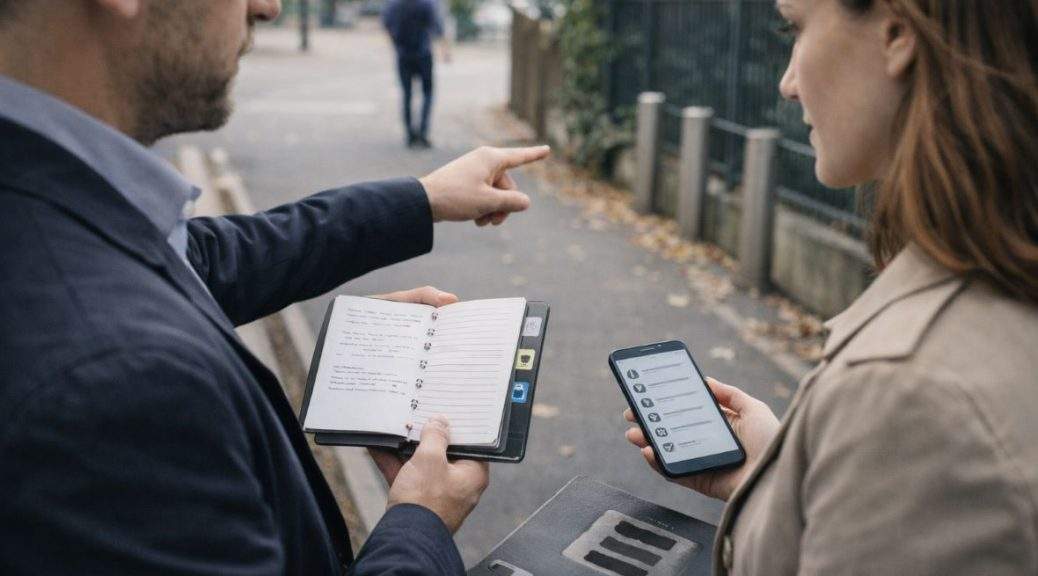
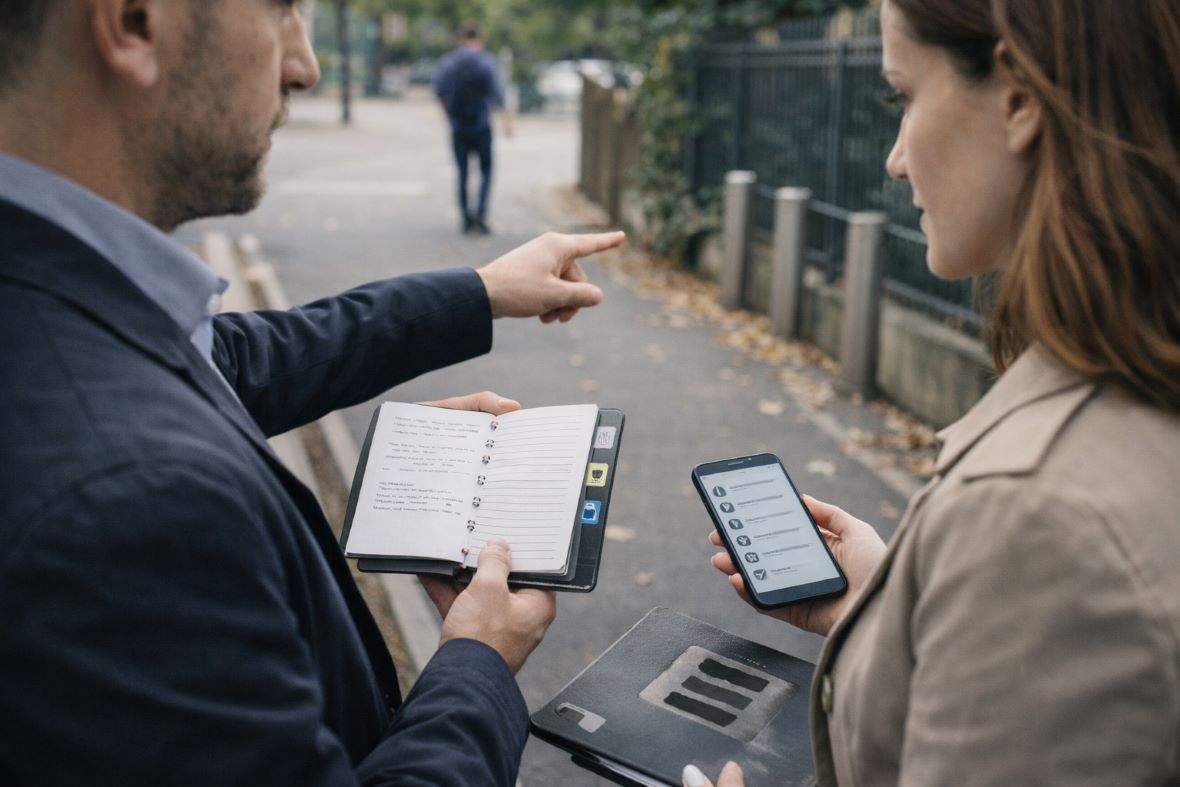
Following a person, often called “tailing,” is a standard part of the job. As long as the subject is on public streets or in businesses open to the community, the investigator is usually in the clear. Still, there is a fine line between observing and harassing. If the investigator makes their presence known to intimidate or scare the subject, they cross into the category of stalking. Most states have strict rules that classify aggressive following as a crime. A professional knows that their job is to be a ghost, watching from a distance without interfering with the subject’s day.
Why Trespassing and Hacking Are Strictly Off Limits
Some people mistakenly believe a PI license works like a “get out of jail free” card. This simply isn’t true. Entering a gated yard without permission or slipping through an unlocked back door is trespassing, plain and simple. Digital boundaries are just as firm. Trying to guess a password for an email account or using spyware to log keystrokes is a violation of federal law. If an investigator hacks into a private phone or computer, they risk a permanent ban from the industry and potential prison time. Physical and digital locks are there for a reason, and a PI must respect them.
Federal and State Statutes That Protect Your Personal Data
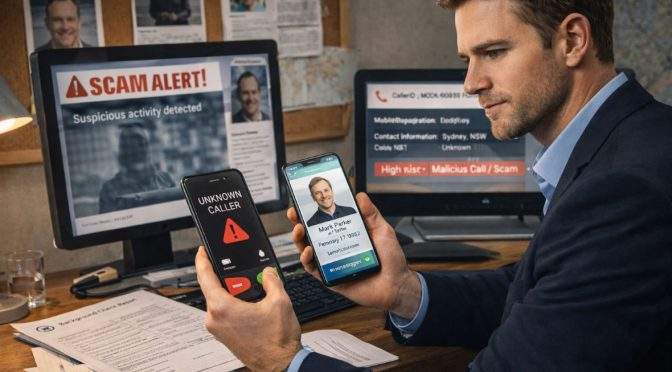
Privacy is protected by a heavy-duty layer of federal and state laws. Statutes like the Driver’s Privacy Protection Act (DPPA) and the Gramm-Leach-Bliley Act (GLBA) prevent unauthorised access to sensitive files. For example, a Private Investigator cannot simply call the DMV to get your home address or call a bank to see your balance. They must have a specific, legally documented reason to access any non-public data. In states like California, the California Consumer Privacy Act (CCPA) adds even more protection, forcing anyone who handles data to be transparent and secure.
The private investigator’s legal authority ensures that personal information is handled with care. New updates in 2026 have made these rules even tighter. Investigators are now often treated as “data brokers,” meaning they must delete your personal information once a case ends. They can’t keep a permanent library of your secrets. If they obtain data through “pretexting”, lying about who they are to get information, they can face massive fines. These laws exist to ensure your private life stays private, unless there is a serious legal need for the truth to come out.
The Truth About Recording Conversations and Wiretapping
Audio recording is one of the most dangerous areas for an investigator. The rules depend heavily on whether you are in a “one-party” or “two-party” consent state. In many places, like California, it is illegal to record a private conversation unless every single person involved knows and agrees. Bugging a phone or hiding a microphone in a flowerpot is a federal crime. If a PI records audio illegally, the recording is useless in court. Most professionals will take written notes about what they heard instead, as this is a legal way to document their findings without breaking wiretapping laws.
Protecting Rights During an Investigation
In the end, privacy is a fundamental right that doesn’t disappear just because someone is being investigated. The laws governing the industry are designed to balance the need for truth with the right to be left alone. A professional Private Investigator Sydney knows how to operate within these lines to deliver high-quality results that hold up in court. By following the legal limits of private investigations, they protect themselves and their clients from unnecessary risk.
When you need answers, hiring a licensed professional is the only way to ensure the work is done ethically. They understand that shortcuts like hacking or trespassing aren’t just wrong; they’re self-defeating. A legitimate search for the truth relies on patience, skill, and a deep respect for the law. If you’re looking for information, always choose an investigator who values the rules as much as the results. This keeps the process clean, the evidence valid, and your reputation intact.
Answers to Common Questions About Investigator Authority
Myths about the industry are everywhere, mostly thanks to TV dramas. It’s important to clarify what these professionals can and cannot do on a typical workday.
Can a Private Investigator legally arrest someone?
Despite what happens on-screen, a PI does not have the same powers as a police officer. They cannot pull you over or put you in handcuffs just because they think you’re up to no good. In some places, they might use a “Citizen’s Arrest,” but this is extremely risky. In California, for example, they have no more arrest power than a regular person at the grocery store. If they witness a serious crime, their first and only move should be to call the police.
Is there a difference between a Private Investigator and a Detective?
The difference is mostly down to the title used by the state. In the public eye, “detective” often refers to a member of the police force. In the private sector, the official term in many jurisdictions, including California, is Private Investigator. While some people use the terms interchangeably, the license will usually say “Private Investigator.” Regardless of the name, the licensing requirements remain high to ensure the person is qualified and ethical.
Are they allowed to look through my trash for evidence?
Surprisingly, the answer is often yes. This is known as the “curbside rule.” Once you put your trash out on the sidewalk for collection, the law generally considers it “abandoned property.” Since you’ve discarded it, you no longer have a reasonable expectation of privacy regarding its contents. An investigator can legally pick up those bags and search them for receipts, letters, or other evidence. However, if the trash is still sitting next to your house or inside a closed garage, it is off-limits.
REFERENCES:
Australian Government. (2014). Privacy Act 1988 (Cth). Federal Register of Legislation. https://www.legislation.gov.au/
Office of the Australian Information Commissioner. (2025). Australian Privacy Principles guidelines. https://www.oaic.gov.au/privacy/australian-privacy-principles-guidelines
Office of the Australian Information Commissioner. (n.d.). Notifiable Data Breaches scheme. https://www.oaic.gov.au/privacy/notifiable-data-breaches
NSW Government. (2026). Surveillance Devices Act 2007 (NSW). NSW Legislation. https://legislation.nsw.gov.au/
Victorian Government. (2025). Surveillance Devices Act 1999 (Vic). Victorian Legislation. https://www.legislation.vic.gov.au/