Sydney Private Investigators: Equipment Used in Modern Investigations. Sydney private investigators using modern investigation equipment and lawful technology to gather evidence and support cases.

Sydney Private Investigators: Equipment Used in Modern Investigations

Sydney Private Investigators: Equipment Used in Modern Investigations. Sydney private investigators using modern investigation equipment and lawful technology to gather evidence and support cases.
Sydney Private Investigators: Equipment Used in Modern Investigations

When you picture a private investigator, it’s easy to imagine spy-movie gadgets. In real life, Private Investigator Equipment is mostly about recording clear facts, safely, and in a way that stands up to scrutiny. If you’re hiring Sydney Private Investigators (or you’re simply curious about how the job works), it helps to know what tools are familiar, what’s specialist, and what’s off-limits.

It’s common to wonder, “Do private investigators really use spy gadgets?” or “Is PI equipment high tech, or mostly basic tools?” In real life, private investigator equipment is far less dramatic and far more practical. The focus is on recording clear facts safely and legally, in a way that can be explained later without question.

You’ll see how equipment supports day-to-day fieldwork, from planning and observation to file handling and reporting. You’ll also learn why legal and ethical limits shape the gear that can be used in Sydney and across NSW. The best kit doesn’t replace judgment; it supports strong notes and clean evidence, not shortcuts.

What Private Investigator Equipment includes (and what it doesn’t)

Private Investigator Equipment is any lawful tool you use to observe, document, and preserve information. The goal isn’t to “catch” someone with tricks. The goal is to collect reliable facts that can be explained later, in plain language, with supporting records (notes, photos, timestamps, and context).

A lot of the most valuable items are basic. A notebook and a charged phone can matter more than an expensive device if your documentation is sloppy. At the same time, some cases require specialised camera setups, better low-light performance, and secure file storage.

It’s also important to know what this equipment does not allow you to do. A private investigator isn’t the police. You can’t force entry, you can’t impersonate law enforcement, and you can’t illegally intercept private communications. If a tool requires breaking the law to “work,” it doesn’t belong in professional practice.

It’s just as important to understand limits. Investigators aren’t police. They can’t force entry, impersonate officers, or illegally intercept private communications. If a tool only works by breaking the law, it doesn’t belong in professional practice. This is where people often ask, “What investigation equipment is legal in NSW?” and “What equipment are private investigators not allowed to use?” The answer always comes back to legality, consent, and privacy boundaries.

If you want a practical overview of common categories, this Australian private investigator equipment guide is a helpful reference for what’s available in the market (and why legality matters).
Sydney Private Investigators: Equipment Used in Modern Investigations. Sydney private investigators using modern investigation equipment and lawful technology to gather evidence and support cases.

Everyday carry tools that help you document the basics

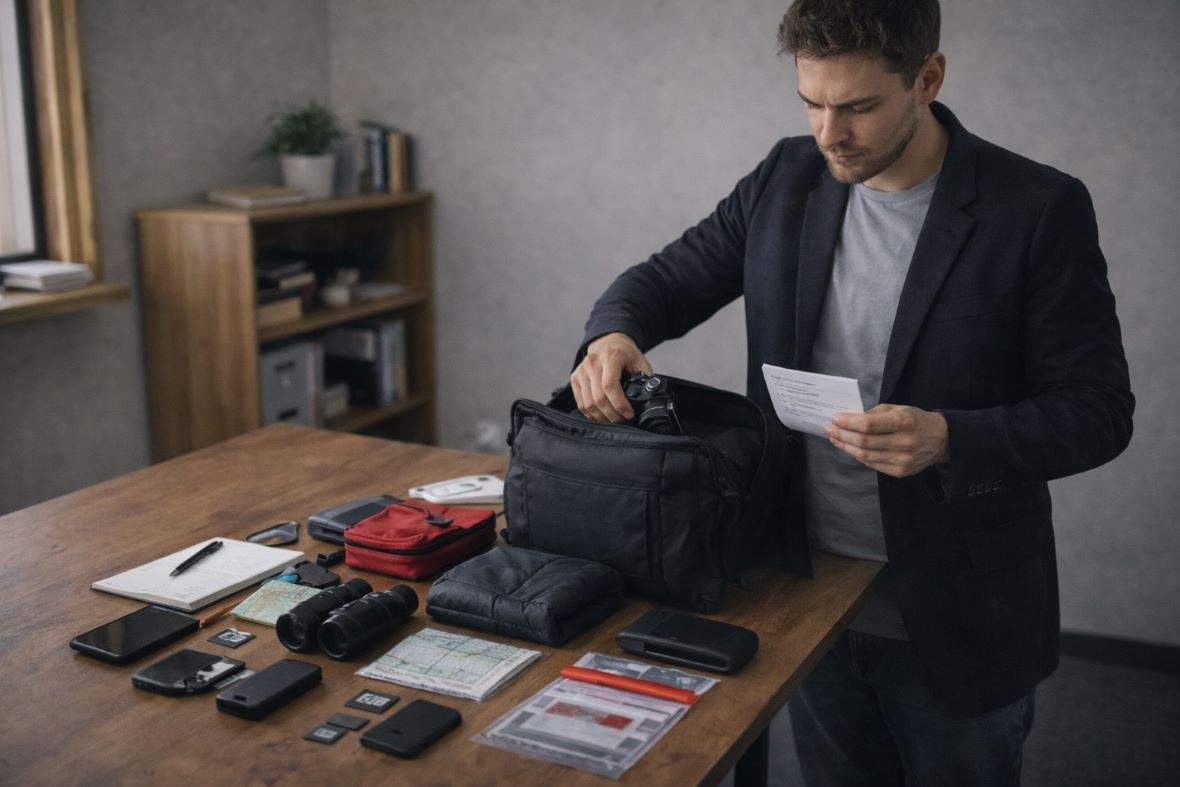
Your everyday tools are the difference between “I think this happened” and “Here’s what I saw, when, and where.”

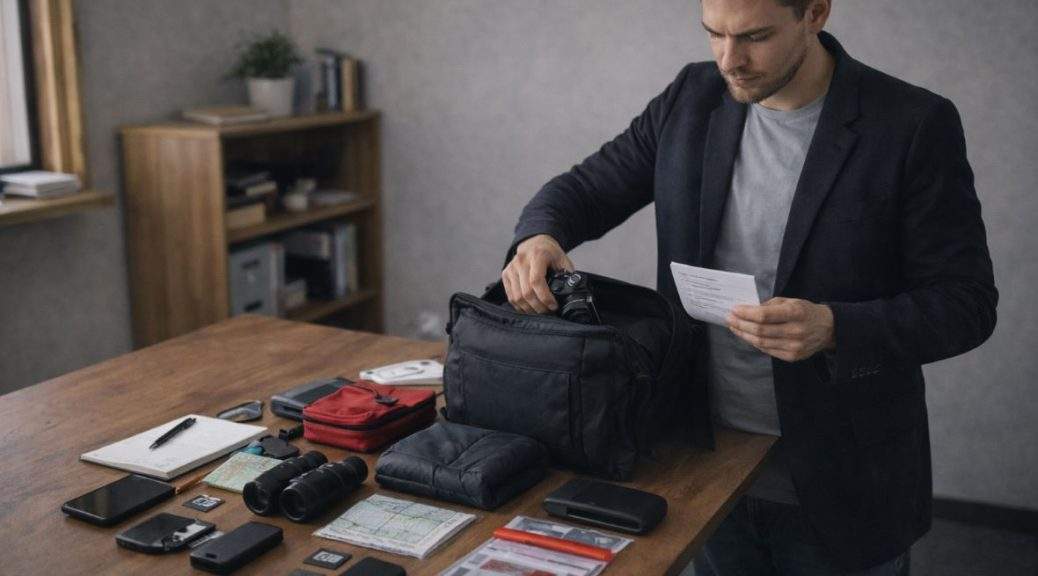
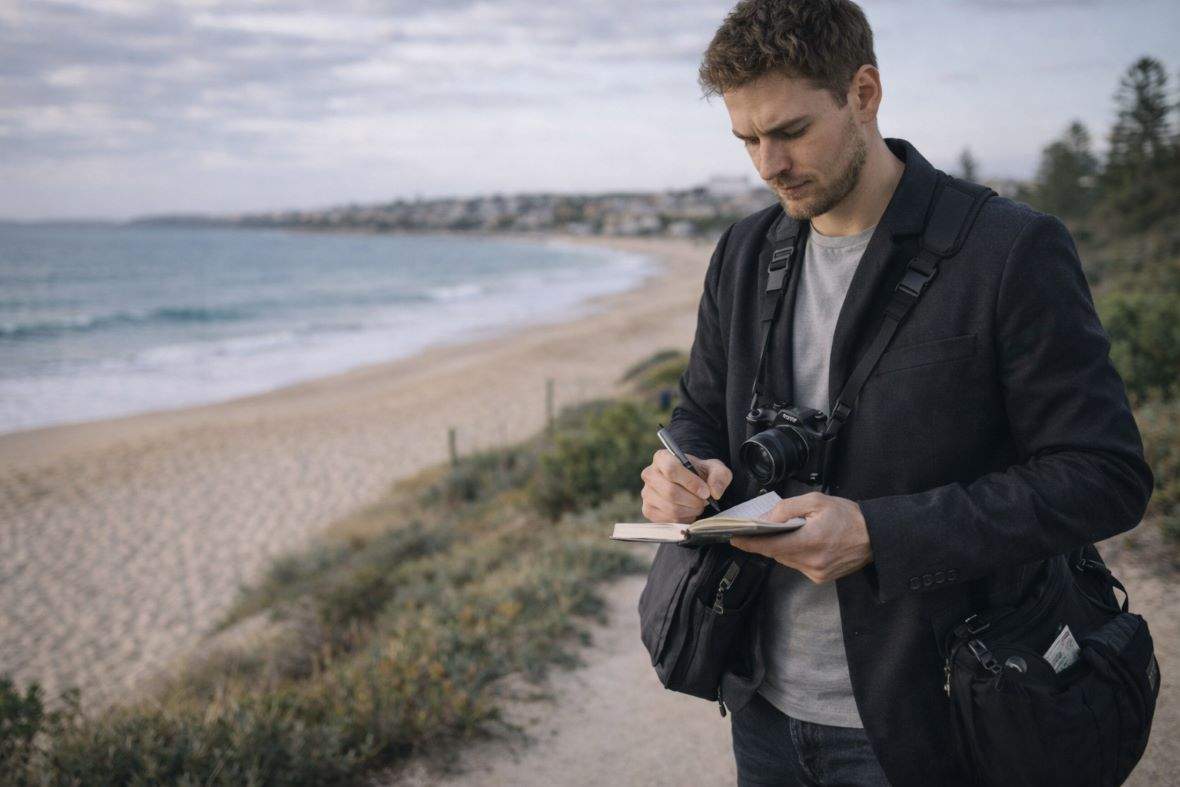
  • Notebook and pen: You use them to log times, locations, descriptions, and quick sketches. Notes made in the moment are harder to dispute later.
  • Phone (with a portable charger): You rely on it for time checks, navigation, quick photos (when appropriate), and communication. A dead battery can end a job early.
  • Maps and route planning: GPS is great until it isn’t. Having a simple map view and multiple routes helps you avoid rushed decisions.
  • Binoculars: Useful for safe observation from a distance, reducing the urge to move closer and risk exposure.
  • Flashlight: Helps you stay safe, read plates or signage, and manage gear without fumbling.
  • Basic first aid and weather gear: These aren’t “investigation” items, but they keep you functional, which keeps your observations accurate.
  • Simple camera: Sometimes a basic camera is more consistent than a phone, with better zoom and clearer images for reports.

The habit that ties all of this together is consistency: you write what you saw, you mark the time, and you don’t “fill in” gaps later.

Specialist tools used for surveillance and evidence capture

Sydney Private Investigators: Equipment Used in Modern Investigations. Sydney private investigators using modern investigation equipment and lawful technology to gather evidence and support cases.

Specialist tools help when basic gear can’t deliver a clear result, such as a long-distance shot, a low-light scene, or a fast-moving subject.

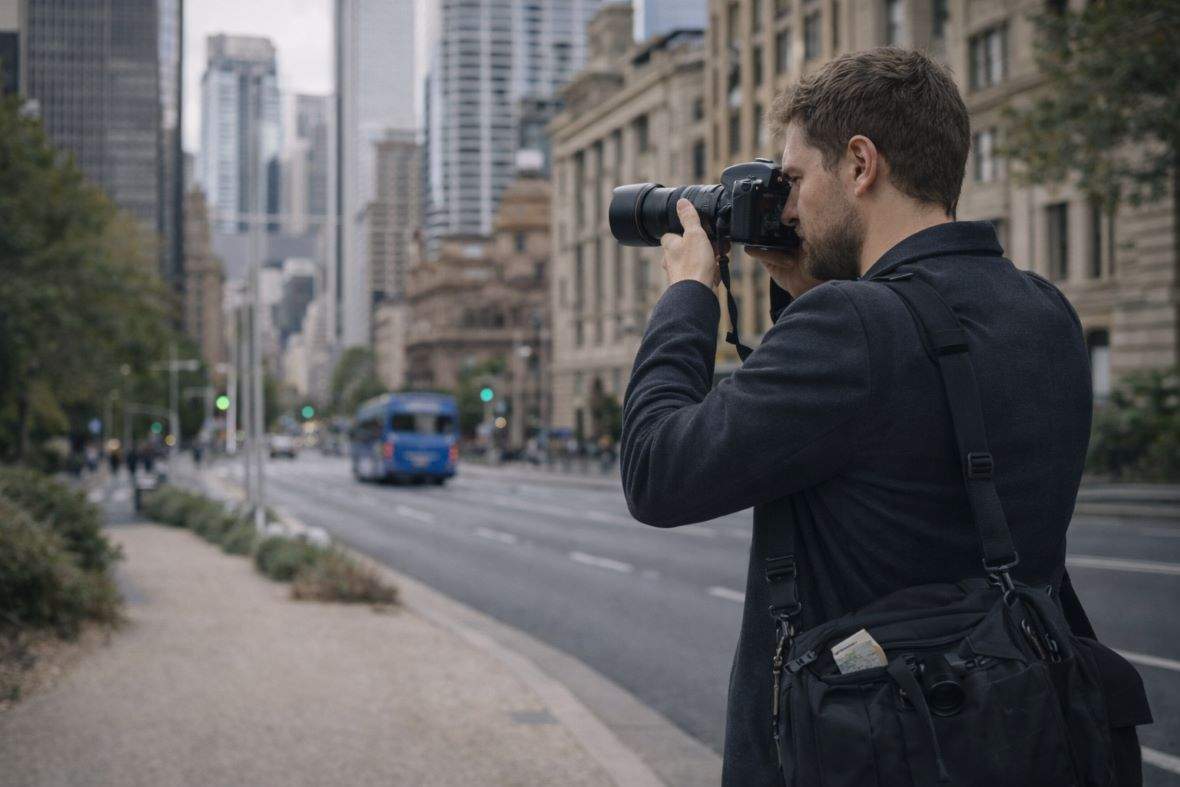
You might use cameras with long lenses, dash cams, and in some settings, body-worn cameras, where lawful and appropriate. A tripod or stable mount can matter as much as the camera, because shaky footage is often useless. Low-light gear (or cameras that handle low light well) is common in evening surveillance, along with settings that preserve accurate color and detail.

Just as important is data handling. You protect evidence with:

  • Time and date accuracy (correct device clocks, consistent timestamps)
  • Secure storage (password protection, encrypted drives where appropriate)
  • Original file preservation (keeping the raw file intact)

GPS can be part of an investigation, but you treat it carefully. In lawful scenarios, tracking may be limited to client-owned assets or situations with clear authority or consent. You avoid “how-to” shortcuts because that’s where people step over the line. If you want a high-level explanation of how tracking is discussed in investigations, see this overview of surveillance GPS tracking for private investigators in Australia.

You may also hear about radio scanners. In practice, you keep this general: you only use communications monitoring where it’s legal, and you document what you can justify.
How Sydney Private Investigators use their equipment during a real case

Sydney Private Investigators: Equipment Used in Modern Investigations. Sydney private investigators using modern investigation equipment and lawful technology to gather evidence and support cases.

Equipment choices vary by job, but the workflow remains similar. You plan, you collect, you protect the record, and you report in a way a client or lawyer can follow.

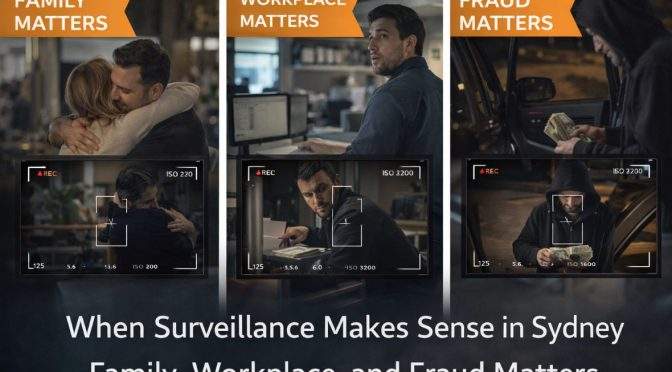
For example, an infidelity matter often focuses on surveillance evidence and clean timelines. A workplace investigation may emphasise interviews, incident logs, and document checks. A missing persons case can require coordinated efforts to locate subjects and photos, as well as careful lead tracking. Process serving often depends on accurate ID, location notes, and proof of service steps. Insurance jobs may focus on consistency, dates, and activity captured with clear context.

You also work under privacy limits in NSW. You don’t treat this as legal advice, but as a reality check: if the method violates privacy or surveillance laws, it can harm the case and the client. Evidence isn’t useful if it’s obtained the wrong way.

For a practical view of how this work is publicly described, compare your expectations with those of Sydney private investigator surveillance services.

Before you start, you plan the job and pick the right tools

You start by scoping what the client needs and what facts would actually answer the question. That keeps the job focused and helps control costs.

Then you do basic checks:

  • Risk and safety: Where are you operating, what are the hazards, and what’s the backup plan?
  • Legal boundaries: What can be recorded, where can you be, and what’s off-limits?
  • Route planning: Entry and exit routes, parking options, and fallback positions.

Before you leave, you test your gear. You charge batteries, clear memory cards, confirm storage space, and set the correct date and time on every device. You also choose equipment that blends in. The best evidence is often collected when you look like you belong.

Good planning reduces mistakes, and mistakes are expensive.

In the field, you balance clear evidence with staying discreet

In the field, you prioritise observation over movement. You position yourself to see what matters, without drawing attention. When something happens, you capture it with a mix of notes and media, because each supports the other. A photo without context can be misleading, and notes without support can be challenged. You also protect the chain of custody in simple ways:

  • You label files consistently (date, time, case reference)
  • You log key moments (start, event, end, location)
  • You keep originals and avoid editing
  • You back up promptly, ideally to separate storage

If you’re working with a team, you use hands-free comms and secure messaging so coordination doesn’t turn into loud calls or risky attention. The point isn’t to be flashy, it’s to be accurate and calm.

Choosing and handling PI equipment so your evidence holds up

If you’re hiring a Sydney private investigator, the most important question isn’t whether they have the latest gadget. It’s whether the evidence will be clear, lawful, and easy to explain. Useful evidence has four traits: clarity, context, timestamps, and a clean record of how it was obtained.

Budget matters too. Sometimes, simple equipment used well produces stronger results than complex gear that’s harder to manage. The best tool is the one an investigator can use correctly, consistently, and safely.

Reliability, data security, and simple habits that protect your case

You protect the work by treating data like cash: you don’t leave it lying around.

That means you manage batteries, carry spares, and use multiple storage options when possible. Use high-quality memory cards, verify files, and avoid overwriting. For security, you control who can access the files, lock devices, and use encryption where appropriate. When transferring evidence to a client or lawyer, you choose secure delivery methods and document what was provided.

You also maintain and check gear. If a camera clock drifts or a lens is dirty, your evidence suffers. Small habits keep the case clean.

One last step helps: ask your investigator how they’ll capture evidence, store it, and deliver it before the work begins.

A clear plan makes everything easier.

FAQ: Equipment Used in Modern Investigations by a Sydney Private Investigator

FAQ: What equipment do Sydney Private Investigators usually bring to a job?


Expect a mix of everyday tools like notebooks and phones, as well as job-specific equipment such as cameras, dash cams, and secure storage. What matters is that each tool has a clear purpose.

FAQ: Can a PI record audio or track a phone?


These methods can cross legal lines quickly. A professional investigator works within NSW and Australian rules and avoids anything that risks illegal interception.

FAQ: How do you know the evidence is real and not edited?


Look for original files, consistent timestamps, and detailed logs that explain when and how evidence was captured and stored.

Arc D